[category]
[title]
The institution has struggled with visitorship and rising costs.


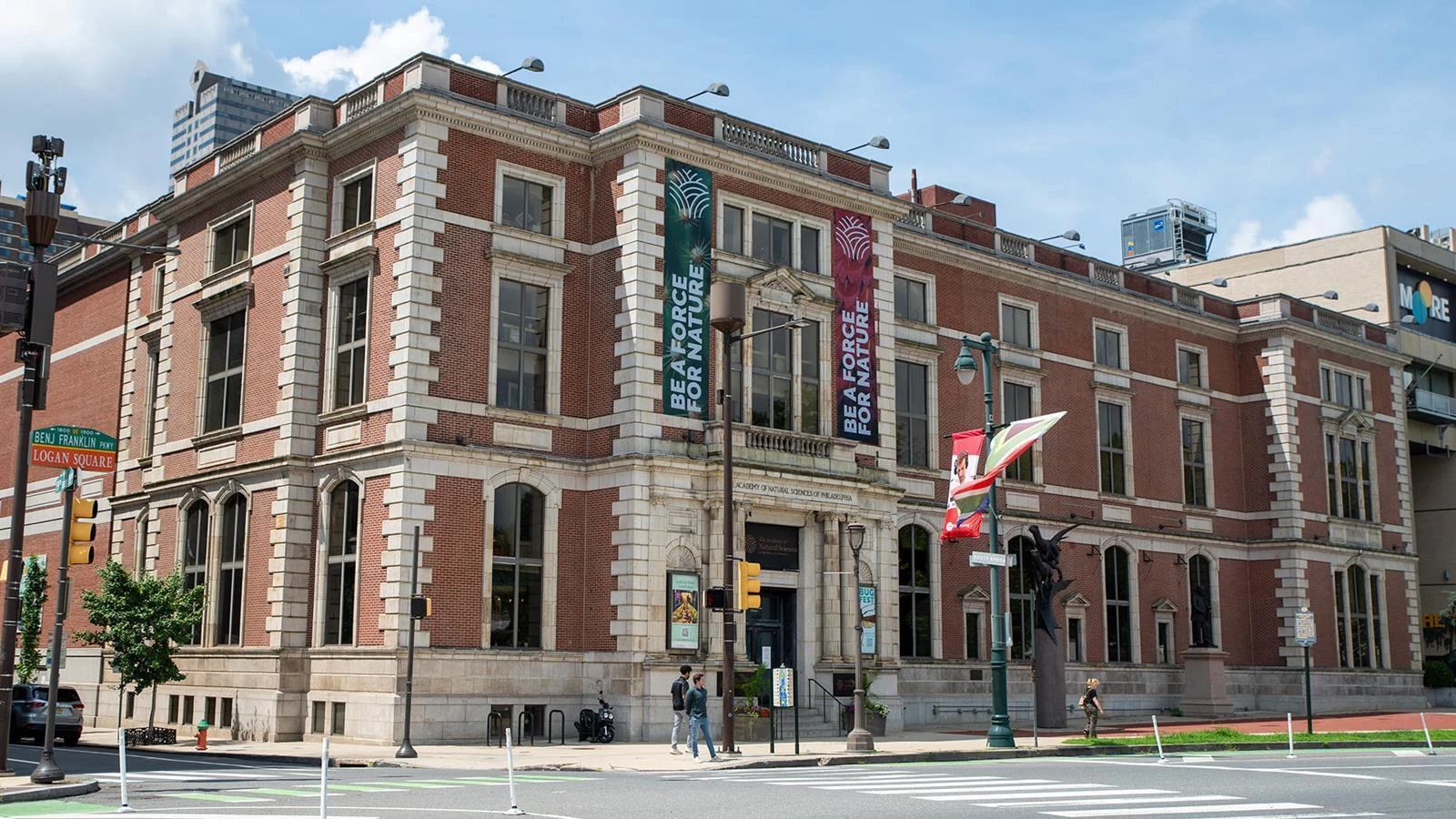
After more than two centuries as a cornerstone of science and education, a Philadelphia institution is turning the page on its public-facing chapter. The Academy of Natural Sciences of Drexel University has announced that it will permanently shut its museum doors at the end of this month.
The museum’s current building will officially close to the public on Wednesday, September 30. Visitors looking to experience the historic dinosaur halls, dioramas and interactive science galleries have until then to make their final visits.
RECOMMENDED: These are the 44 best art museums in the U.S.
According to a statement from Drexel University President Antonio Merlo and Board of Trustees Chair Suzanne Biemiller, the decision stems from a combination of an increase in operational expenses and a significant drop-off in visitorship. Despite recent investments freshening up the galleries, new programming and updated exhibitions, visitor traffic never fully recovered following the COVID-19 pandemic.
Drexel and Academy leaders spent months evaluating alternative financial models to sustain the institution's triple mandate of research, higher education and public exhibition. Ultimately, leadership concluded that continuing to operate the public galleries would put a significant strain on the financial resources required to fulfill the institution’s core mission.
While the public museum is closing, the Academy itself isn't going anywhere. It will pivot its focus toward research, scientific education and its massive collection of scientific artifacts. Its collection contains more than 19 million biological specimens, fossils and historical archives. Scientific teams will continue using the collection to study biodiversity, climate change and environmental science.
While traditional walk-in museum visits are ending, officials note that this closure is "just the first step in the larger project of building a sustainable future." The Academy plans to explore new forms of public engagement and remote education opportunities to share its collections with the world, ensuring its scientific legacy continues long after the museum doors close.
Discover Time Out original video