

[title]
Last Friday, the Landmarks Preservation Commission, local leaders and longtime residents gathered on West 130th Street in Central Harlem to unveil new historic district markers stretching to West 132nd Street, between Malcolm X Boulevard and Adam Clayton Powell Jr. Boulevard. The new signs mark a corridor that has shaped civic leadership, artistic expression and religious life for well over a century.
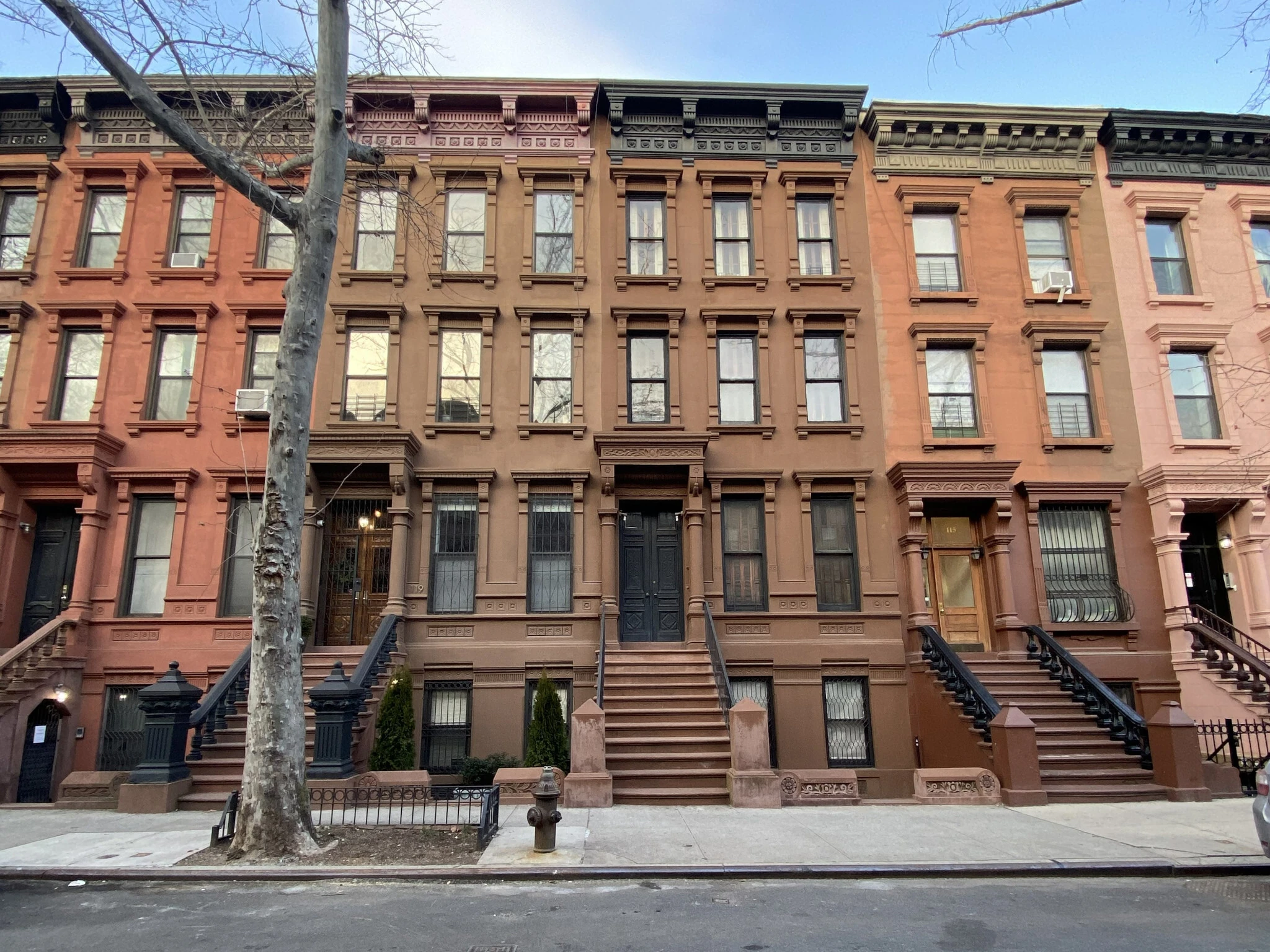
The area was developed in the late 19th century with multi-family rowhouses. It later transitioned from a majority white neighborhood into the largest Black urban community in the country. The neighborhood was home to organizers, activists, artists and religious and civic leaders who played an essential role in the fight for civil rights and social justice.
"If the sidewalks and stoops of Harlem could speak, they would sing. They would tell a story of ragtime and jazz, of tenant meetings and mass marches, of block parties and hard-won victories. They would tell us that Harlem has always been more than a neighborhood; it is a movement. What rises in Harlem can't be contained by its borders—it moves, it organizes, it transforms this city and inspires the world. As we honor Black History Month, and commemorate this historic district, we affirm that Harlem is not just part of New York’s story—it is its beating heart, and its conscience," said Mayor Zohran Kwame Mamdani during the unveiling.
Notable landmarks in the district include the National Headquarters for the 1963 March on Washington, the Friendship Baptist Church, The New Amsterdam Musical Association, The Colored Branch of the YWCA and clubhouse of The Frogs, a beneficial association for Black actors.
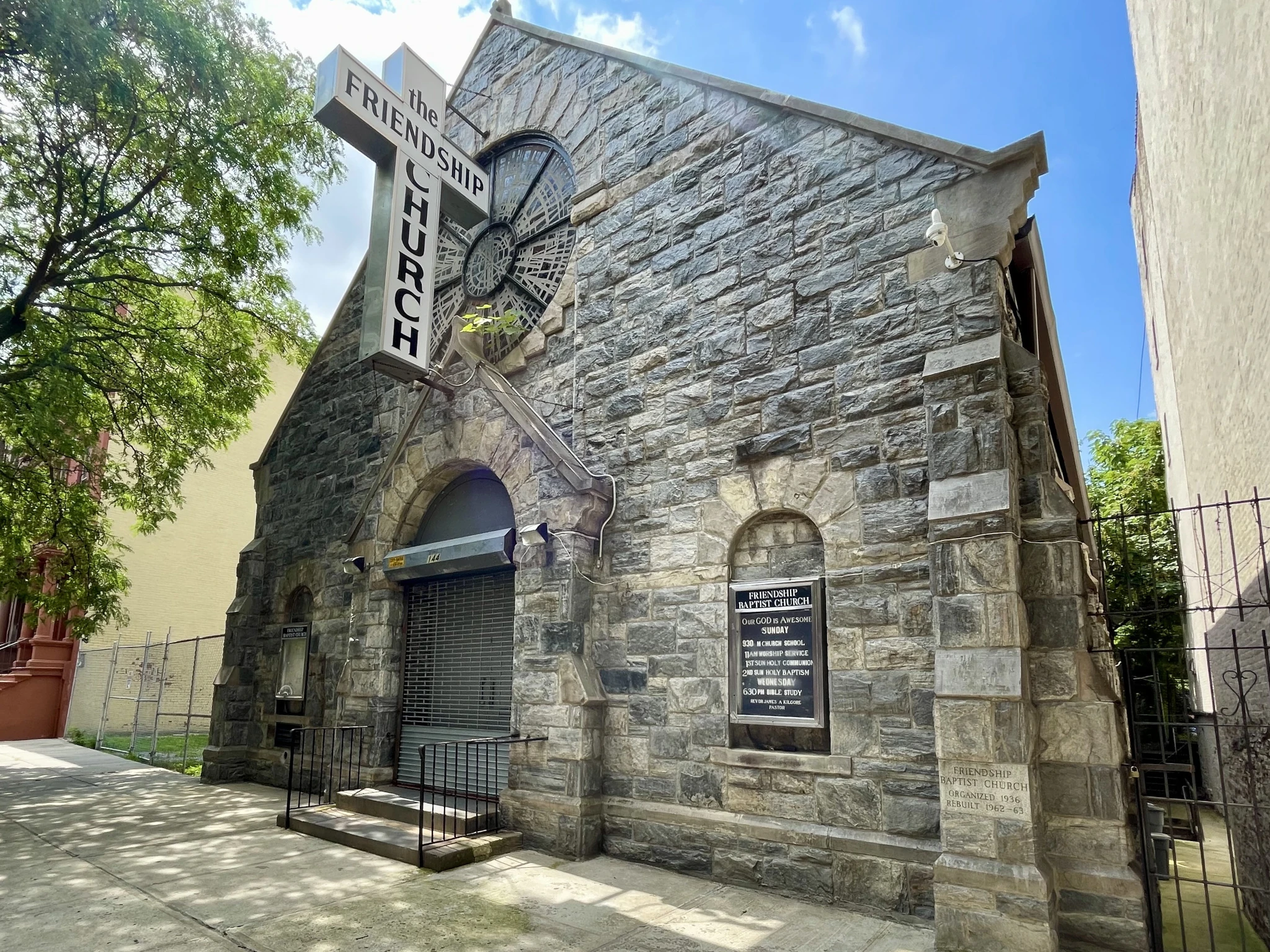
“The Central Harlem–West 130th–132nd Streets Historic District stands as a powerful testament to Harlem’s architectural legacy and the transformative role its Black community played in shaping political and social change across New York and our nation,” said New York State Assemblymember Jordan J.G. Wright during the event. “From the Harlem Renaissance through the Civil Rights Movement, this neighborhood was home to visionary leaders, artists, and institutions—including the National Headquarters for the 1963 March on Washington and Friendship Baptist Church, where Dr. King preached in 1957. As we honor this historic designation, we reaffirm our commitment to preserving Harlem’s rich cultural heritage and the enduring legacy of those who advanced justice, equality, and opportunity for all.”
You can learn more about the Central Harlem–West 130th-132nd Streets Historic District through the LPC's interactive map here.