[category]
[title]
Free trams, cable cars and a Circle Line that’s finally a circle – here are the cities where locals love their commute

Ask anyone stuck on a rammed platform at rush hour and they’ll tell you good public transport is worth its weight in gold. When it works, you barely notice it, but when it doesn’t, it can make or break your day (and your mood).
So, which cities are getting it right? Every year we quiz tens of thousands of people about life where they live, and this time more than 24,000 locals rated their public transport on a scale of one to five, from ‘awful’ to ‘amazing’. Below are the 20 cities where the highest percentage of residents called their buses, trains and trams ‘good’ or ‘amazing’. To keep things truly global, each country gets just one spot on the list, so only its top-scoring city makes the cut.
RECOMMENDED: The world's best cities for cycling in 2026, according to Time Out
🚇 Public transport score: 95 percent
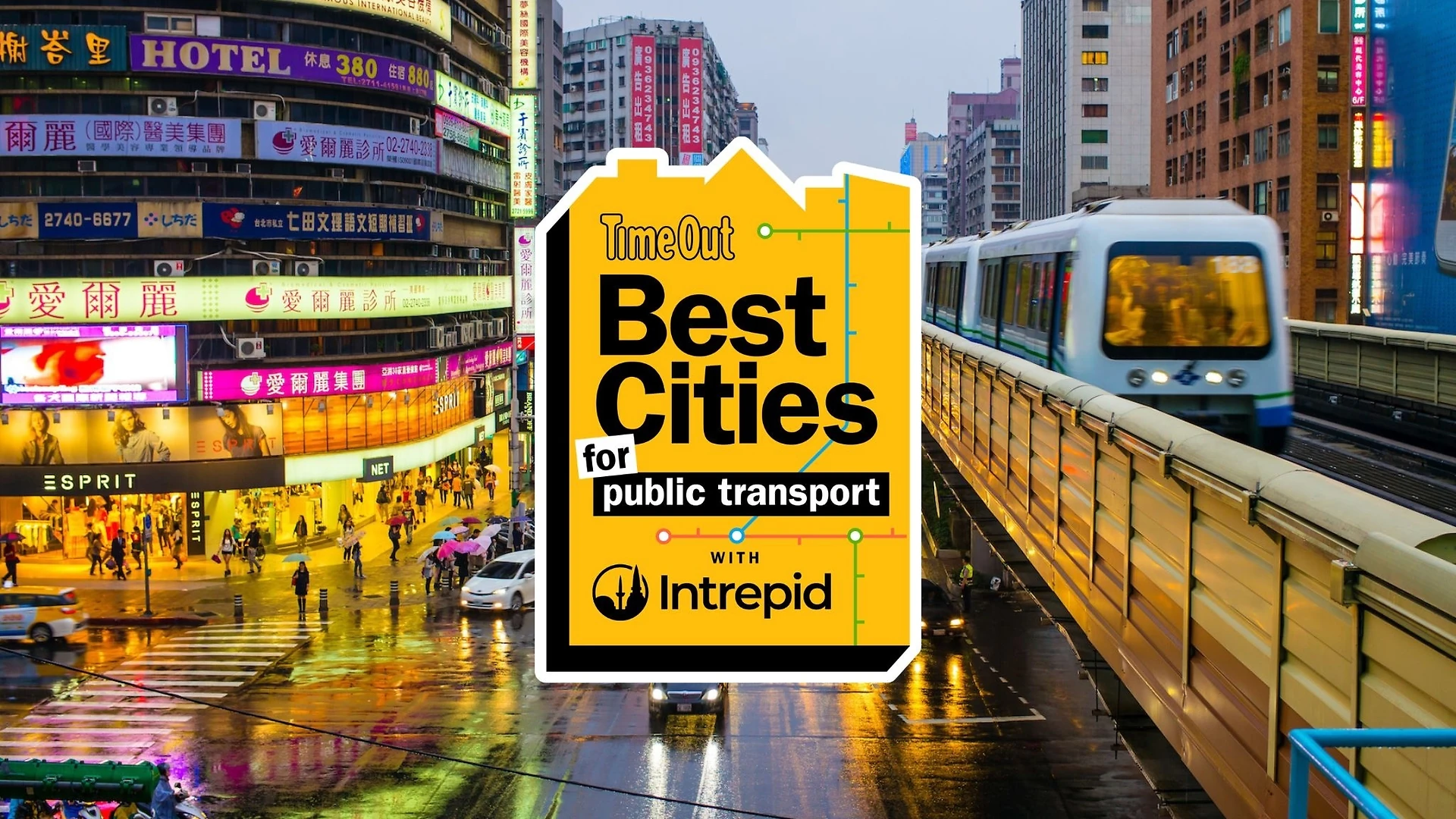
If you have ever squeezed onto a rush hour train, Taipei’s MRT might make you a little jealous. With spotless stations, neat queuing lines painted on the platforms, and trains that turn up when they say they will, Taipei has earned a near-perfect 95 percent approval rating from locals, the highest on our list. It’s no small operation either. The metro carried more than 767 million passengers in 2025, which works out at roughly 2.1 million a day. One EasyCard covers the MRT, buses and YouBike rentals (and your 7-Eleven snacks), and the wider network keeps on growing, with New Taipei’s light rail and Circular Line logging a record 30 million trips last year.
🚇 Public transport score: 93.5 percent
Singapore’s MRT has long been held up as the gold standard of city transit, and 93.5 percent of locals agree. Its 146 stations handle around 3.5 million rides every day, and roughly 99.4 percent of trains ran on time in 2025, according to the Land Transport Authority. This summer also brought a milestone that was more than 30 years in the making. In July 2026, three new stations at Keppel, Cantonment and Prince Edward Road finally closed the loop on the Circle Line. As acting transport minister Jeffrey Siow joked at the opening, ‘people can stop asking LTA why the Circle Line is not a circle’. Cantonment, which sits beneath the old Tanjong Pagar railway station, is worth a detour for its vaulted ceiling and stained glass alone.
🚇 Public transport score: 92.8 percent
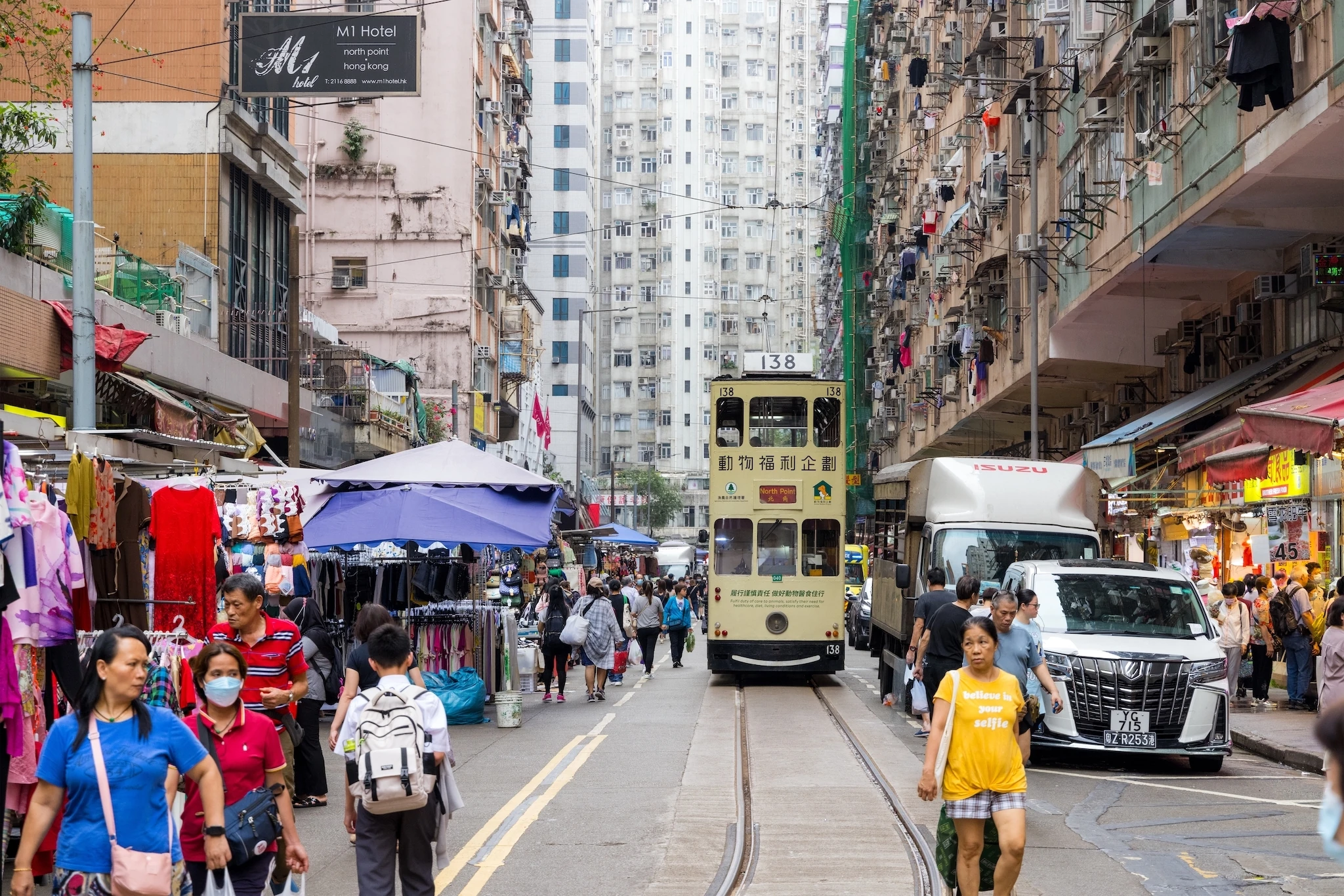
Anyone who has lived in Hong Kong knows the MTR is not so much a metro and more a way of life. In 2025, 99.9 percent of passenger journeys on its heavy rail network were on time, and the system handled almost 2 billion journeys across the year, according to the MTR’s annual results. But the real magic is in the variety. Where else can you step off a high-speed train, hop on a century-old ‘ding ding’ tram and finish with a ride across the harbour on the Star Ferry, all with a single tap of your Octopus card? No wonder 92.8 percent of locals gave it top marks.
🚇 Public transport score: 92.4 percent
Here’s a bit of a plot twist. The UK’s highest-scoring city isn’t London but Edinburgh, which beat the likes of Zurich, Vienna and Seoul with a 92.4 percent approval rating. The Scottish capital’s secret weapon is Lothian Buses, the majority council-owned operator that carried 119 million customer journeys in 2025, while Edinburgh Trams enjoyed a record-breaking year with 12.5 million. The trams had a famously rocky start, but passenger numbers have climbed since the extension to Newhaven through Leith opened in 2023, and you can now tap on with a contactless card and have your fares capped daily or weekly across buses and trams. Not bad for a city of steep hills and cobbles.
🚇 Public transport score: 91.1 percent
Seoul’s sprawling subway is famously slick, with spotless carriages, phone signal underground and fares that start at just 1,550 won (less than £1) with a transport card. It’s also been leading the way on value. In January 2024, the city launched the Climate Card, a 30-day pass offering unlimited subway, bus and Ttareungi bike rides for 62,000 won (around £33). From September 2026, that perk has been folded into the new Climate Pass for residents, but visitors can still pick up short-term passes, lasting between one and seven days. Add the Hangang Bus, a river boat service along the Han, and it’s easy to see why 91.1 percent of locals are fans.
🚇 Public transport score: 90.7 percent
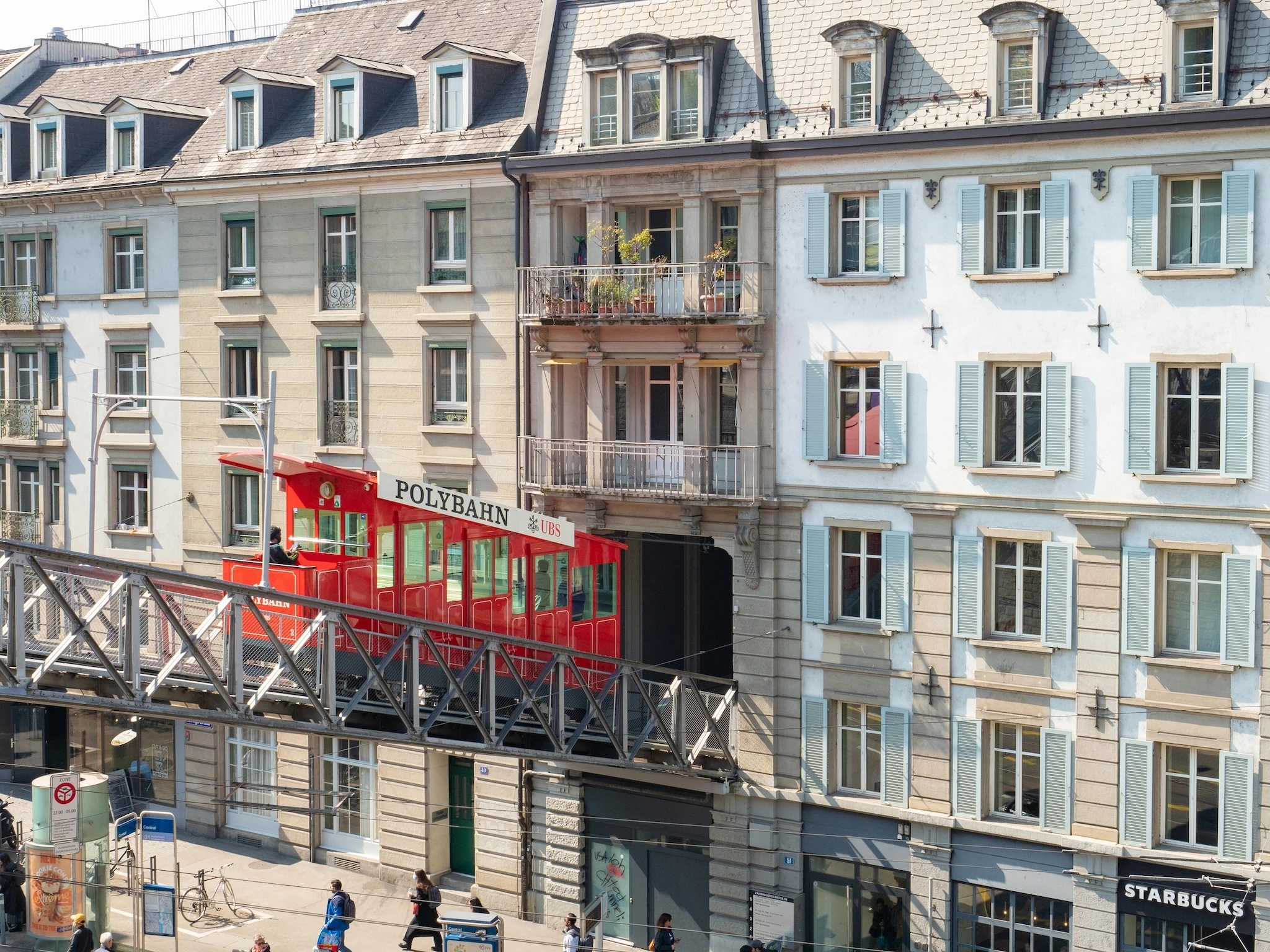
Swiss punctuality is the stuff of legend, but what really sets Zurich apart is how neatly everything fits together. In the city there’s a tram or bus stop roughly every 300 metres, and a single ZVV ticket covers trams, buses, S-Bahn trains, funiculars and even the boats on Lake Zurich and the Limmat. That means a day out can be as simple as taking the S10 up to Uetliberg, the city’s local mountain, in around 25 minutes, then catching a boat down the lake to the Lindt chocolate factory at Kilchberg. Small wonder 90.7 percent of locals rate it so highly.
🚇 Public transport score: 90.3 percent
For 13 years, Vienna’s annual public transport pass cost just €365, or €1 a day, making it something of a poster child for affordable transit across Europe. The price rose to €467 in January 2026, but locals don’t seem too put out, with 90.3 percent still rating the network as good or amazing. Wiener Linien's U-Bahn lines, trams and buses carried 903 million passengers in 2025, and annual pass sign-ups hit a record. Vienna also landed in the top five of Time Out’s best cities for cycling, so you are spoilt for ways to get around.
🚇 Public transport score: 85.3 percent
In 2013, Tallinn became the first European capital to make public transport free for its registered residents, and more than a decade on, the city has stuck with it. Locals simply tap their personal travel card on the city’s buses and trams, and 85.3 percent of the people we surveyed in Tallinn rate the experience as good or amazing. Visitors do still need to pay, but tickets are cheap and the Tallinn Card bundles unlimited public transport with entry to the city’s top attractions. Plus, the medieval Old Town is so compact you may only need a tram to get you there.
🚇 Public transport score: 83.6 percent
In Helsinki, one HSL ticket gets you onto trams, buses, the metro, commuter trains and light rail, and it also covers the year-round ferry to Suomenlinna, the UNESCO-listed sea fortress just 15 minutes from Market Square. That’s a pretty scenic commute by anyone’s standards. The newest addition is light rail line 15, known as Jokeri, which opened in October 2023 about ten months ahead of schedule and links the city’s eastern suburbs with Keilaniemi in neighbouring Espoo. Add trains that cope admirably with the Nordic winter and it’s no surprise 83.6 percent of locals are on board.
🚇 Public transport score: 83 percent
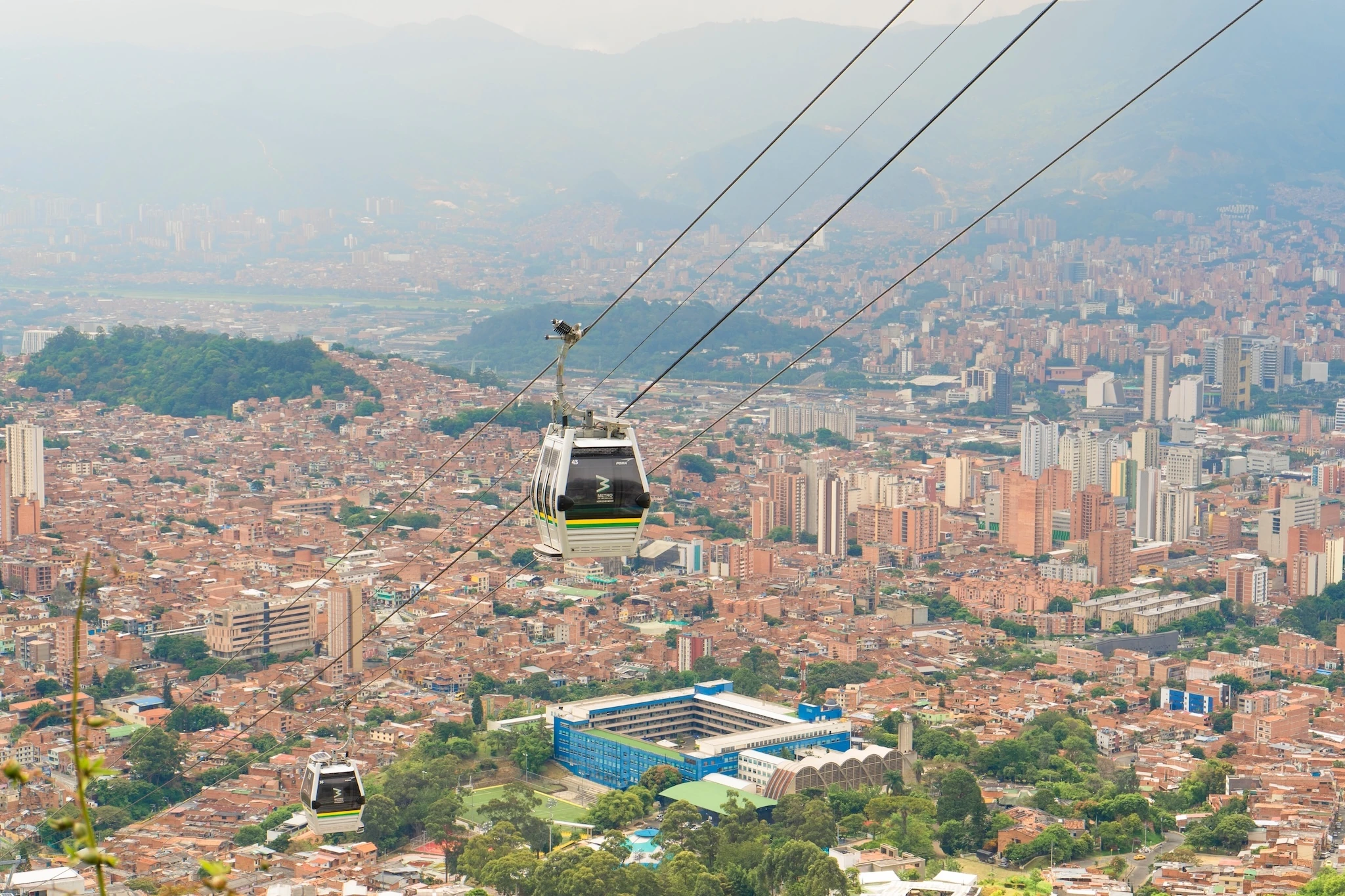
In Medellín, the metro is a source of civic pride. Since it opened in 1995, it has been shaped by ‘Cultura Metro’, a code of courtesy and respect that riders take seriously, keeping stations very clean. But the real showstopper is the Metrocable, a network of cable cars that connects the steep hillside neighbourhoods with the valley below. The first line to Santo Domingo opened in 2004 as one of the world’s first urban cable car systems, and there are now six lines, including one that climbs all the way up to the forests of Parque Arví. The network of trains, cable cars, trams and buses clocked up more than 310 million trips in 2025, and 83 percent of locals rated it highly.
Stay in the loop: sign up to our free Time Out Travel newsletter for all the latest travel news across the world.
Discover Time Out original video