[category]
[title]
From exacerbating an already strained water supply to risking damage to the fragile ruins, here’s why conservationists and indigenous communities are so concerned


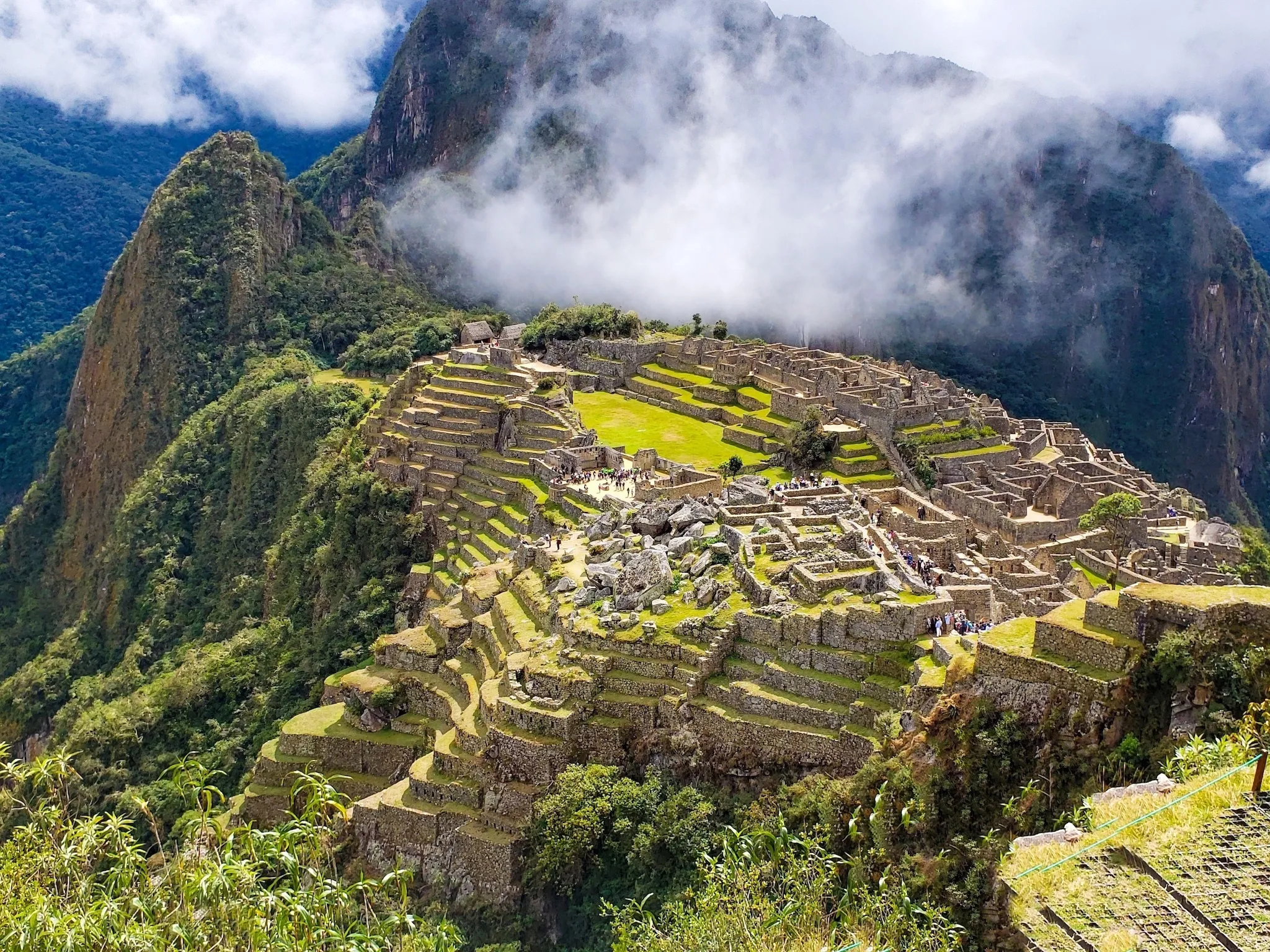
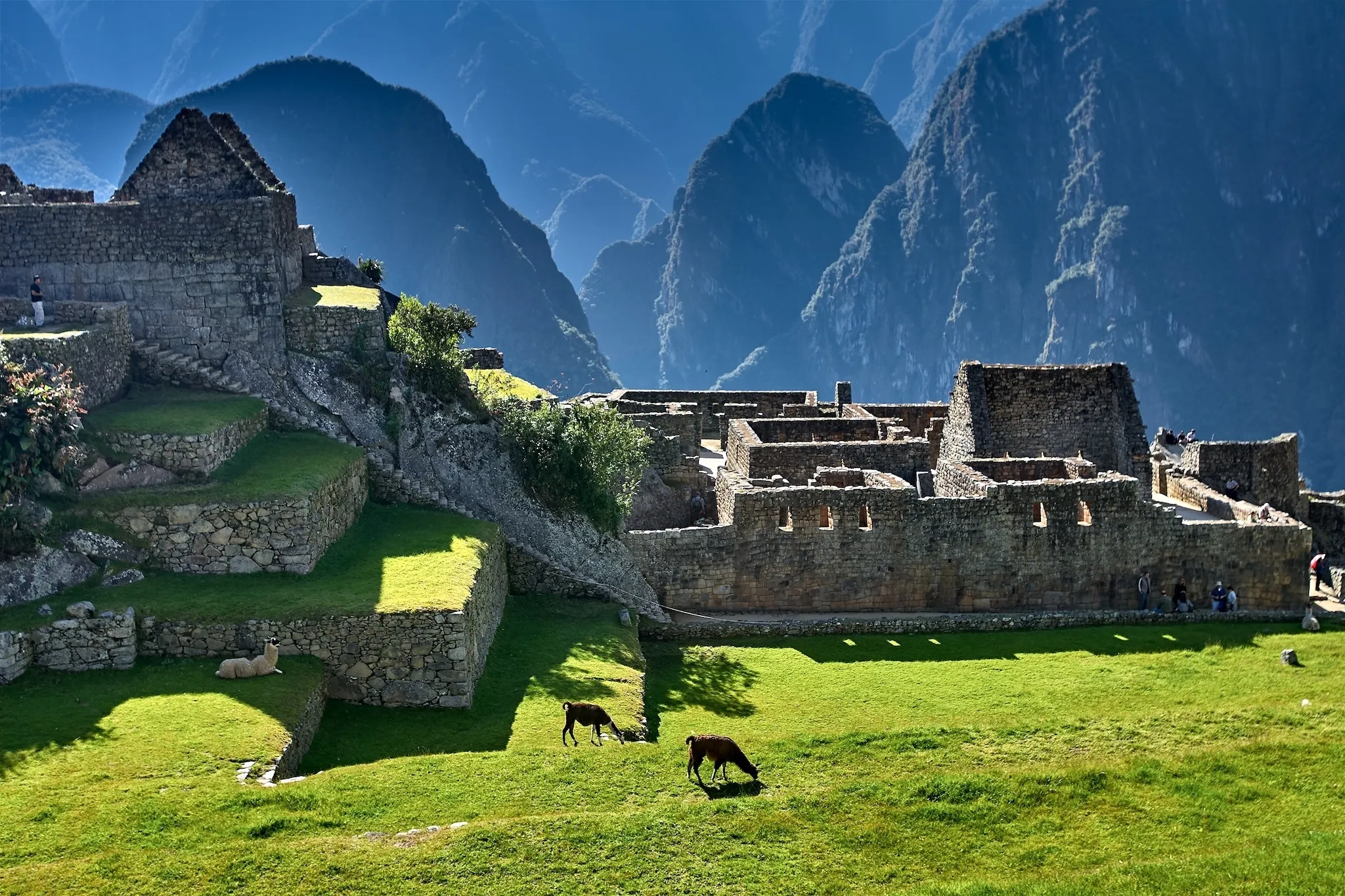
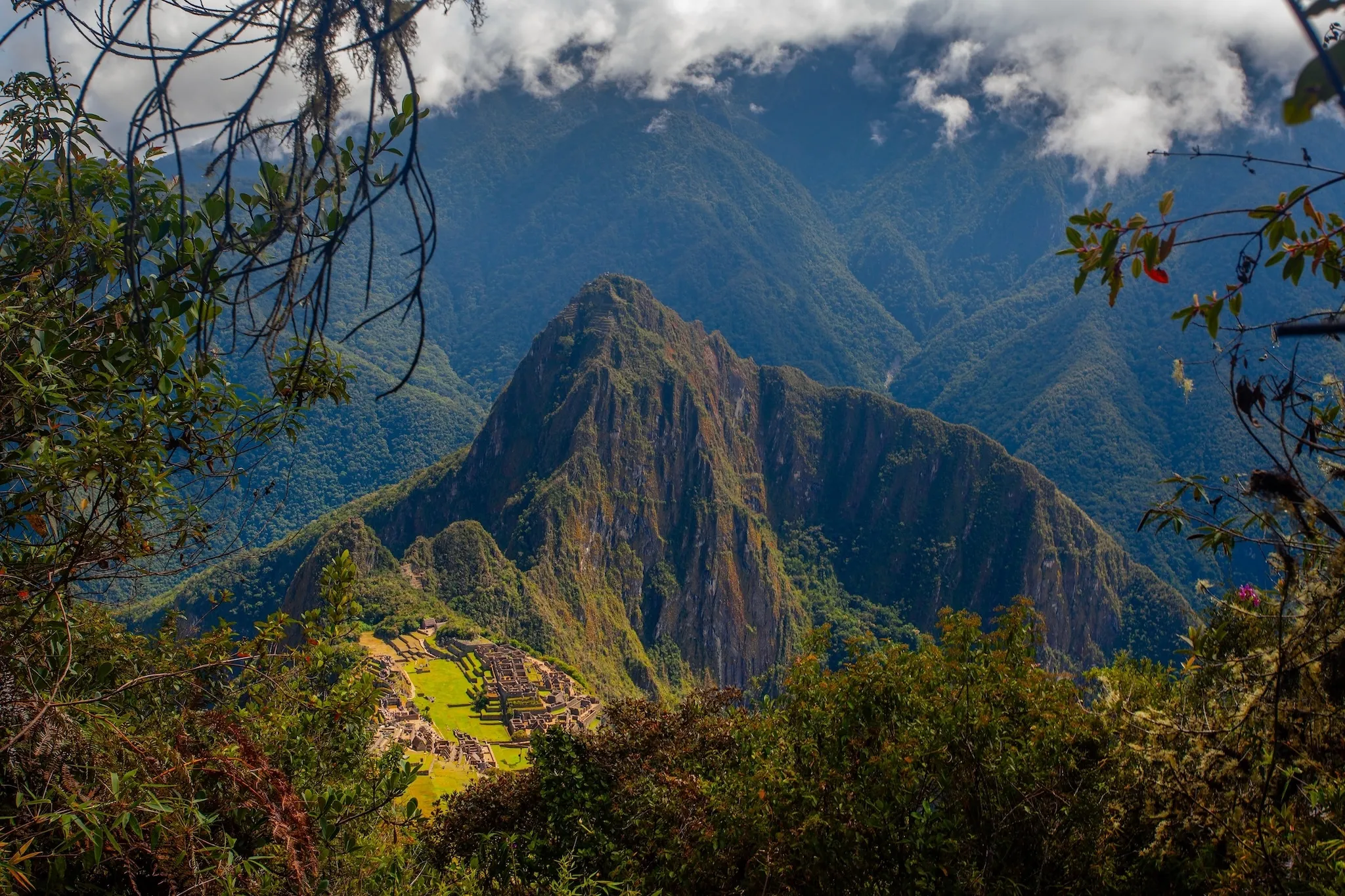
A site atop lots of travellers’ bucket lists is Machu Picchu: it’s one of the new seven wonders of the world, and is a fascinating insight into what was once the planet’s largest empire, after all.
Perched 2,430m above sea level between the Peruvian Andes and the Amazon Basin, the Unesco World Heritage Site (designated as such in 1983) is one of the most impressive architectural achievements ever crafted by humans, and is a testament to the innovative prowess of the Incan civilisation. It was built in the fifteenth century but abandoned after Peru was conquered by Spain in the sixteenth century, and was not known to the rest of the world until 1911.
There’s lots we still don’t know about it, and the role it might have played in Incan society – which is known for its sophisticated astronomical understanding and domestication of wild plants – might permanently remain a mystery. However, this magnificent site is now under threat.
Machu Picchu is Peru’s most popular tourist attraction, but currently it remains relatively remote, accessible either via a domestic flight from Lima to Cusco, followed by a train or bus to Aguas Calientes (which is Machu Picchu Town), plus another bus ride or hike up to the citadel; or as the conclusion to a four-day trek through the Andes.
But that’s about to change drastically when the brand-new Chinchero International Airport opens on the outskirts of Chinchero, a historic Andean City, which would enable travellers to bypass stopping in Lima and Cusco altogether and slash travel time by hours.
Little construction progress has been made so far, and delays due to various corruption scandals and a general lack of funding have stalled progress until now, but according to euronews it’s just been announced that the hub is earmarked for completion in late 2027.
The new airport, designed to accommodate a staggering eight million annual travellers, will mean that visitor numbers to the site could soar by up to 200 percent. Advocates have said it will enhance economic prosperity in the region – which historically has been underdeveloped – by creating construction jobs and new opportunities for tourism-based businesses.
Recommended: ‘Under-40s only’: Why bars in Asia are enforcing maximum age limits.
Conservationists, archeologists and indigenous communities, however, have all raised a long list of legitimate concerns about the environmental impact.
Firstly, because the site already operates with a daily cap (which is double the UNESCO-recommended limit) on the number of visitors allowed in, to protect the ruins’ fragility and mitigate overcrowding. A 200 percent increase in visitor numbers would be enormously detrimental to the site.
Critics have also outlined the problem of having an airport so nearby: planes would pass low over Ollantaytambo and its archeological park, which could potentially lead to the Inca remains being irreversibly damaged. The Sacred Valley, the former heartland of the Incan empire, which is sprinkled with original roads, buildings, salt mines and irrigation structures – many of which are still in use – would also be threatened.
There’s also the issue of the land upon which the airport will be constructed. ‘This is a built landscape; there are terraces and routes which were designed by the Incas,’ said Peruvian art historian at the University of Cambridge Natalia Majluf to the Guardian in 2019, ‘Putting an airport here would destroy it.’
Oh, and did we mention the project will exacerbate an already water-stressed region? Since the airport was announced, the BBC has reported that corn-growing families in Chinchero have been selling off their farmland, as there are fears that airport construction will deplete the Lake Piuray watershed – a water source which supplies half of the city of Cusco.
Waste management systems are overstretched, infrastructure to recycle in the region has never been invested in, and new tourism businesses such as hotels and lodges, as well as significantly higher transport traffic, will alter the region’s character significantly.
We live in a wonderful world, but the gradual degradation of our sites and cities due to pollution and ever-growing visitor numbers poses an all-too-real threat to their future – and proposing to build an airport in such close proximity to Machu Picchu is a prime example.
It impacts the livelihoods of local communities, demonstrating a lack of respect for the significance of the site. Not to mention, making this already-overrun destination more accessible won’t exactly improve the visitor experience.
We’re champions of travelling to lesser-known destinations and doing so as responsibly as possible. Have a look at all the countries that could actually use more tourism this year, and read our roundup of the planet’s most underrated places.
Did you see that one of the world’s most beautiful destinations is seeking volunteers for an all-expenses-paid trip?
Plus: Italy has added 7 new villages to its ‘most beautiful’ list – here’s where to find them.
Stay in the loop: sign up to our free Time Out Travel newsletter for all the latest travel news and best stuff happening across the world.
Discover Time Out original video