[category]
[title]
Translating to ‘house of heat’, the temazcal is a sacred ceremony originating in Mesoamerica. Here’s what happened when writer Hebe Johnson tried it out


I’m curled up on the ground, sweating profusely and reminding myself to breathe. I need to breathe deeply enough to avoid passing out, but not so deeply that I bring on a coughing fit by inhaling the thick, herb-soaked air surrounding me.
Believe it or not, this process is supposed to be healing.
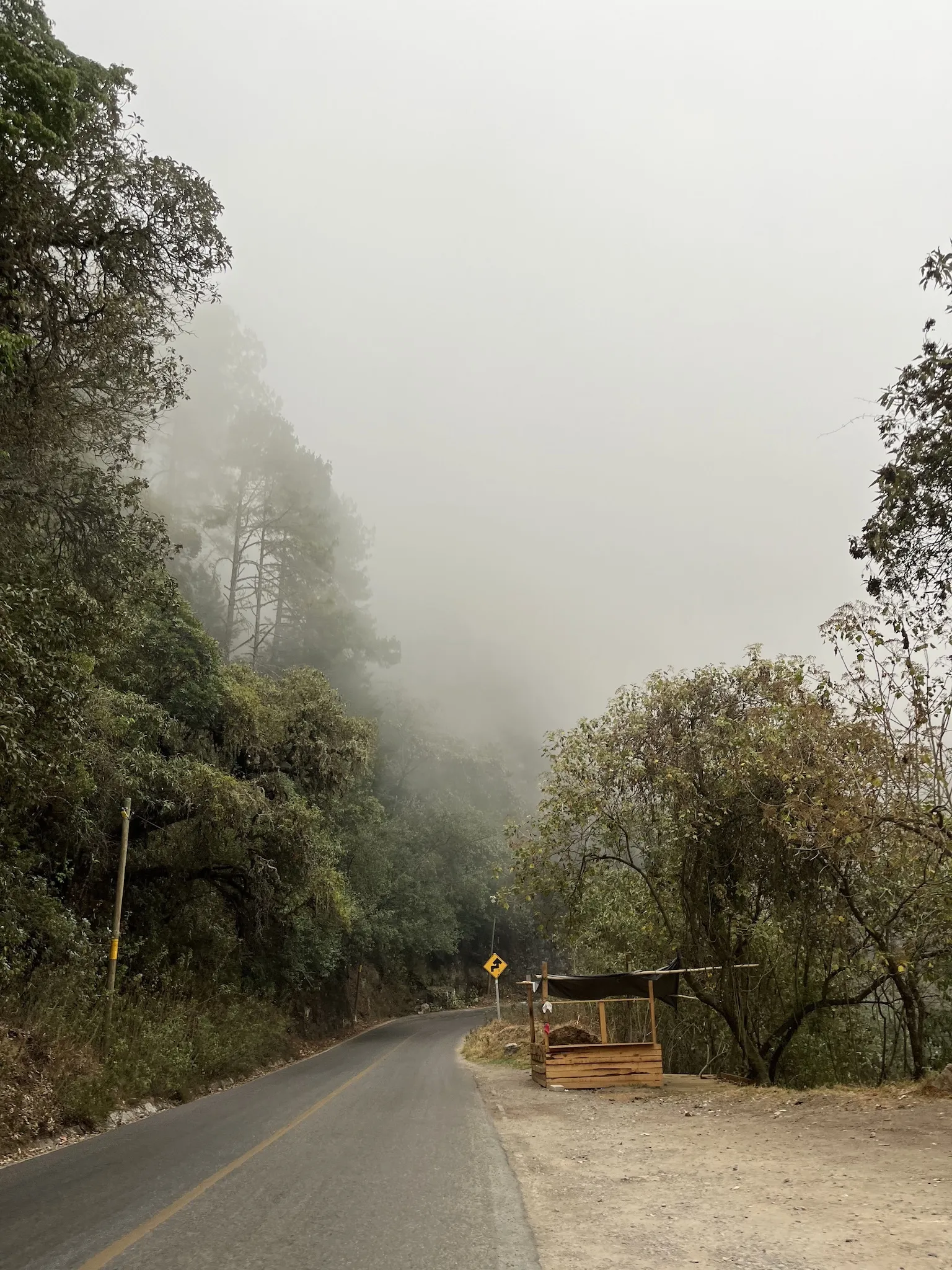
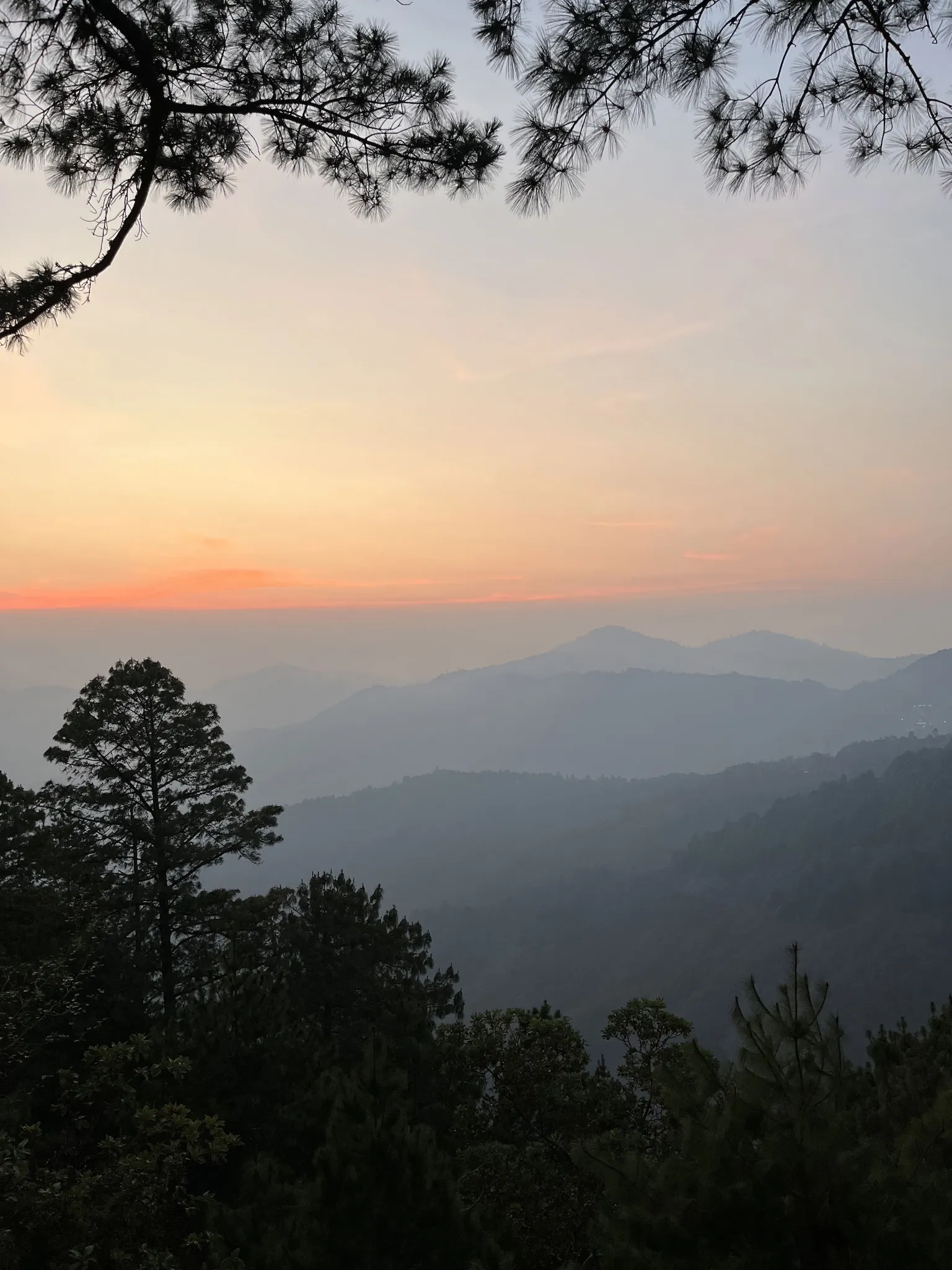
I’m in a temazcal, a kind of spiritual sauna, in San Jose del Pacifico, a small mountainous town located around 2300m above sea level in the state of Oaxaca in Mexico. The temazcal originates in Mesoamerica, which covered much of modern-day Mexico before Spanish colonisation in the sixteenth century. The name ‘temazcal’ comes from Nahuatl, an indigenous language of Mexico, and means ‘house of heat’.
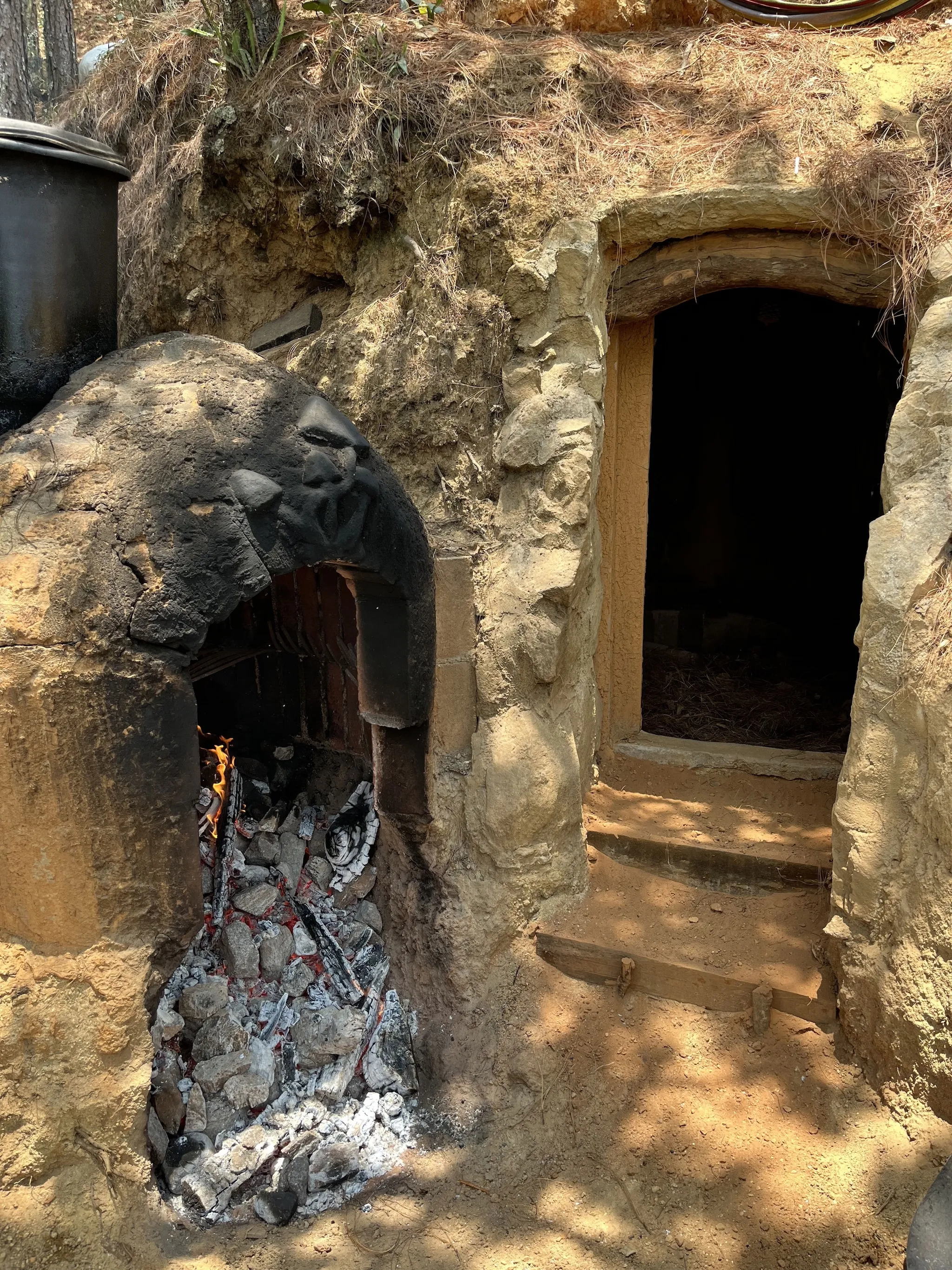
This temazcal is nestled in a pine forest, partially camouflaged by the surrounding foliage, and made from mud bricks and volcanic stone. It’s dome-shaped – fitting, because it represents the womb of Mother Earth, and the ceremony is thought to be a journey of rebirth.
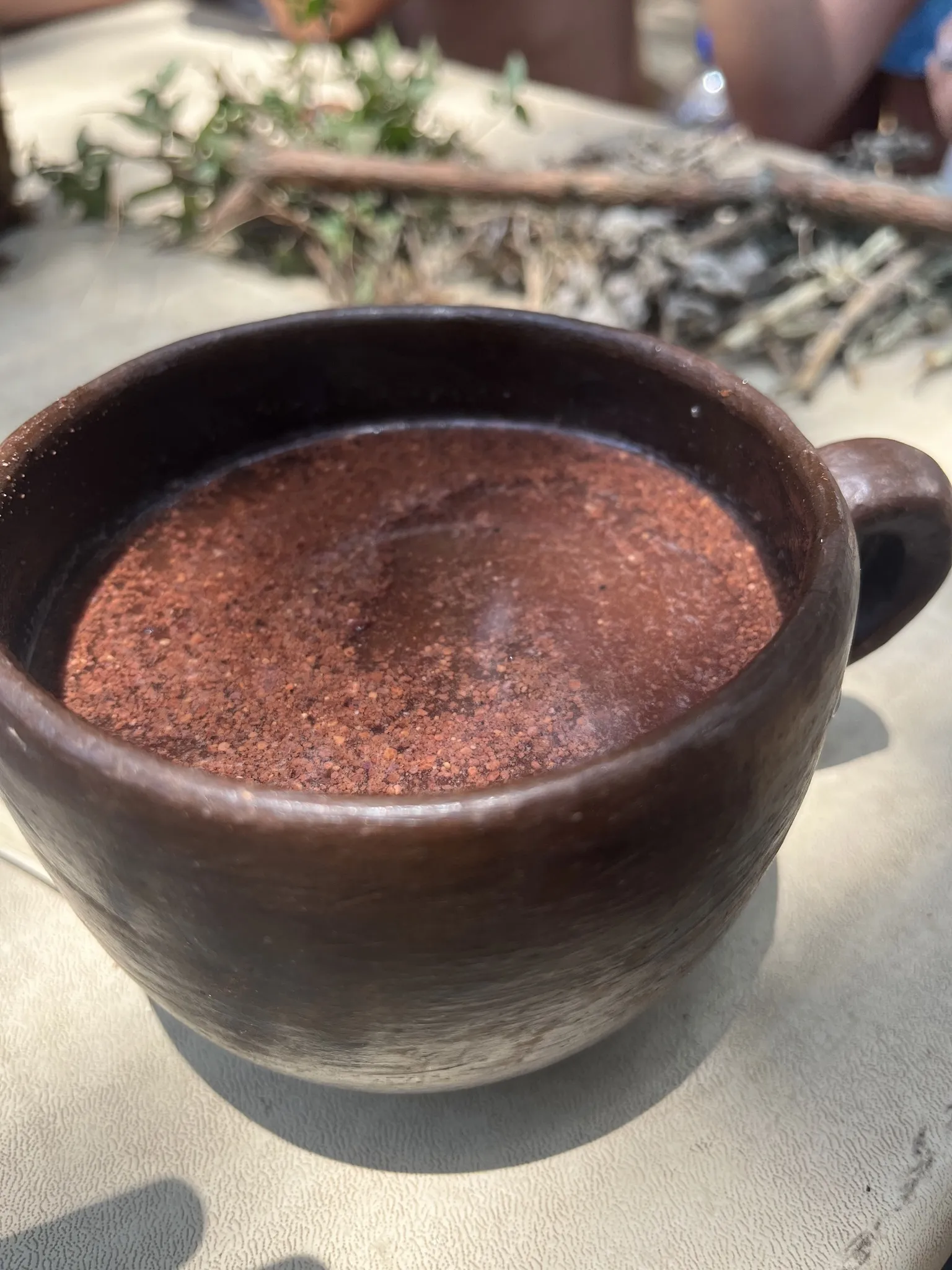
Before the sweating begins, nine other backpackers and I gather around a wooden table for a cacao ceremony. Our ‘shaman’ – a ripped surfer dude from Colorado – tells us about the significance of cacao in indigenous Mexican cultures. Historically, pure cacao was considered a medicine. It was used in rituals to align the mind, body and spirit.
After our shaman pours out the cacao and passes the mugs around, he asks us to set an intention for the session. Some people appear to take this instruction seriously, furrowing their brows. Others, less so. One Aussie guy, distracted by how good the cacao tastes, downs the whole mug in one go.
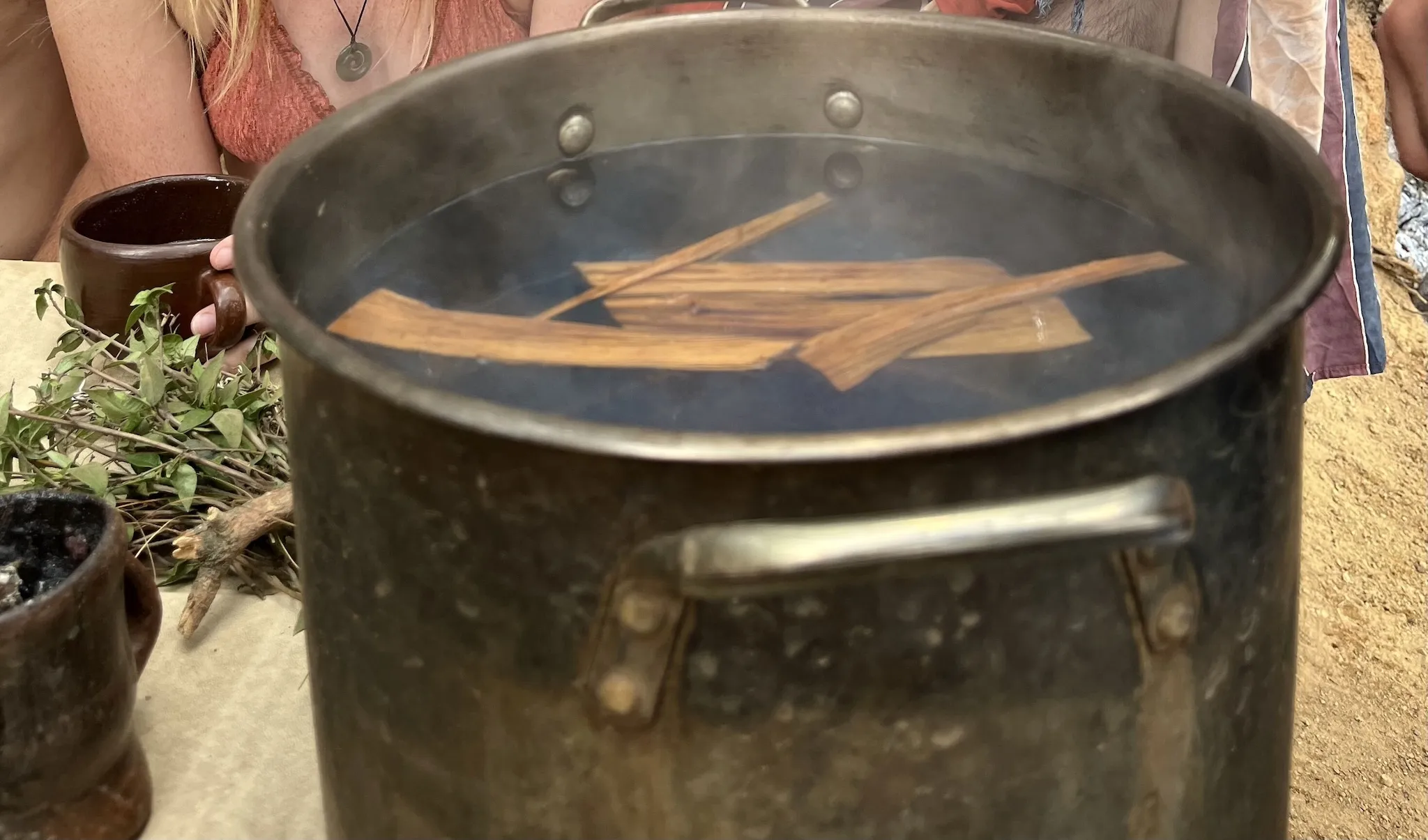
As the rest of us drink our cacao – and the Aussie eyes our mugs enviously – the shaman mixes together medicinal herbs in a big pot, which will be poured onto hot stones inside the temazcal to create a dense steam.
The concoction includes chamomile for its calming effects, sage for its spiritual cleansing properties and – evoking a few giggles from the group – cannabis, for its medicinal powers. Once the mixture is ready, the ceremony begins.
We file into the temazcal and once everyone is settled, our shaman closes the door. Darkness engulfs us and I’m immediately gripped by panic. Somehow, I’d forgotten that I have a lifelong fear of small enclosed spaces. And, perhaps unsurprisingly, sitting thigh to thigh with virtual strangers in the pitch black, surrounded by warm air, turns out to be quite triggering.
‘Wait!’ I shout, almost involuntarily. The shaman, probably fairly used to people freaking out at this part, opens the door again and I explain my panic.
He advises that I sit at the edge, closest to the door, so I swap seats with someone. He also says the air gets hotter and thicker the higher up you are. Knowing there are no prizes for temazcal ceremonies, I sit on the floor.
The person next to me, a Quebecan woman I met 15 minutes ago, senses my panic. She reaches down and takes my hand. This small gesture of kindness makes tears spring to my eyes. I hold on tightly.
The ceremony is broken down into four 20-minute stages or ‘puertas’ (doors), each focusing on a different element – earth, water, air and fire. Throughout the ceremony, our shaman relates each element to a different stage or aspect of our lives.
‘Darkness engulfs us and I’m immediately gripped by panic’
The first element, earth, represents our connection to our physical body and ancestors. Next is water, which focuses on our emotional selves. Like water, we must learn to flow and adapt. The third stage, air, focuses on mental clarity. We’re encouraged to examine our thought patterns and beliefs. The last stage is fire, which is also when the temazcal is at its hottest and most intense. This represents rebirth and new beginnings.
During the first section, I’m constantly on the verge of a panic attack. I find myself getting lower and lower, until I’m curled up in a foetal position, which, again, feels appropriate to the whole rebirth theme.
Almost instinctively, I find the towel that was stuffed into the gap at the bottom of the door and pull at it, letting in a whisper of light and fresh air. I gulp this in gratefully and my heart rate slows.
But the shaman clearly senses the tiny draught. He silently reaches over and pushes the towel back into place. I start counting, in the mad hope it will make time pass more quickly.
After 20 minutes, we can finally leave the temazcal for our first break. We’re told to refresh with a cold shower, but I take the shaman aside to seek advice.
‘I’m finding it really difficult, like I’m constantly about to stop breathing,’ I tell him. I’m expecting sympathy and comfort, perhaps some spiritual advice.
Instead, he smiles at me, tucks a strand of glossy hair behind his ear and shrugs: ‘Winners never quit and quitters never win.’
Sage advice, and I’m no quitter. Now I have to go back in. I take a deep breath and steel myself.
When the shaman begins speaking about the second element, water, I really focus on my breathing. I also realise that if I cover my eyes with my hands, I feel like I’m in control of the darkness, which makes things a little easier.
Recommended: I went inside the Great Pyramid of Giza – it was magical, but I’d never do it again
I’m concentrating so hard on not having some kind of nervous breakdown that I don’t catch much of the shaman’s talk, although I know it’s about maintaining control of your emotional self. Funny that.
Focusing makes time go faster, and before I know it, it’s time for our second break. The cool mountain air is welcome, and I let my skin become ice cold beneath the shower in preparation for the heat of the temazcal. When it’s time to go back inside, the pit of dread in my stomach has been replaced by something else. Unease? Concern? Whatever it is, although still unpleasant, feels much more manageable.
This time, I actually listen to what the shaman is saying. He’s encouraging us to really examine our thoughts and make conscious choices about those we hold onto and those we don’t.
I think about how I consciously chose to ignore the thoughts that told me to run as far away as possible from the temazcal, and I start to feel something new. Pride.
Before the fourth and final segment, we’re given honey and cacao to lather ourselves with. Some nearby wasps must have smelt us, thinking they’d hit the jackpot, because soon we’re surrounded and all of the deep, spiritual lessons fall to the wayside. We run around, squealing and shrieking, whilst the shaman tries to regain control.
Back inside the temazcal, just before the shaman closes the door for the last time, I see the Aussie take a furtive glance around before licking some of the honey-cacao mix from his arm. I stifle a laugh.
The last segment is about fire, the element that propels growth and change. Fire, our shaman tells us, burns away fear, allowing us to be rebirthed. A pretty apt summary of my temazcal experience, I’d say. After the last section, we don’t need the cold shower, because the heavens open. Steam rises from our hot, sweaty skin and we catch the raindrops on our tongues, laughing almost deliriously as the adrenaline leaves our bodies.
For me, the emotional release of this moment is mostly relief. I can’t quite believe I managed the full 80 minutes, especially given how I felt after the first 20. I guess I do feel born again, in a way. It’s mostly a feeling of overcoming the challenge. I wouldn’t ever do it again, but I’m proud to have managed it this time.
Stay in the loop: sign up to our free Time Out Travel newsletter for all the latest travel news and best stuff happening across the world.
Discover Time Out original video