[category]
[title]
Yippee-ki-yay! Steven E de Souza sorts the ‘Die Hards’ from the try hards



With the holidays here, thoughts naturally turn to the true meaning of Christmas: how a grizzled New York cop can save a bunch of hostages – including his estranged wife – from terrorists who’ve taken over a Los Angeles skyscraper. But what about the films that cinemas’s finest action movie inspired? In the spirit of the season, we asked Die Hard screenwriter Steven E de Souza to separate the true McClanes from the McLames...
‘Long before the Die Hard Singularity™ occurred on October 23, 2000 – the day a producer asked me to write a script they described as ‘Die Hard… in a building!’ – the ‘Die Hard in a [blank]’ has come to mean a subgenre of film in which a lone underdog hero fights overwhelming odds in a confined space, with time running out and innocent lives in the balance: in short, your classic three Aristotelian Unities of Time, Place, and Action, as promulgated in 1514 by Gian Giorgio Trissino (1478–1550) when he wrote: ‘Molti esplosioni e bang bang significano molti profitti e fortuna!’
By dint of my screenwriting services on the first two Die Hards, Time Out has asked me to weigh on the ‘Die Hard-iness’ of some of the better-known examples. In keeping with the assignment, they will be graded on a scale of 1-5 Twinkies (Sergeant Al Powell’s favourite snack).
To avoid any presumption of bias, I will be judging on originality of plot, hero, villain, and venue, rather than how well they stack up to the admittedly impossible standard set by my own two ventures into the field.
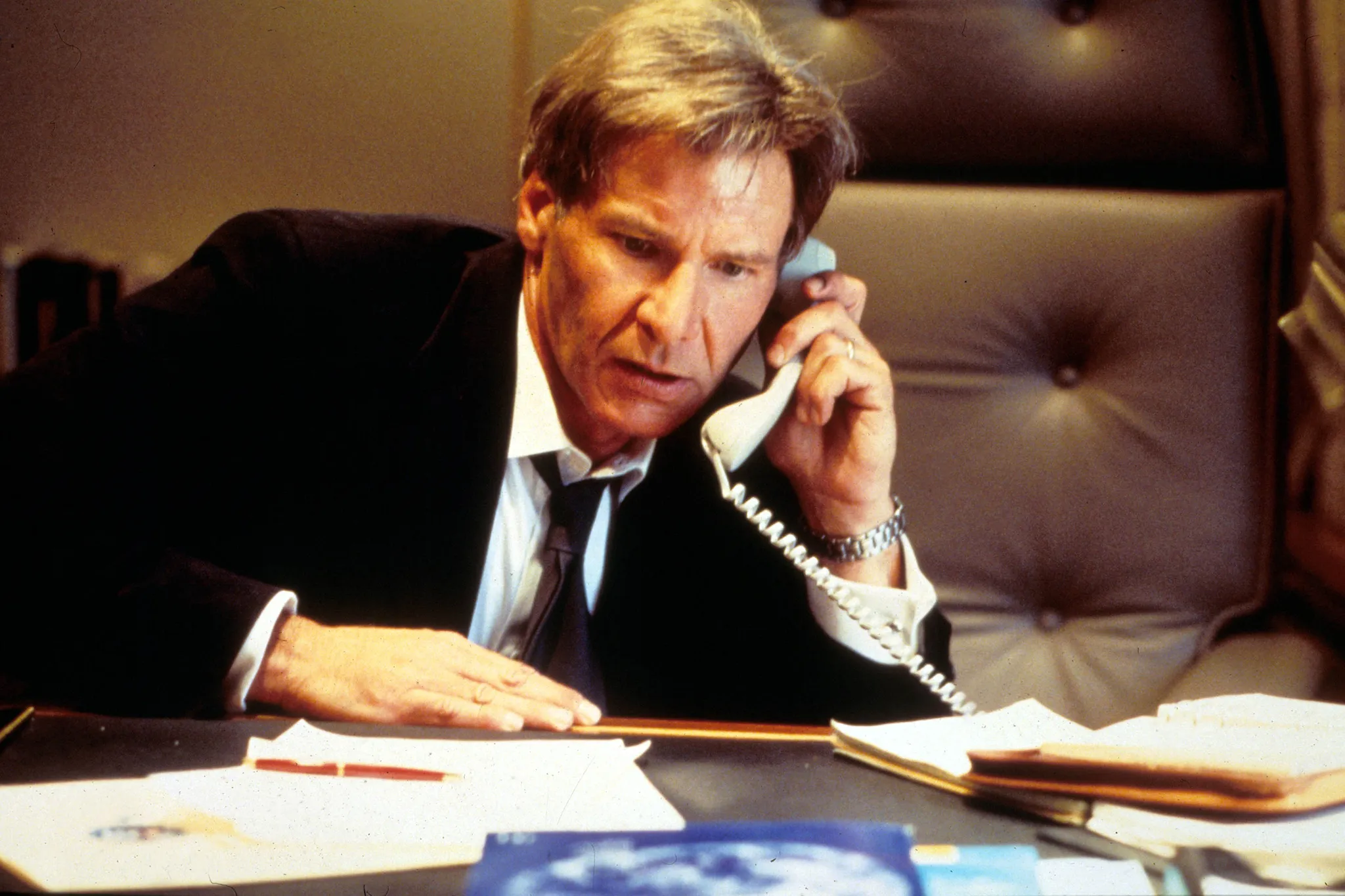
In addition to upping the (literal) speed of Sandra Bullock’s bus, Die Hard’s claustrophobia goes from 34 stories to the mere two of a Boeing 747, and Alan Rickman’s Hans Gruber gets a worthy successor in accented villainy in his fellow countryman Gary Oldman’s Ivan Korshunov. I could nitpick that the depiction of the President as a decorated combat veteran undermines the underdog paradigm of Bruce Willis’ beat cop, but, c’mon – Harrison Ford can do no wrong, plus he saved my life during the Palisades fire when the police were evacuating him and he said: ‘Back the car up, we just passed some idiot in his bathrobe using a garden hose on his roof.’
Rating: 5 Twinkies
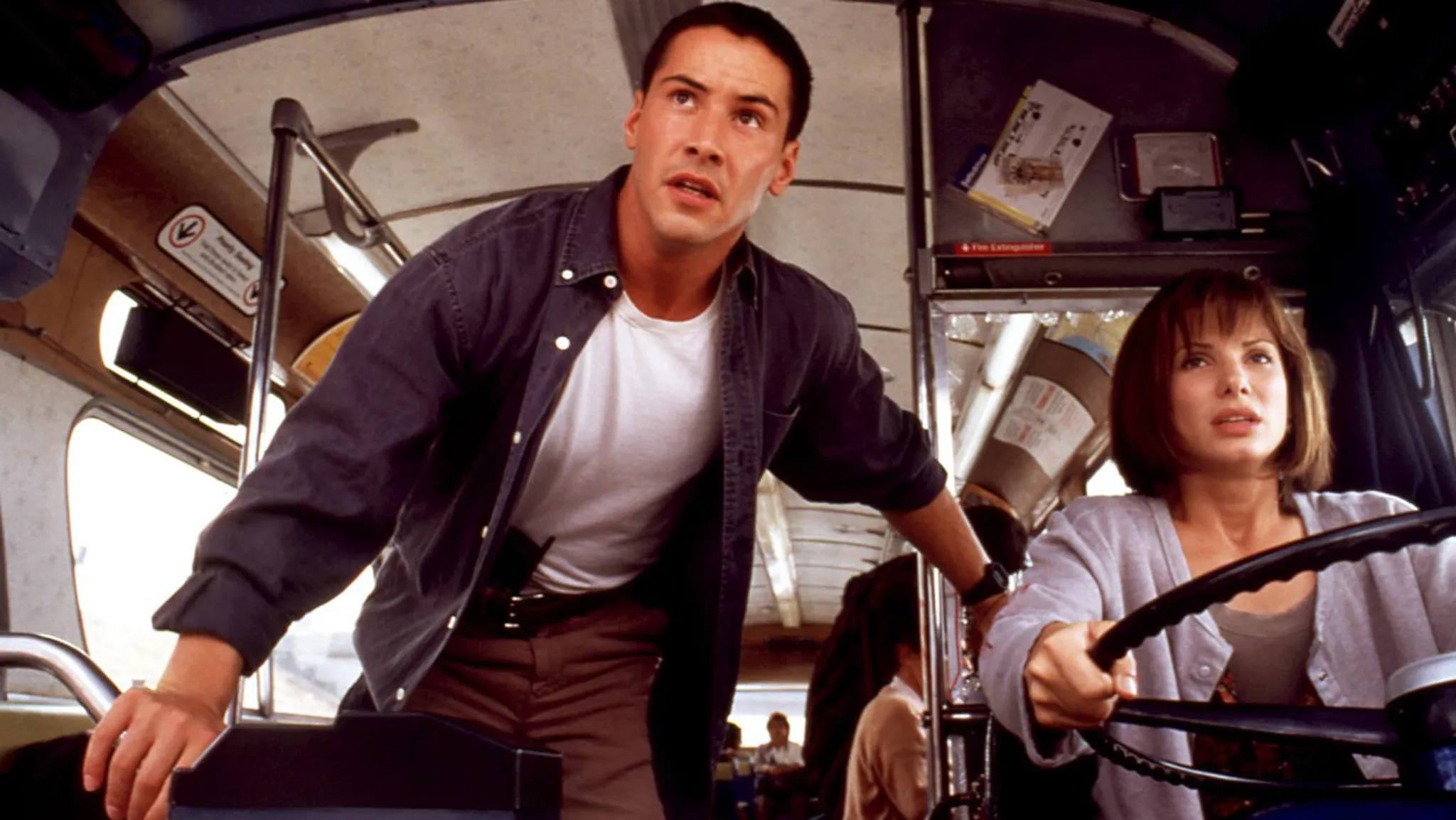
Keanu Reeves follows in Bruce Willis’s barefoot steps as a hero whose everyman physique is a contrast and even rebuke of the muscle-bound specimens seen previously as mandatory in action films. Sandra Bullock is similarly refreshing, a girl next door who not only isn’t a bimbo, but even brings a skill set (driving stick shift) to the table. Above all, choosing a rapidly moving form of transportation for the ‘in a [blank] instead of an immobile building is an inspired choice, bound to have a galvanising effect on the narrative. The villain driven mad by revenge – the low hanging fruit of bad guy motivations – is the one element that deducts from a perfect score.
Rating: 4.5 Twinkies
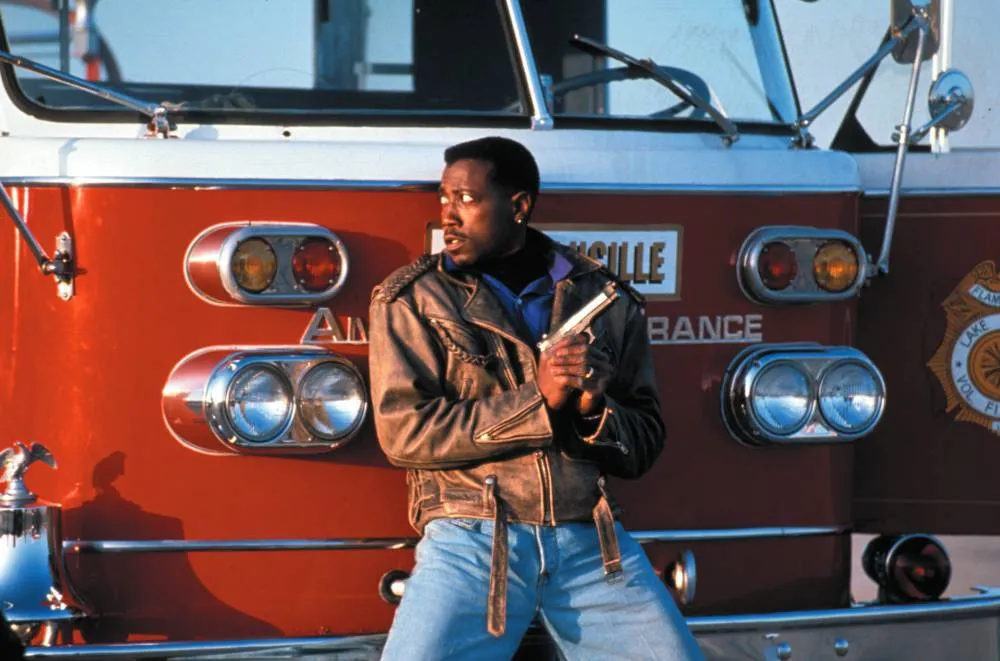
One of the earliest entries, and one of the best: Unlike Bruce Willis’ ‘wrong guy in the wrong place’, Wesley Snipes’ airline security expert hero is a little-too-on-the-nose for an airline emergency, and the British villain (a bemulleted Bruce Payne) a little-too-on-the-Hans-Gruber-nose as an opponent, but the greatly compressed field of combat and time frame – 1200 square feet of airplane versus 34 floors of office building, and five hours of flight versus Die Hard’s overnight siege – adds enough tension to mitigate these minor deviations from the model. If only the awesome, gripping and astonishingly profound Die Hard 2: Die Harder hadn’t done the airplane thing first, this would be a fiver.
Rating: 4 Twinkies
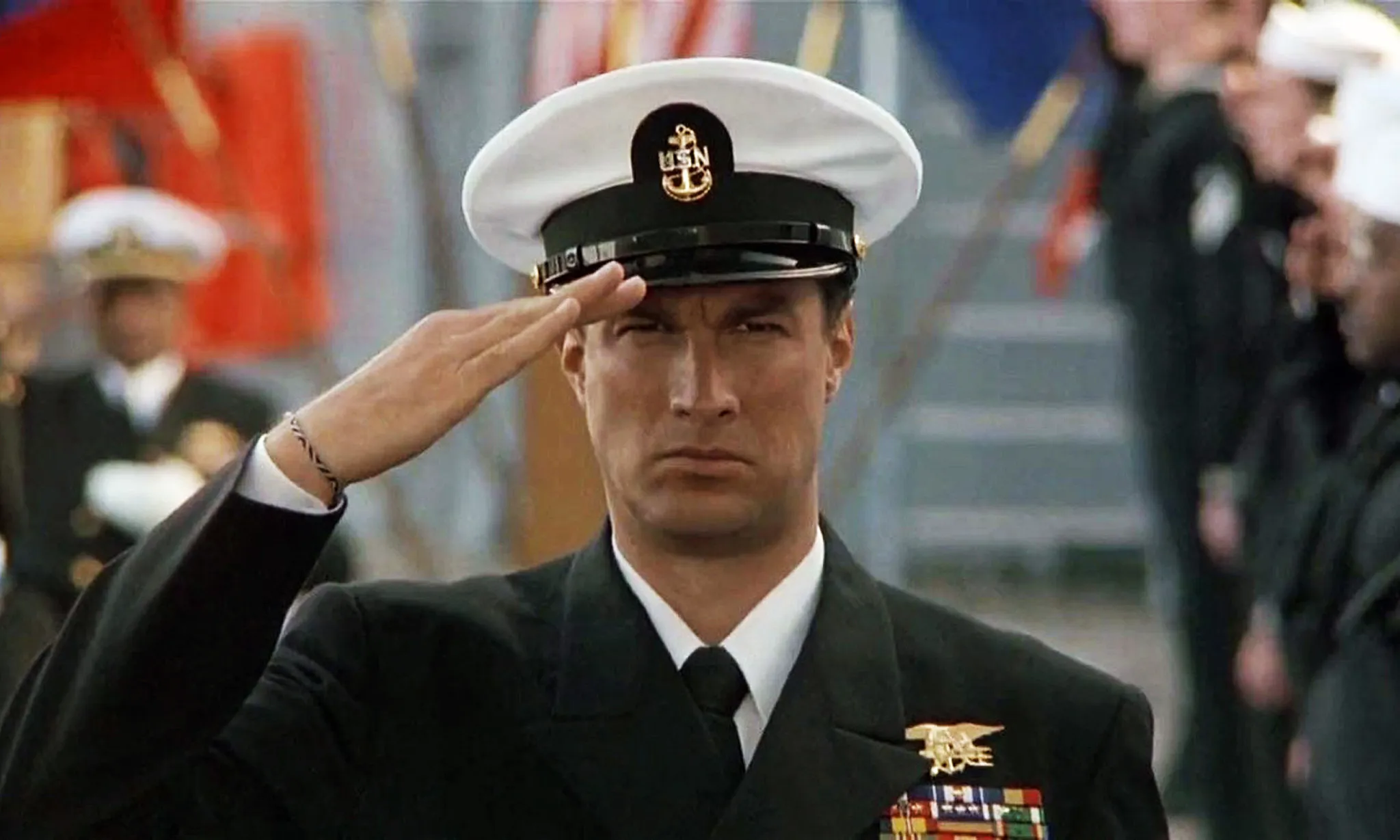
With raised stakes (Tomahawk missiles), world peace itself is held hostage – not just three dozen partygoers. The hero gets an upgrade, too: Steven Seagal’s Navy Seal flouts the usual overmatched hero of the genre, and his adversaries get an upgrade of their own to restore the underdog balance, along with a battleship to up the ante. The overqualified hero deducts points, but I’ll spot one Twinkie for Erika Eleniak’s memorable entrance via layer cake.
Rating: 4 Twinkies
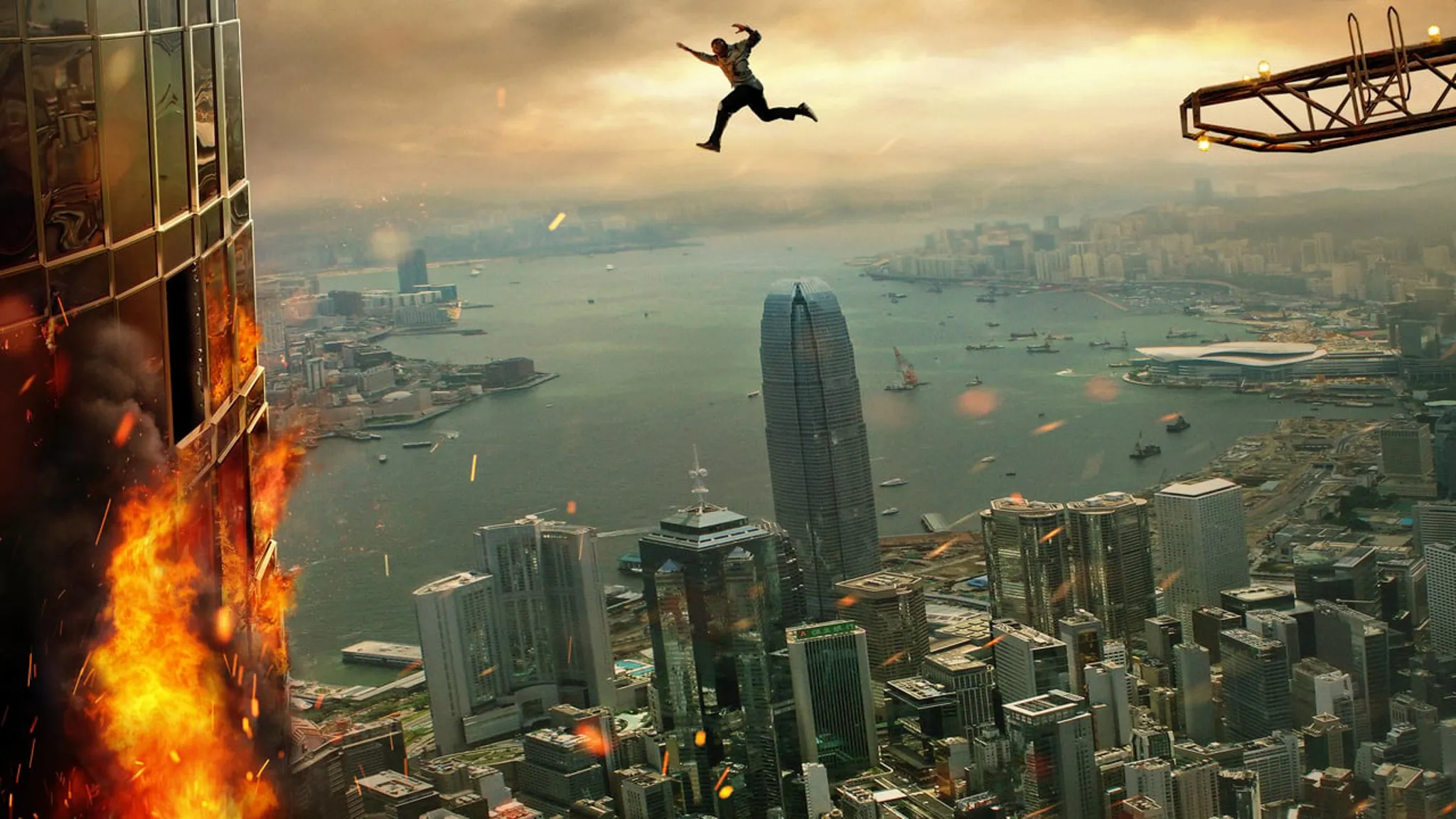
Die Hard’s 1976 source novel was inspired by a dream that author Roderick Thorp had after watching 1974’s The Towering Inferno. Accordingly, Skyscraper goes full on inferno, upping both Nakatomi’s 34 stories and Inferno’s 138 with a staggering 225 stories. Star Dwayne ‘the Rock’ Johnson is equally monolithic, but given a prosthetic leg, as if to say, ‘Oooh, glass in your footsies? Try walking in my shoe sometime!’
Rating: 3.5 Twinkies
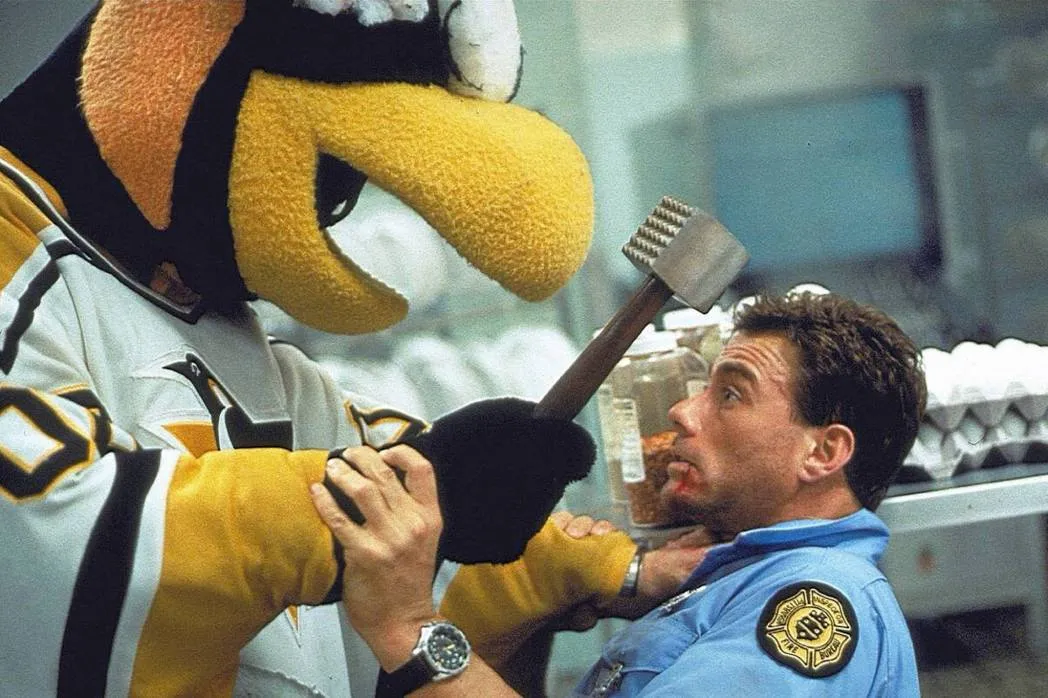
A return to the immobile ‘in a [blank]’ – a hockey stadium – and one familiar from thrillers in the past (Two Minute Warning, Black Sunday). But the choice of a disgraced fire marshal as a hero makes for an even better underdog than Die Hard’s beat cop, as is the choice – 24 years before Skyscraper’s prosthetic leg – to similarly give the hero a handicap – in this case, Jean-Claude Van Damme’s heavily-accented English.
Rating: 3 Twinkies
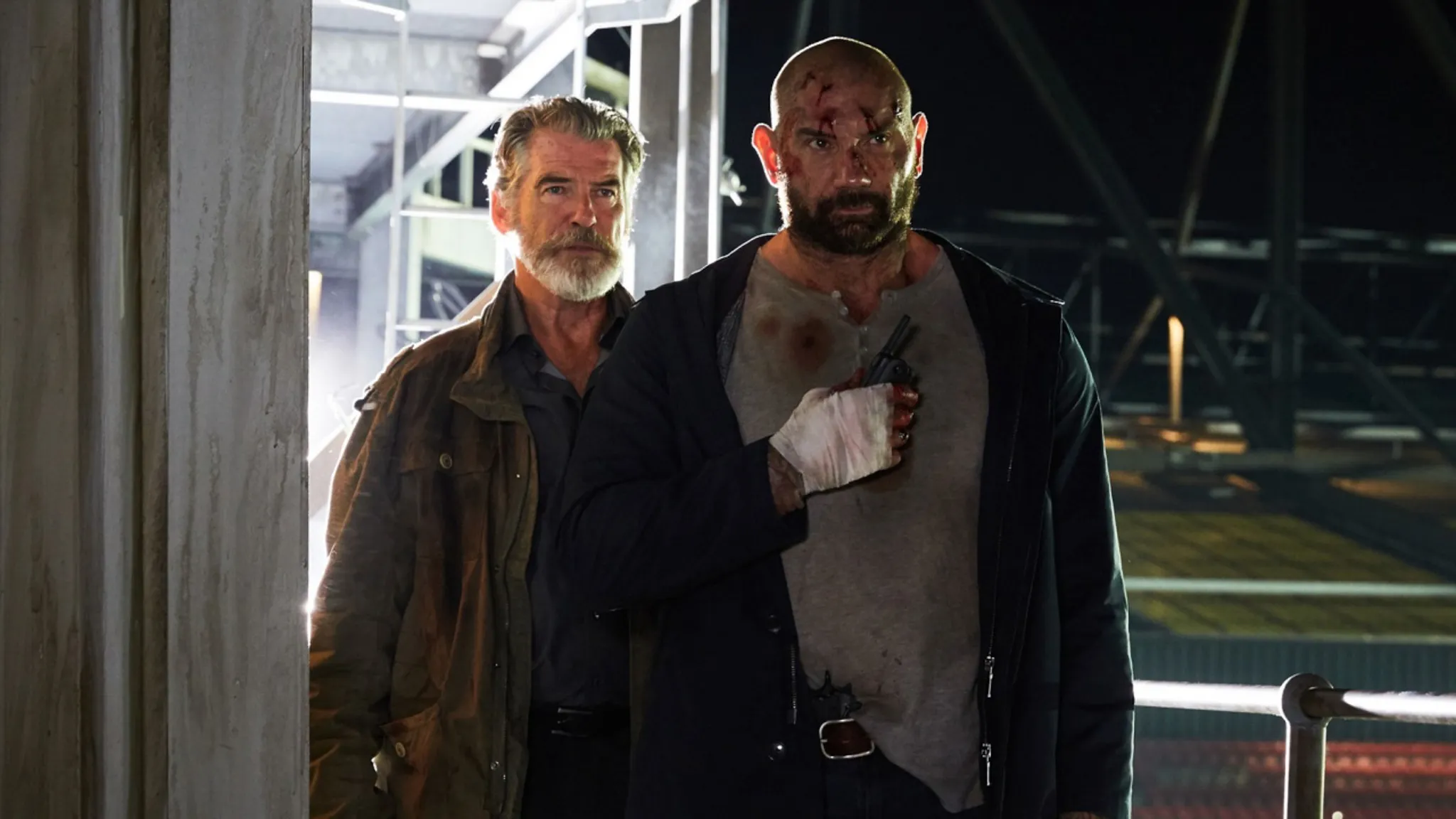
Just because the ‘blank’ is an arena during a sporting event, the hero’s niece is among the hostages, and the villains’ plan is to blow up the entire arena, this British Die Hard-a-like has been unfairly maligned as a knock-off of Sudden Death, which totally ignores its two groundbreaking creative decisions: the bold, unprecedented depiction of a Muslim who’s not a villain, and – in place of a boringly mundane hockey game – a wildly imaginative science-fiction-y sport that’s sort of like normal football, except without throwing, cheerleaders, or chronic traumatic encephalopathy.
Rating: 2.5 Twinkies
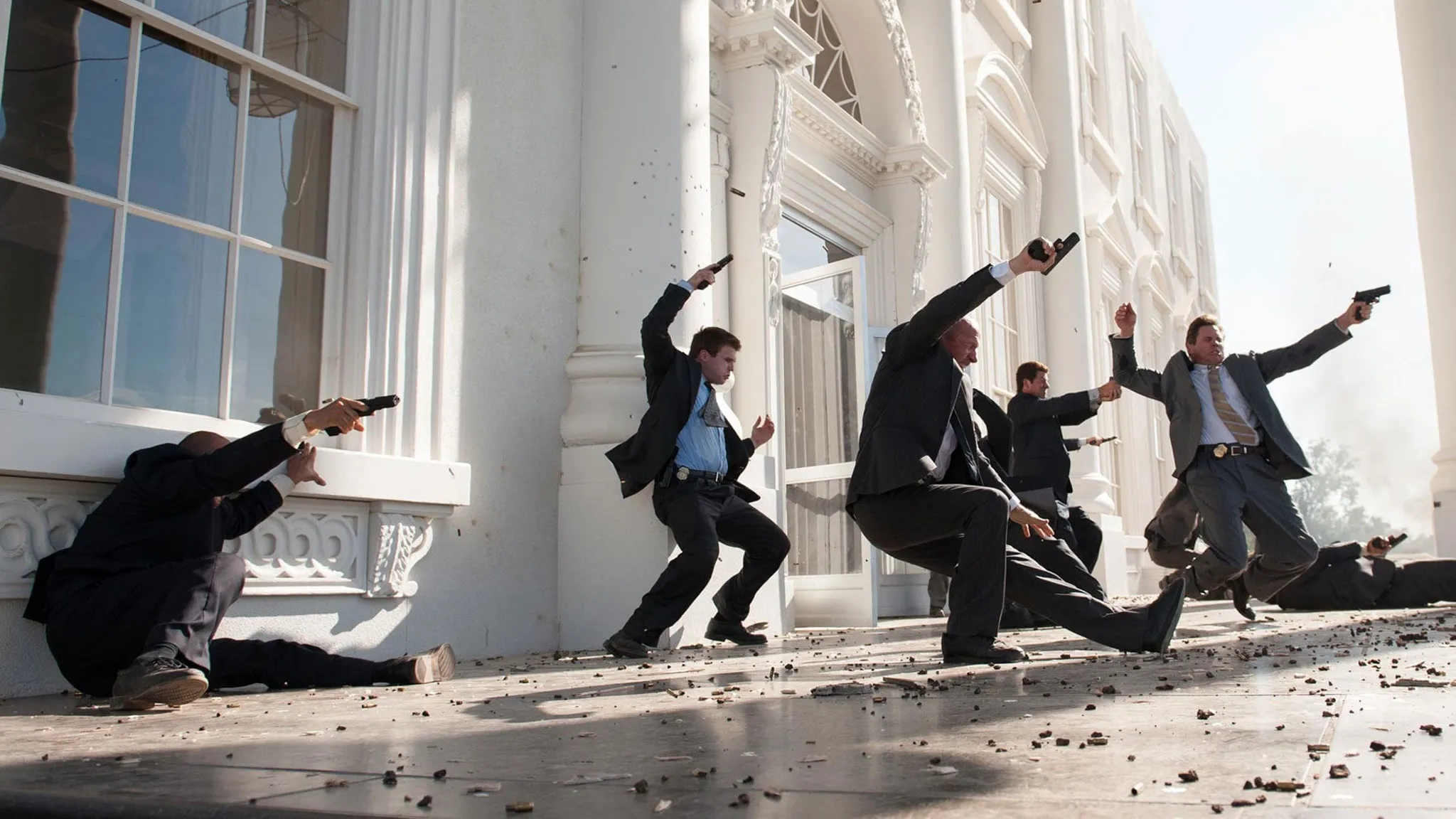
Released only three months apart, a lot of reviewers have mixed these two up when they’re as different as night and dusk: In one Obama is the president, and in the other, it’s Harvey Dent, with an old Obama on the side as back-up. Also, at the end of one of these, something Korean came into the picture but it may have just been a Deliveroo.
Rating: 4 Twinkies, but like their plots, shared, so 2 each

Choosing a rapidly moving form of transportation for the ‘blank’ instead of an immobile building is an inspired choice, bound to have a galvanising effect on the narrative. Unfortunately, the producers chose a Costa Cruise – and a lead actor (Jason Patric) who – let’s be honest – isn’t fit to hold Keanu Reeves’ sandwich. Still, at least Sandra Bullock bit the bullet and came back for seconds.
Rating: 1 Twinkie
In addition to the first two DIE HARDS, Steven E. de Souza will be best known to readers for his molti esplosioni e bang bang in TV and films including 48 HRS, COMMANDO, THE RUNNING MAN, TALES FROM THE CRYPT, RICOCHET, JUDGE DREDD, and LARA CROFT: THE CRADLE OF LIFE. In addition to TIME OUT, he has written about media for EMPIRE, THE NEW YORK TIMES, THE LOS ANGELES TIMES, PREMIERE, and SIGHT & SOUND. His retro-noir screenplay REX VENICE will be published in 2026 by @stickingplacebooks.
Discover Time Out original video