

[image]
[title]After a decade away from filmmaking, Nicolas Winding Refn returned to the big screen with Her Private Hell, a film that seems tailor-made for his obsessions: neon, violence, mystery, a film within a film, and a reality that slowly unravels as the story unfolds. Premiering at the 2026 Cannes Film Festival, Her Private Hell sparked both excitement and controversy, confirming that Refn remains uninterested in making films that are easy to categorize.
Starring Sophie Thatcher and Charles Melton, Her Private Hell is set in a futuristic world shrouded in a mysterious fog, where a young actress and an American soldier become bound together by a story of memory, trauma and survival. The result is an unclassifiable thriller that blends science fiction, psychological horror and family drama, with the hypnotic aesthetic and provocative pulse that define the director of Drive, Only God Forgives and The Neon Demon.
Her Private Hell hits theaters on September 24, 2026, ahead of its release on MUBI. Before the film's release, we spoke exclusively with Nicolas Winding Refn about the film, his photographic approach, the decision to change the ending during filming, and how an experience that pushed him to the limit ultimately transformed the way he understands time, creativity and cinema.
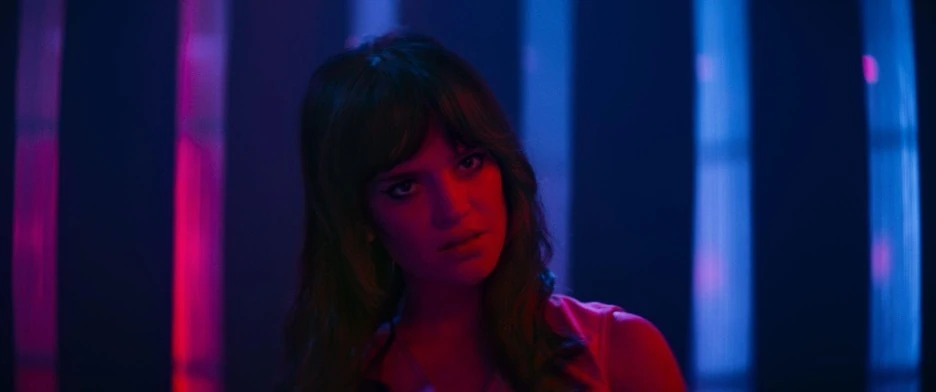
One of the aspects that drew the most attention surrounding Her Private Hell was the story behind the heart surgery that Nicolas underwent. During the Cannes press conference, he said that he came close to dying for 25 minutes and described his surgeon as “the Tom Cruise of the hospital.”
Nicolas explains that, after the operation, he was able to watch a video of what had happened inside his own body: “I know what it looked like inside. I know how the camera goes in through my side, goes through my lungs and reaches my heart, and then they open up the heart chamber and I can look inside my heart and see what it looks like.”
For him, the experience was something transcendental: “It's difficult to explain to someone what that does to you. I suppose it's a form of religion.” And from that second chance came a question that became central to him and, in a way, to Her Private Hell as well: “How much time do I have left?”
“I just have to make sure that every moment I spend on Earth is worthwhile. And then, when Her Private Hell came along, that's when I said, ‘I don't want to do just one thing. I want to do many things because I've never done that and I'm going to do it right now.’”
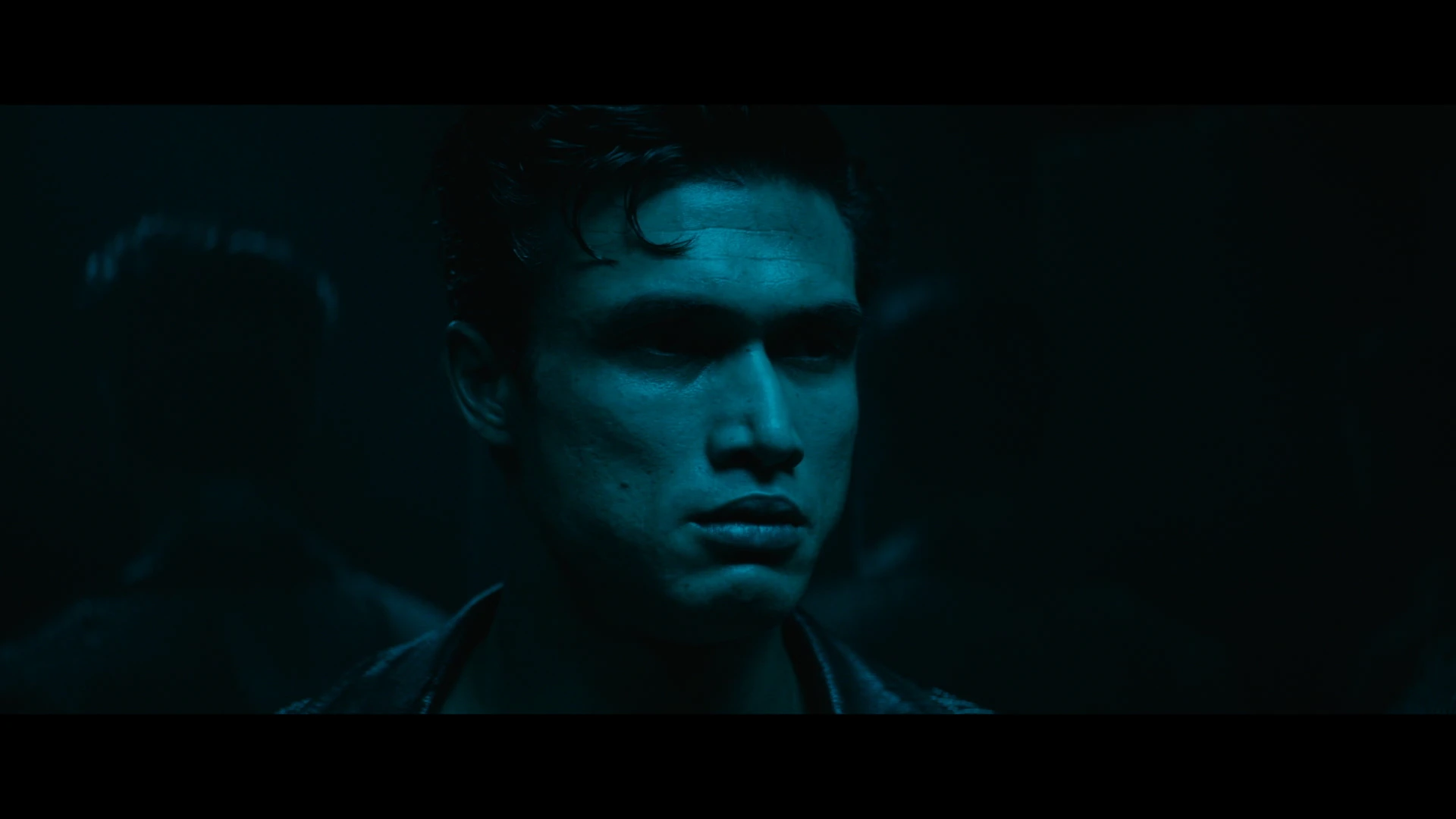
While filming Her Private Hell, Nicolas decided to change the ending of the film on the fly. When we asked what led him to make that decision, he explained: “I think I started really enjoying Sophie Thatcher's performance, and I wanted to see what would happen if I took a different direction. And because I shoot my films chronologically, I was able to start adapting as the story I had in mind began to change.”
To explain the process, he turns to a metaphor: “It's like having a blank canvas and starting with an idea that you want to try to put onto it. But by the end of the experience, that idea had, to a large extent, become something completely different.”
For Nicolas, that transformation is precisely one of the most appealing parts of the creative process: “That, for me, is what I enjoy most about what I do and about my life in general. I love the act of creating. I'm not as interested in the results.”
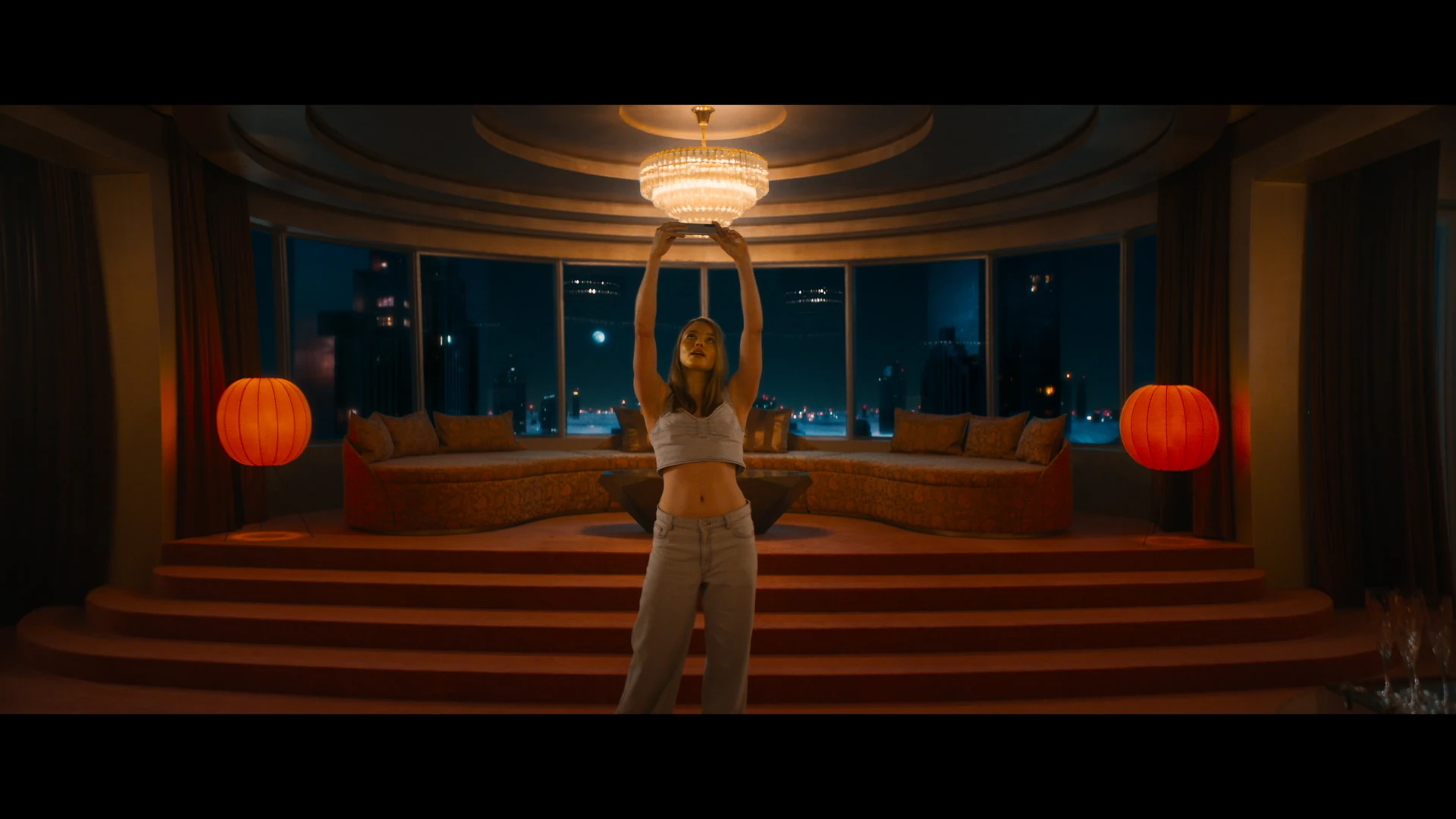
Nicolas Winding Refn has always described his films as a space where he can pour out all the ideas and obsessions in his head. We asked him whether, with Her Private Hell, he had finally been able to do something he'd been wanting to try for years.
“I've never made a film with so many ideas inside it. So I suppose that was the challenge, because normally you try to stay within a certain path,” he says.
The explanation, however, goes much further back: to his childhood and his arrival in the United States. Refn says he didn't discover cinema in the traditional way, in a movie theater, but through television. When he arrived in New York at the age of eight, unable to speak English after growing up in Copenhagen, television became his gateway into that world. “It was my cathedral, it was my religion,” he recalls. What he enjoyed most was constantly changing channels. “That way I could experience multiple elements of different experiences,” he says. “I always remember that kaleidoscope of being able to click, click, click, click, click.”
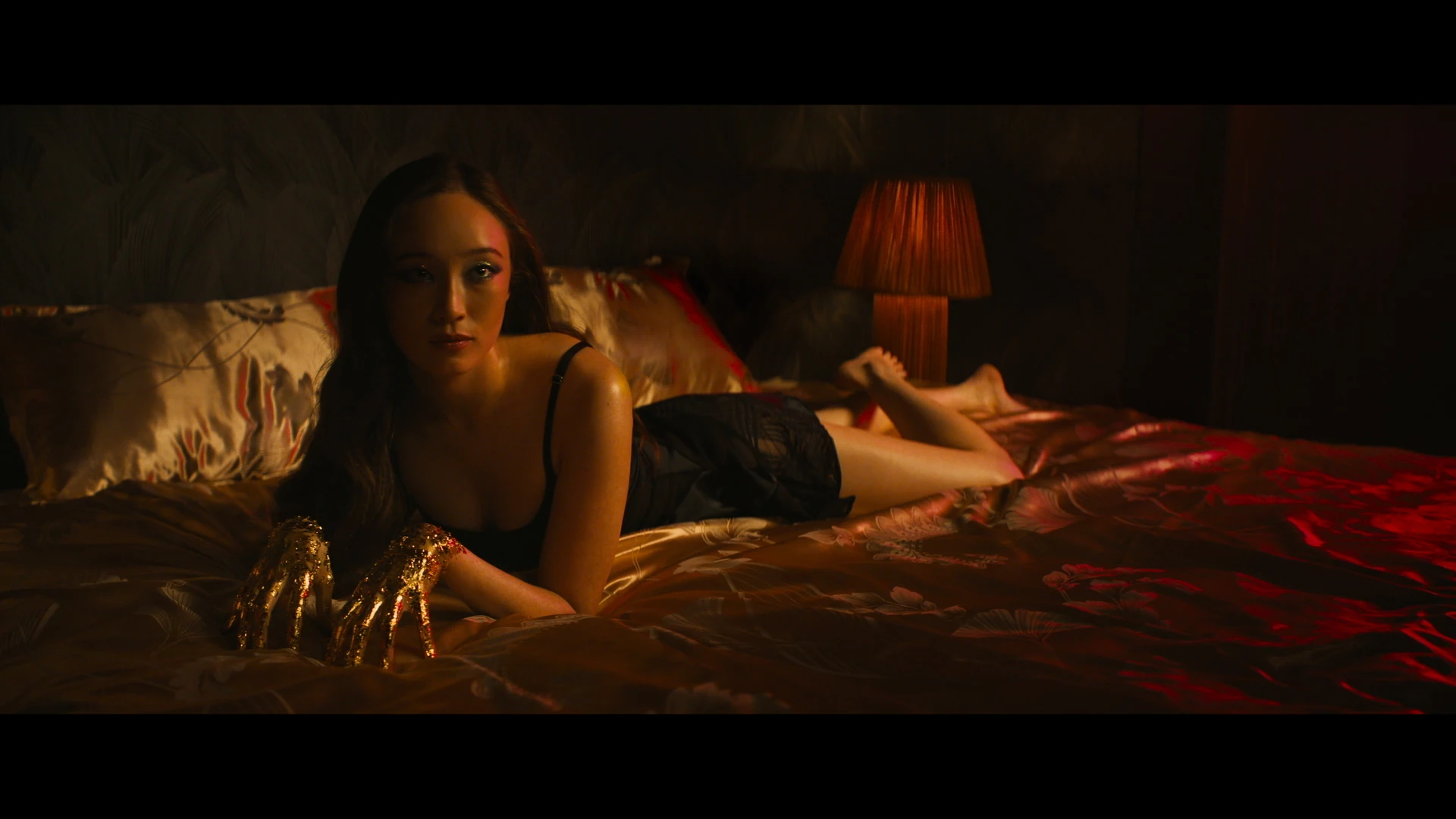
That experience eventually became a cinematic idea he had wanted to explore for years. “With Her Private Hell, I thought, ‘I've always wanted to make a film like this.’ Almost as if the film were an installation that you go and see, and then, basically, you switch between the worlds.”
The result is a film in which multiple ideas, tones and universes coexist, all connected by the same thread. “But there is one theme that connects all those worlds, and that brings us back to the fact that there are so many things happening in this film. You just have to look in the right places,” he shares.