

[image]
[title]Dib Bangkok, if you haven’t heard, is Bangkok’s newest and most talked-about contemporary art museum to emerge in the city – and it’s here to stay. In less than a year, Dib Bangkok has built a huge reputation at home and abroad.
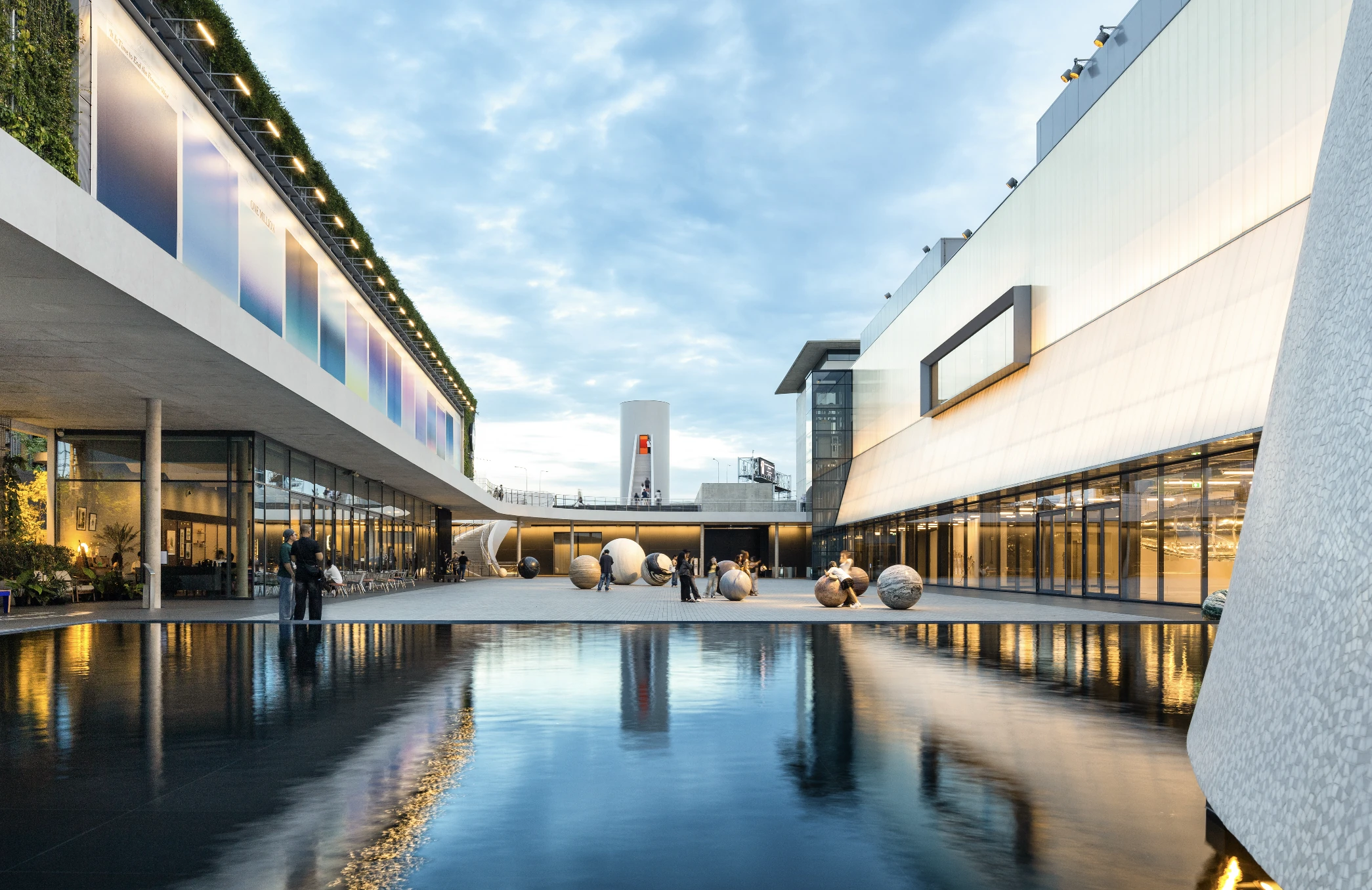
Originally conceived by the late businessman and prolific art collector Petch Osathanugrah, his vision was reinterpreted by his son, Purat ‘Chang’ Osathanugrah, Founding Chairman of Dib Bangkok, with acclaimed Thai architect Kulapat Yantrasast transforming a former 1980s warehouse into the spectacular museum we see today.
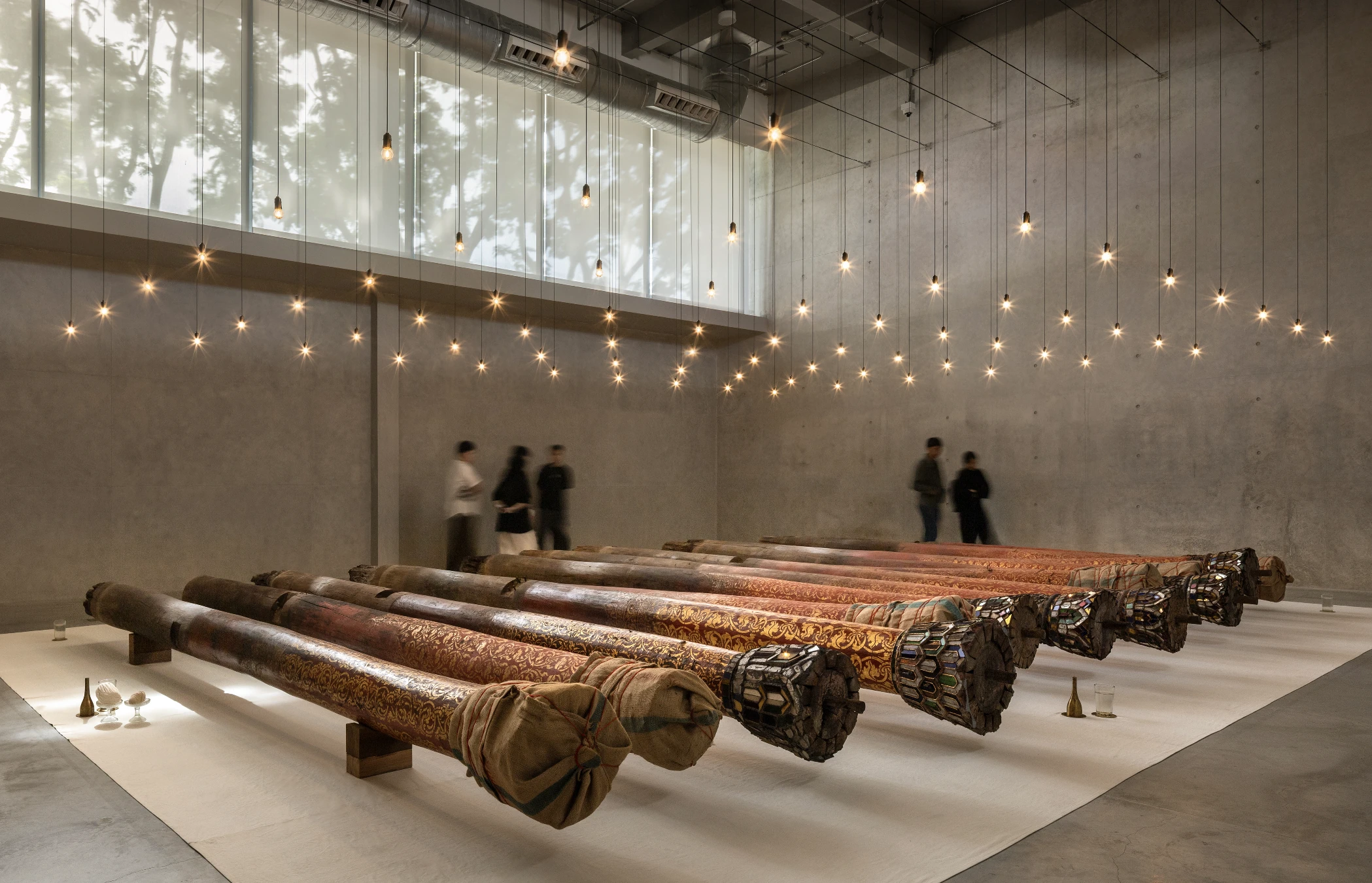
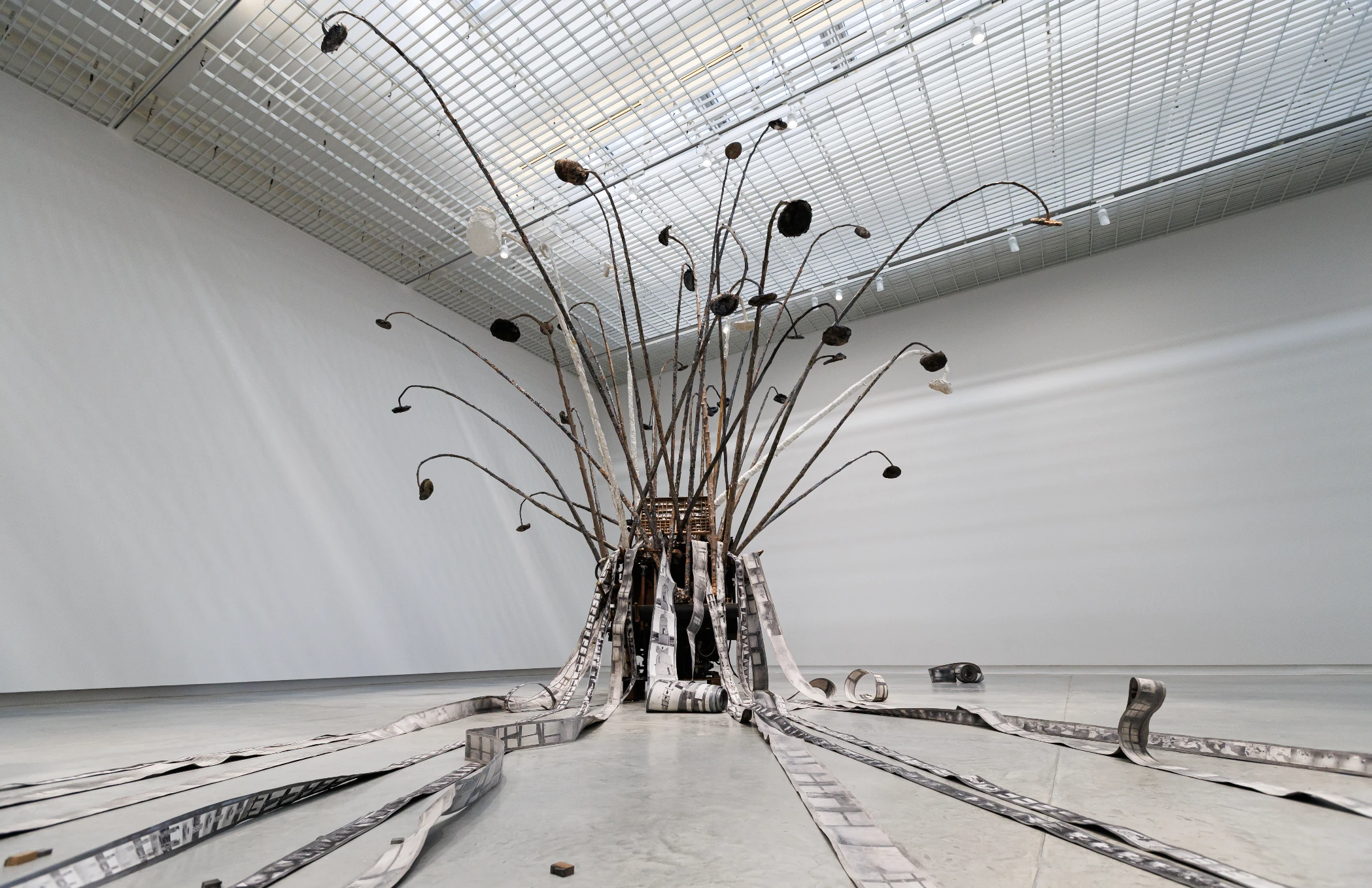
This month, they launch Giving Life – a new exhibition of more than 160 works by 33 Thai and international artists, running from September 26 this year to May 3, 2027.
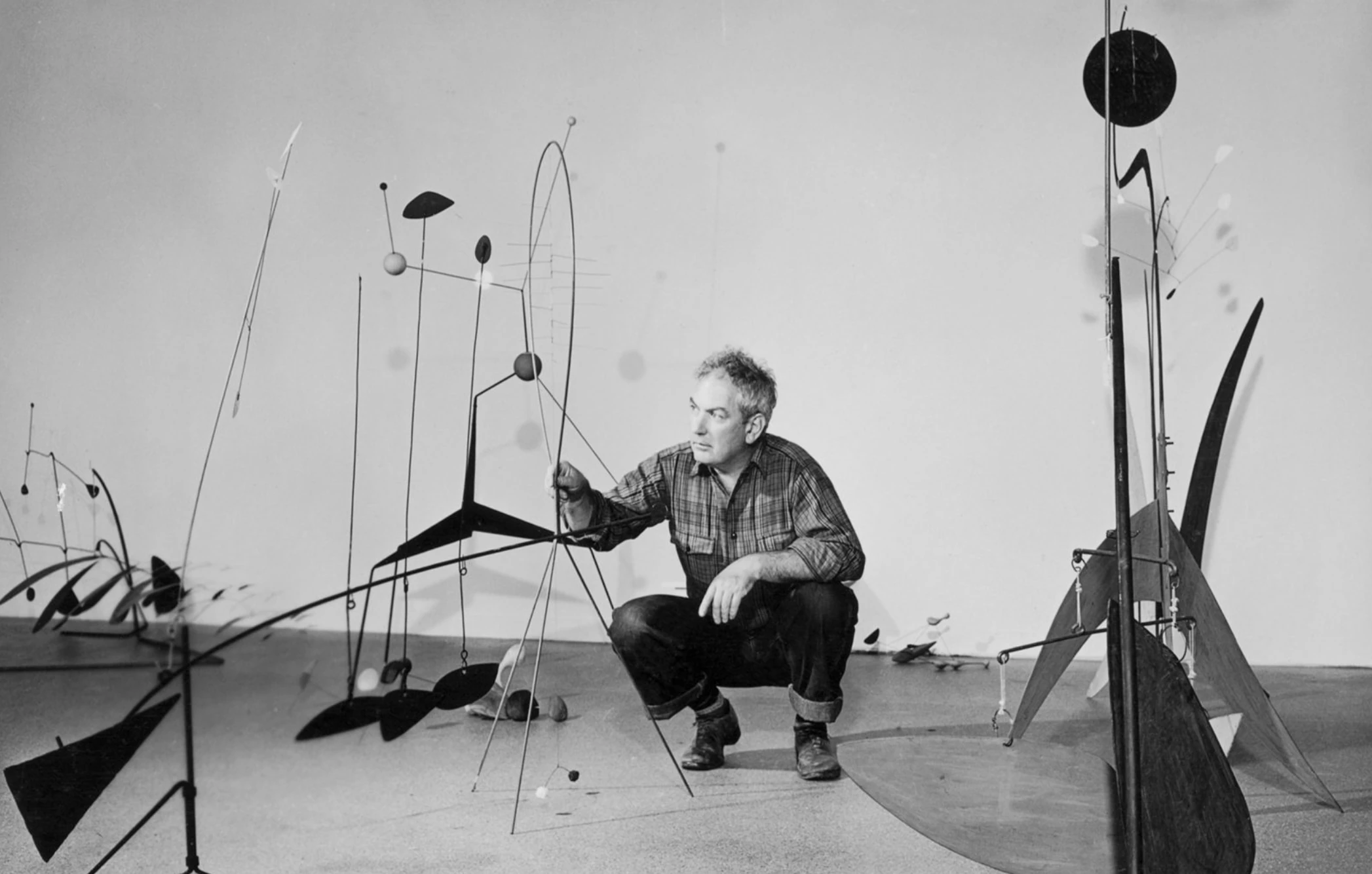
Conceptualised around an untitled piece by the late, great Alexander Calder, the exhibition looks towards the ‘life’ and ‘movement’ of art in both tangible and metaphorical ways. Next to Calder, sits works by artists including Kei Imazu, Sutee Kunaichayanot, Vasan Sitthiket, Rirkrit Tiravanija, Rachel Youn, Izumi Kato and Paul Chan.
Read more about the exhibition and how to visit Dib Bangkok here.
But exhibition aside, at the centre of Dib Bangkok’s rapidly growing profile is its director, Dr. Miwako Tezuka. An art historian and curator with more than two decades of experience spanning Asia and the United States, Tezuka has been tasked with shaping not just what visitors see inside Dib Bangkok, but what kind of institution it wants to become.
Time Out sat down with her to talk about her role in building Dib Bangkok from the metaphorical ground up, and her decision to move to Thailand in order to solidify Bangkok’s place in the global art world.
You were previously in New York, so coming to Thailand must have been quite a significant change. What was the decision maker for your move?
Yes, I was in New York for many years and to say the move was significant is an understatement. I’ve been in Bangkok for two and a half years now which has flown by, literally.
I spent over three decades in New York working in the non-profit sector and I had many experiences there. I also saw the art scene in the city become more and more diverse. Art is always diverse and diversity is something that happens everywhere. It’s not just in New York.
Although that city is still often considered the main centre of art, there are so many other opportunities outside of the States, and when I heard about an opportunity at Dib Bangkok through the late Khun Petch’s vision, it really excited me because it was so outside of my realm of comfort.
I wanted to have that kind of challenge – working in a culture that I never really focused my studies on (Dr. Miwako Tezuka is a Japan and East Asian art specialist). It was kind of an unknown space, an unfamiliar culture, and that really excited me. So that’s one part of the reason.
The other reason was the opportunity itself: to bring a new institution of this scale, focusing on sharing global contemporary art with a new audience. I knew Khun Petch from my past work at Asia Society and Japan Society and we kept in touch about his dream of a museum for so many years. When he told me: ‘Okay Miwako, the building is almost done. Do you want to consider building a team together?’, I knew he was committed to doing this. Dib Bangkok is not a vanity project. It’s not for his name’s sake. It’s really for the people and I connected to that philosophy and commitment.
Now Khun Chang carries on in his father’s spirit and commitment, and I’m really convinced that a new generation of art enthusiasts is genuinely engaged and passionate about art.
You’ve said before that Bangkok’s art scene is at a tipping point – it’s almost there, but not quite. Dib Bangkok clearly wants to help give it that final push. What still needs to happen for the city to truly tip over the edge?
You know, it’s right there. There’s a wonderful, small community of dedicated art professionals here. Over the past decades there have been moments where everyone felt like ‘Oh, something’s going to happen, something major could happen here,’ and then the momentum tapered down and plateaued. This phenomenon repeated several times but never culminated in a global presence because there wasn’t enough planned consistency.
Thai people are amazing in terms of doing things organically and doing things with just a single spark of inspiration or passion. But there was no anchor point or stable platform that lasted long enough to support that passion to really flourish.
I think that was what was missing before. But now we’re here, and we’re aspiring to be that platform for people – not just the people already in the industry, but for the general audience here too. I think our being here can really rally everybody to put a collective energy forward and push us over that tipping point. That’s the excitement that everybody’s feeling right now.
In Bangkok, some of the most visible and successful art spaces are tied to malls, mixed-use developments and commercial spaces, whereas in cities in the West there’s arguably a more established culture of visiting standalone museums and galleries. How does Dib Bangkok compete with that noise and encourage audiences to engage with art outside those more commercial settings?
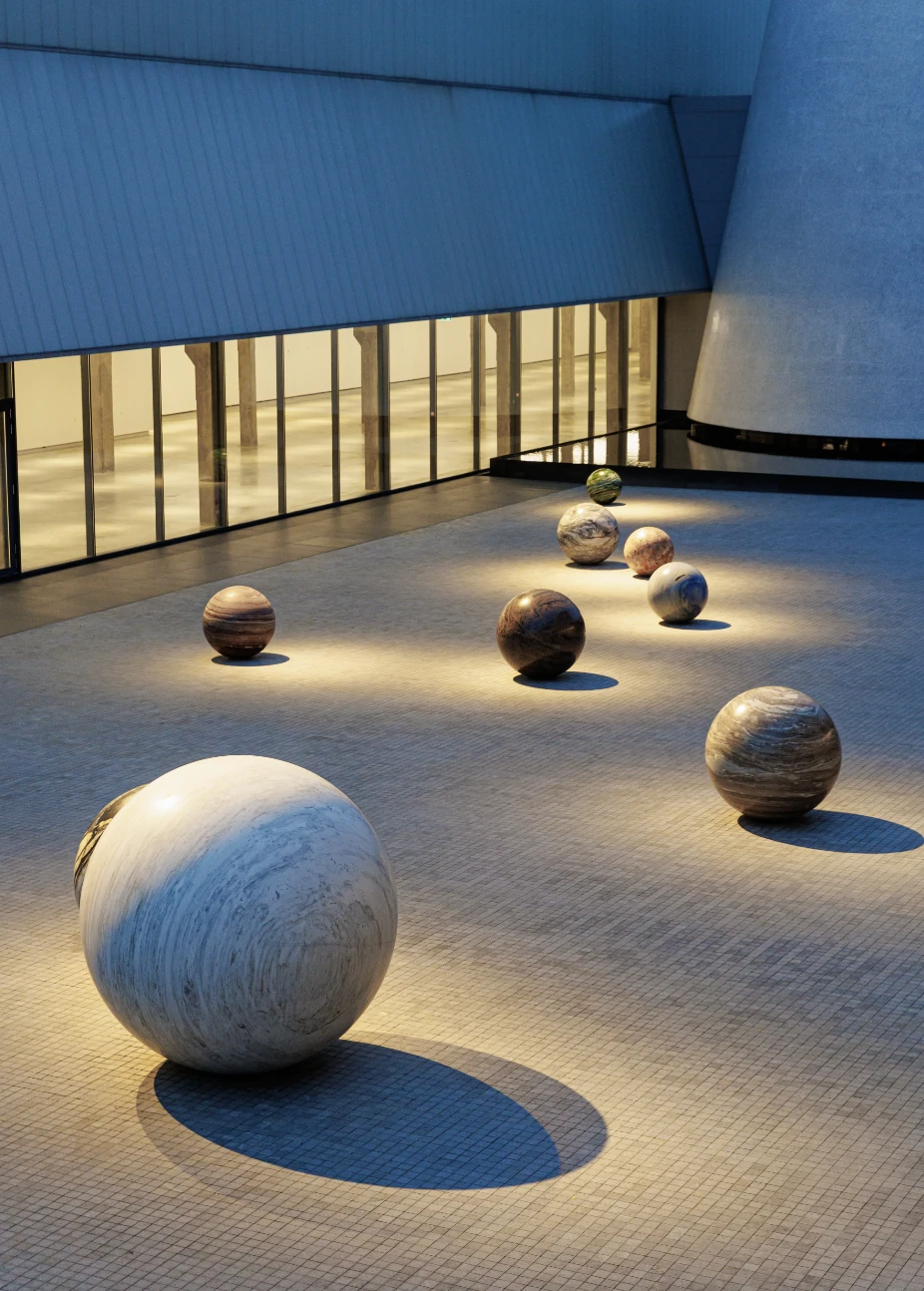
Our current aim is to clearly establish the DNA of Dib Bangkok, our identity as a purpose-built space for art. What we carry in our collection and how, with care, we engage with local and international artists are things that are deeply meaningful to us, and that we believe matter beyond these walls.
So we are very careful about how we curate our exhibitions and programs, not to be allured by popular art forms that are perhaps easy on the surface. We are finding another way to engage audiences. Take Alexander Calder, for example (the masterpiece in the centre of Giving Life, the new exhibition launching on September 26). His work is extremely important from an art historical perspective. He’s also the artist who could bring whimsy to art – and the piece in the show dates from the 1960s, which adds a sense of history to it as well.
We want to create a whimsical connection with the general audience, through artists like Calder. We’re always looking for artists who can close the gap between conceptual depth and the commercial attraction you find so much of in Thailand.
Contemporary art can sometimes feel intimidating, even for art lovers. What would you say to someone who walks into Dib Bangkok for the first time and doesn’t quite ‘get it’? How would you encourage them to slow down, engage with the work and make the most of the experience?
I would encourage them to have a question, or questions. It’s okay to ask questions when looking at art. It’s also okay to not be able to answer them. Part of enjoying art is to be immersed in that uncertainty, because that’s when your brain starts to work.
Think about a little child. Children become extremely imaginative either when they are bored, or when they ‘don’t get it.’ And that’s when their spark happens. So as adults, we can go back to that space of childhood freedom, and tap into our own imagination.
Not everything needs a definition. It's okay to not have answers, or not find one. Create your own answers. That's okay too. That is your own interpretation. This sense of freedom, I think, is what I would really encourage people to feel when looking at art.
But also, I know that's already quite challenging if you're not accustomed to that practice. So what we offer in this exhibition is human voices directly from the artists.
Artists are humans too. They are extremely imaginative and creative, but they also have their own struggles, their own questions, like, ‘Oh, what am I doing?’ Why not ask yourself the same question?
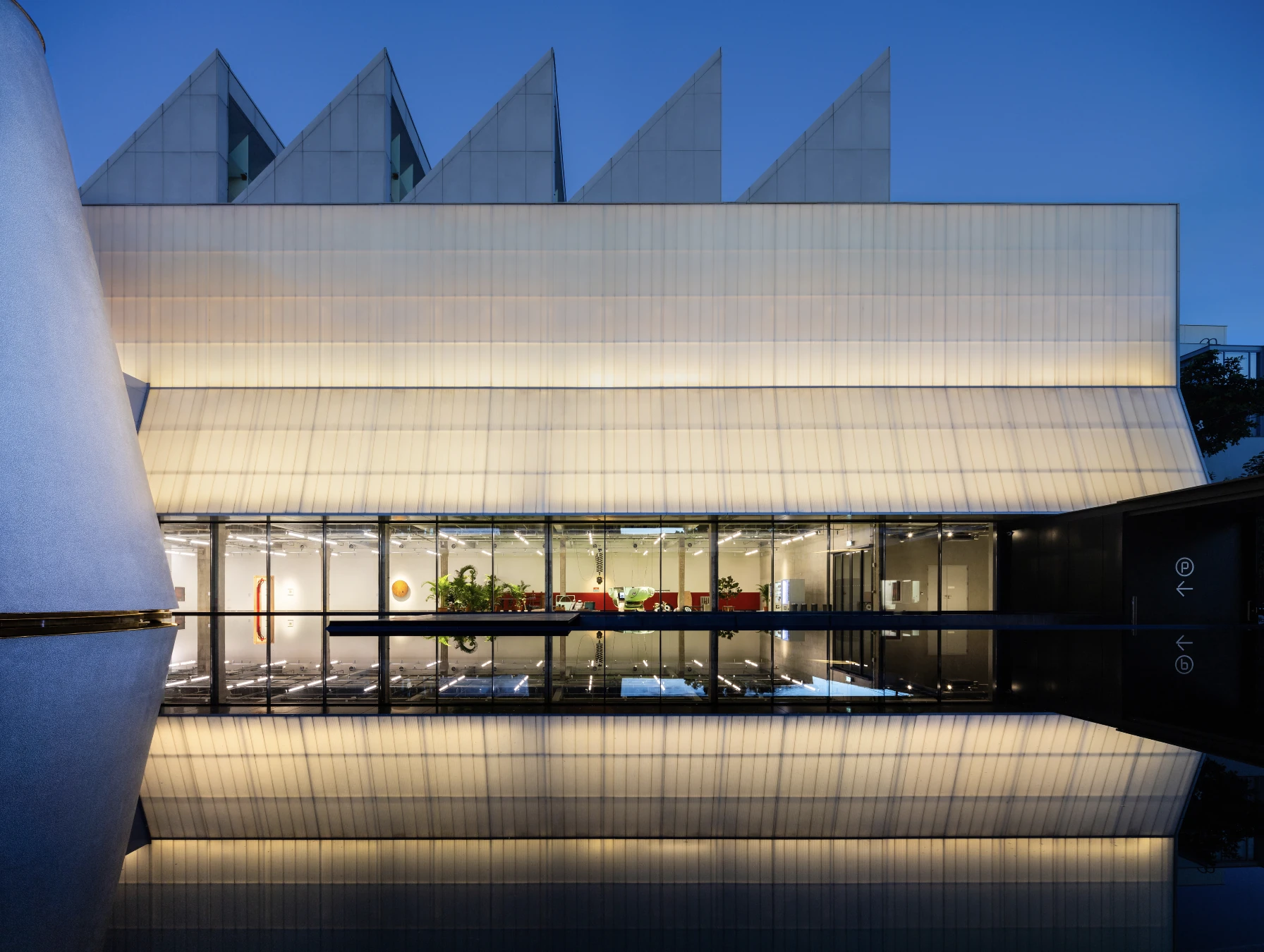
Dib means ‘raw’ in Thai, and the museum is clearly named with purpose. So after actually living and working here for two and a half years now, what feels particularly ‘dib’ about Bangkok to you?
Oh, it’s this wonderful chaos. I come from New York, so I know chaos of the city, but the chaos here is different. I feel the chaos here is a fluid one. It expands suddenly and shrinks suddenly too.
It’s like riding on a motorbike or a taxi here in the city. The same distance can take 10 minutes, the next day it could take an hour. The city always seems to be challenging your sense of time and space, and that is extremely unique.
This chaos in flux really excites me and makes Bangkok so special. I’m still trying to find out if there is a theoretical way to look at this ‘elastic time.’ Time is just a concept in our heads, but it feels very different from anywhere else.
I’m also originally from Japan, where everything is so strict, so maybe that contrast with Thailand also adds something exciting for me personally!
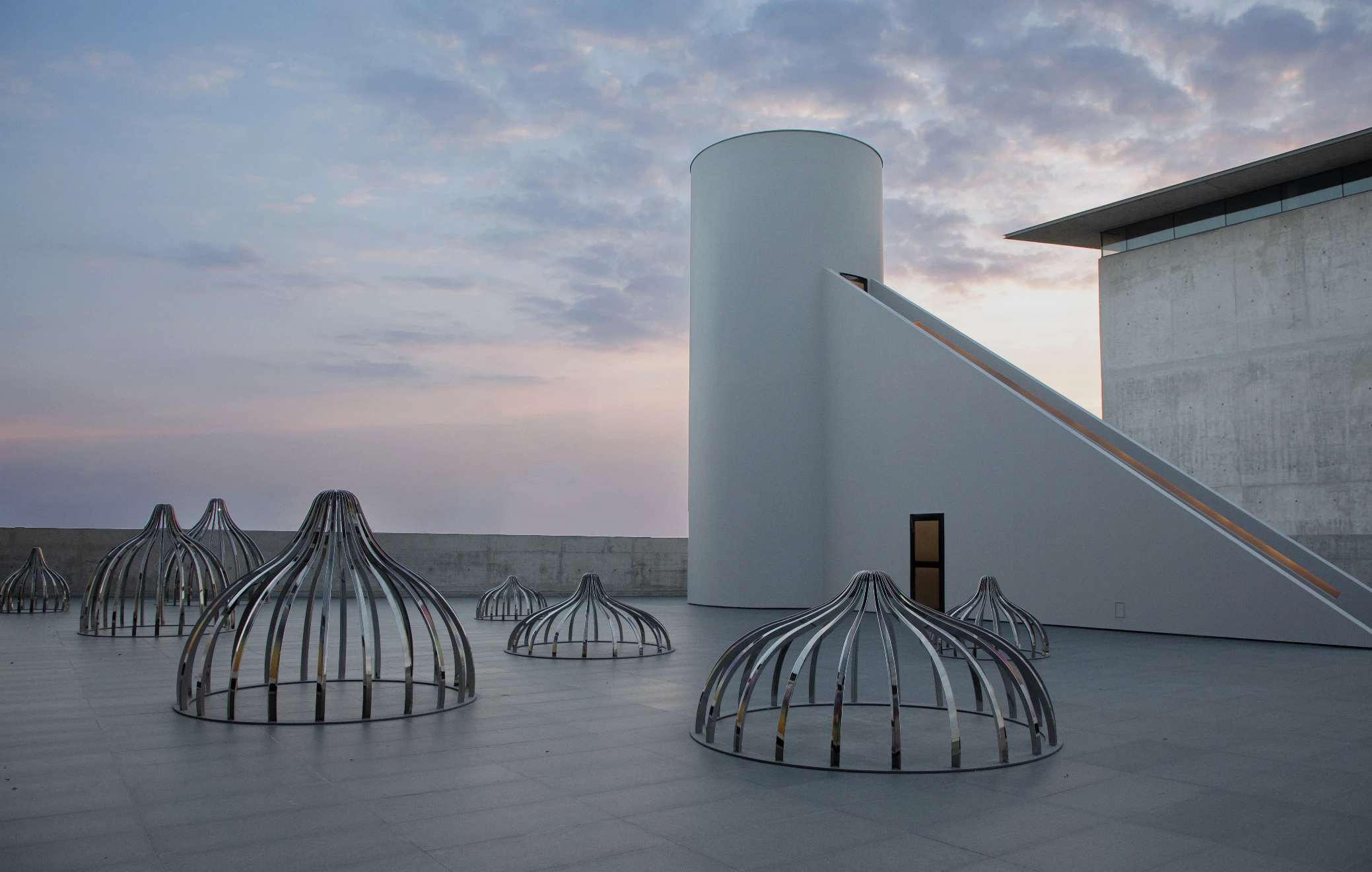
When you're not at Dib, where in Bangkok do you go to get inspired? What are some of your favourite spots in the city?
I like to walk around in the park. I live pretty close to Lumhpini Park, so I often walk around it to think. When I’m thinking, I walk.
When it comes to art, we have a wonderful collegial relationship with all the major places in Bangkok – Jim Thompson Art Center, BACC, Bangkok Kunsthalle, 100 Tonson Foundation – and commercial galleries, too. I go to those places to find new artists and be inspired by their exhibitions and programs.
One of my favourite dining spots is this wonderful small sushi restaurant in Sathorn. It's called Sakana to Sakana, which means ‘fish and drinking snacks’ in Japanese. It’s run by a Thai sushi chef and the quality is really good – I love that the Thai chef has mastered the art of sushi, while there’s also some side dishes that are a little more creative. I love the mixture and it’s very reasonable too. It’s like a Thai-Japan mix. I highly recommend the place.
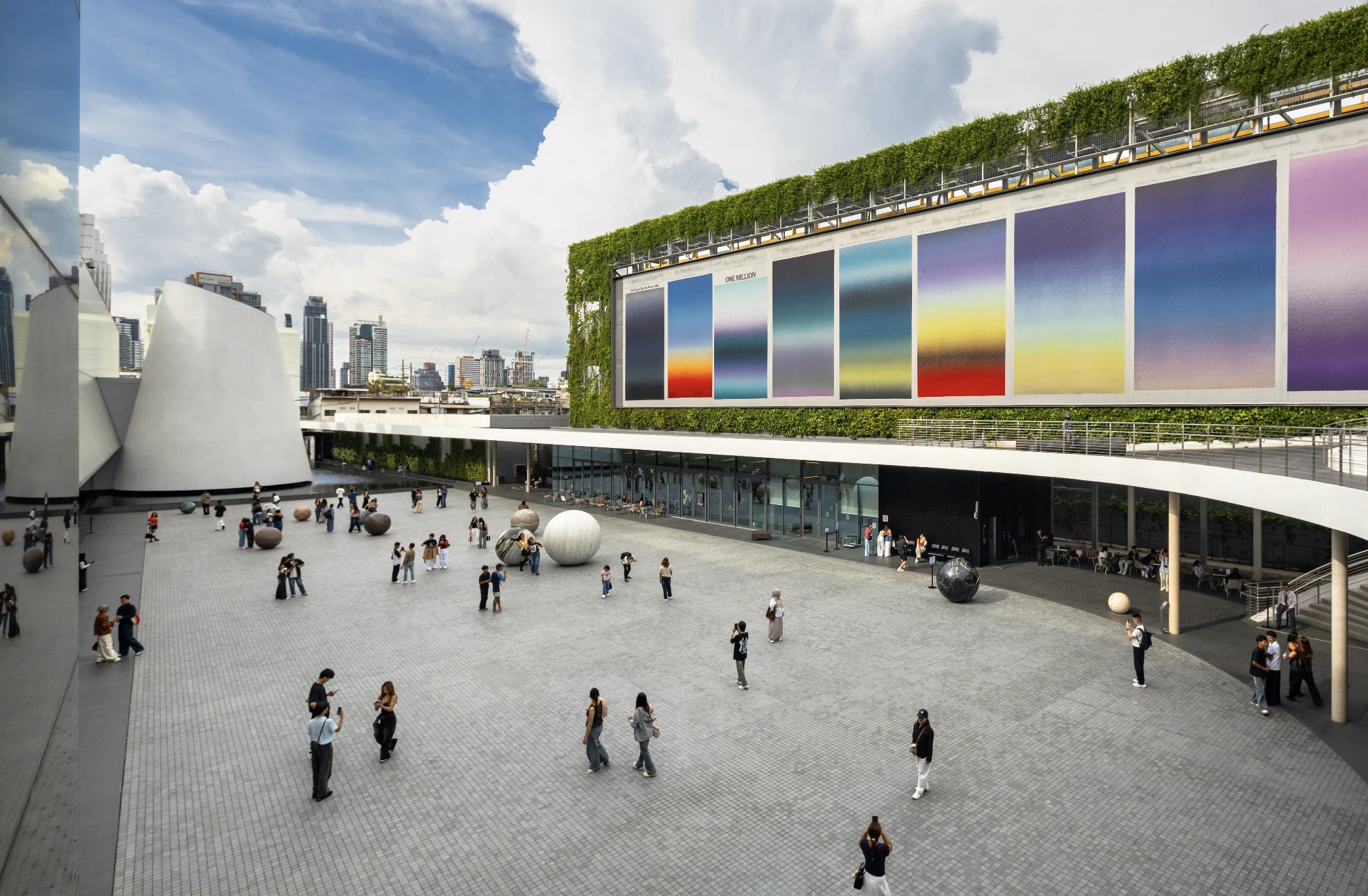
We’ve talked about the rawness of Bangkok, and Dib itself has a certain rawness, albeit in a very different way. Giving Life reflects that too – raw in some elements, pristine in others. Beyond that initial impression, what is it about Dib Bangkok that you hope will bring people back again and again?
In addition to the main exhibition, we have a very active and engaging series of programs catering to different audiences as well as the main exhibition.
Some are for families, some are for a more art-focused or informed audience. Some others are for those who are simply curious. We hope these programs will bring people back to Dib Bangkok again and again.
Editor note:
September sees three events take over Dib Bangkok on three separate occasions. Skyline Film joins for a courtyard cinema movie screening, the museum’s Reflection series returns for its sixth instalment on James Turrell and there’s a behind the scenes showing of how Giving Life was created too, later in the month.
Later in the year, architectural photography, landscape painting and chocolate painting workshops, symposiums and anniversary parties are all in the mix too.
Dates and more details can be found on the Dib Bangkok website.
Finally, is there one work in this collection of Giving Life that you especially like? What would be your best pick from the exhibition?
I love all of them, but because the exhibition’s whole artistic direction was inspired by our large-scale mobile by Calder, I would choose that one. It’s probably one of the largest Calders in the region and it’s a key element of the exhibition. I really hope people come to see it.
Come here to see the art, but also to spend time and relax. It's not just an art exhibition space. We have a wonderful Watthu-Dib Bistro & Bar, which serves amazing drinks, good coffee – really good coffee – and food. Come join our workshops and events, or just come to lounge around, write in your diary or take creative photos. Our unique architecture offers so many different angles to take amazing photos. When I look at our Instagram feed, I see people always finding new angles of the building that I have never thought about or even noticed. Our visitors also become our inspiration.
Come discover different sides of Dib Bangkok and just have a mighty good time with us!