[category]
[title]
Hawaii’s Big Island is home to the Kona Cloud Forest, where cool weather, coffee and bamboo are in abundance.

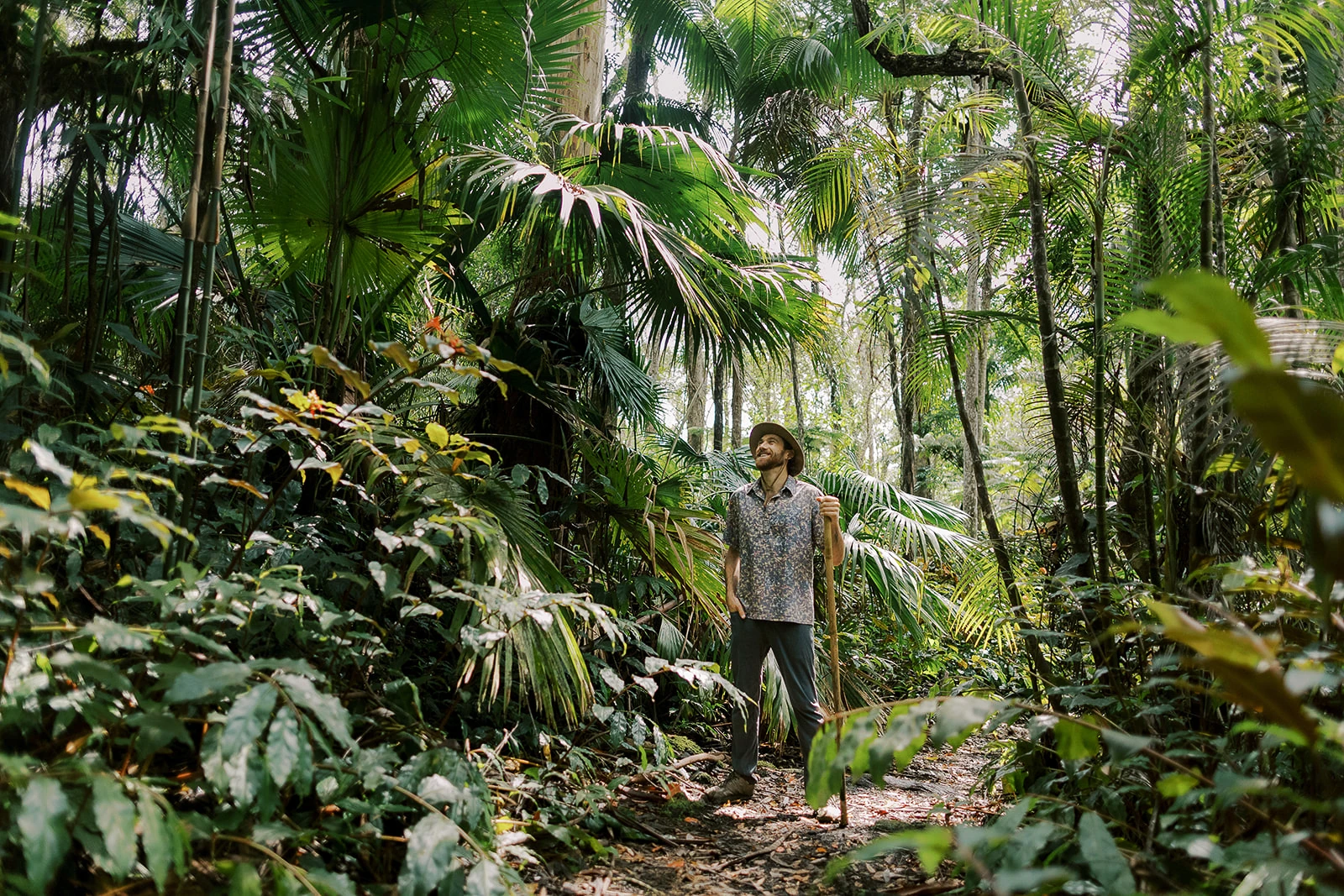
After picking up a rental car from Kona International Airport, the drive down Queen Ka’ahumanu Highway is surrounded by ocean views and volcanic rocks. However, a quick turnoff from the main road leads you quickly climbing up winding roads past lush, wild vegetation. The Kona Cloud Forest Sanctuary sits high above the Kailua-Kona coastline on the west side of Hawaii’s Big Island; the landscape here looks nothing like what you left behind merely 15 minutes earlier.
Getting out of the car after parking at the sanctuary is otherworldly. Gone is the traffic noise from down below, replaced by relative quiet punctuated by bird calls. You’ll notice the chill in the air, the temperature having dropped several degrees in the short drive here, along with the muted sunshine that blazed so brightly below. Now, light filters through unimaginably large leaves and dark green foliage, where a light mist weaves through the trees and gently kisses the skin. It feels peaceful, ancient, and you immediately understand that this is a special place.
Cloud forests are rare ecosystems, accounting for only 1% of the land on Earth, yet are home to thousands of animal and plant species that only exist in these forests. Unlike typically low-lying rainforests, they are found several thousand feet above sea level, where mountain slopes mix with moist air to create clouds in the treetops. The sanctuary resides approximately 3,000 feet up the slopes of Hualālai—which happens to be an active volcano—so this area regularly sits within the cloud layer. The forest also maintains a consistently cooler temperature (approximately 10 to 15 degrees below the coastline temps). With such high humidity here, epiphytes like mosses and ferns are commonly found growing on the trees alongside rainbow eucalyptus, banyan trees and 100 species of bamboo.
View this post on Instagram
“Historically, this area was native cloud forest,” explains Kona Cloud Forest Sanctuary owner Nadara Rose McWhirter. “Over time, human activity such as land clearing and ranching severely altered the ecosystem. Much of the native forest was lost, and pioneer plants and grasses took over, disrupting the natural balance.”
The sanctuary has worked for over 40 years to intentionally restore the forest, helping things to the point that the forest is regenerating itself now. The full scope of the cloud forest is approximately 50 miles, half of what it was in the 19th century; the sanctuary is on 15 acres of privately owned land that McWhirter’s father, Norman Bezona, purchased and the family have continuously worked to restore throughout the years. Another 15 acres of native cloud forest surrounds the property that the Bezonas have helped to care for.
Visitors can book tours of the sanctuary (starting at $40 per person), as well as wellness experiences like slow-flow yoga (starting at $25 per person). It’s worth noting that you cannot explore the sanctuary’s forest grounds on your own; a tour guide is required.
If you’re looking to spend some additional time in Kailua-Kona outside of the sanctuary, then it’s worth checking out some of these other areas too.
Mountain Thunder Coffee Plantation produces 100% Kona coffee and oversees the process from its start on local farms to roasting the beans. The plantation sits right across the road from the Kona Cloud Forest Sanctuary, making it an easy stop. Free tours are given every half-hour of the facility and walk visitors through the lifecycle of coffee from bean to brew; it lasts about 20 minutes. Afterwards, peruse the gift shop for products you can only get onsite (while also trying some samples). Beyond the gift shop, there’s a self-guided nature walk you can take that includes views of three lava tubes along with native plants and ends at an observation deck for a vista of the coast. The cost for the nature walk is $10 but does come with a guidebook; note that it is particularly steep at the entrance and exit.
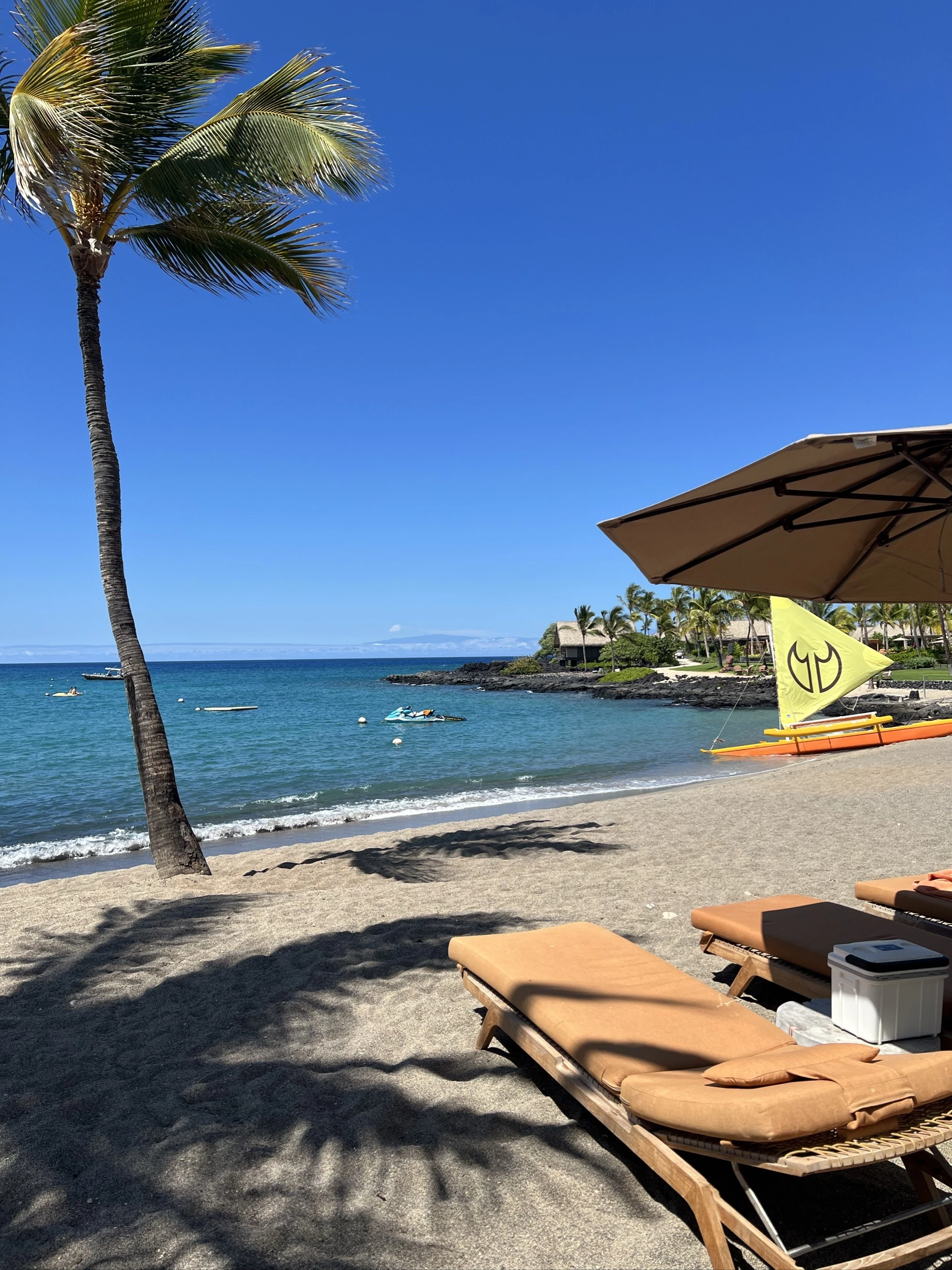
The luxurious Kona Village, a Rosewood Resort is about a half-hour drive from the sanctuary on the Kohala Coast. The property sits on the site of a historic Hawaiian village, with buildings created around the preserved archaeological sites. While booking a stay at the hotel comes at a cost (prices start around $1,200 per night), there are a few points of interest open to the general public. The highest concentration of Hawaiian petroglyphs in the world happens to sit on the land the resort is on, with over 400 carvings preserved; free tours can be booked through the hotel’s cultural team. Ka’upulehu Beach stretches in front of the property and while most of the shoreline is covered by a lava bench, there is a small section of serene, soft sand available for beachgoers and open to anyone, just as all Hawaiian beaches are.
Discover Time Out original video