[category]
[title]
How I’m keeping nature close through the fall and winter.


From weekend backpackers to expert skiers and avid gardeners to outdoor bar patio hounds, the people of Portland, Oregon have a strong affinity for the outdoors. Despite our love for the outside, the city insists on being blanketed in clouds 222 days out of the year and is notorious for its drizzly, dreary winters.
As summer comes to a close, many of us go indoors, less than eager to connect with nature during the chilliest, grayest months. After 13 winters here, plenty of seasonal lows and an aversion to snowsports, I’m always searching for ways to feel close to nature when the weather shifts.
This fall and winter, I plan on tapping into plants, specifically via herbal medicine—even though I knew next to nothing about it until a few months ago. That’s when I took a class with Missy Rohs, founder of Arctos School of Herbal & Botanical Studies.
To be clear, herbal medicine is not foraging for mystery berries in hopes of soothing your every ache and pain. Instead, it’s utilizing well-researched plants to assist in overall health and wellness, ideally with the help of a seasoned professional like Rohs. Each month, she hosts a “Healing Herbs of the Arboretum Plant Walk” in Northwest Portland’s Hoyt Arboretum, allowing participants to witness the changing seasons through the lens of locally grown plants. These walks are $30 per person, but keep an eye on the Arctos website for occasional free workshops and classes.
At the start of each walk, Rohs reminds the group that a full investment in herbal medicine isn’t a prerequisite to enjoy the walk. She always says, “Anyone is an herbalist,” even if they just use chamomile to settle into a deeper sleep, or eat a little ginger for an upset stomach. By teaching her walking groups about the medicinal qualities of leaves, barks, flowers and berries, she fosters a deeper connection to Portland gardens, hiking trails and even your neighborhood patch of weeds.
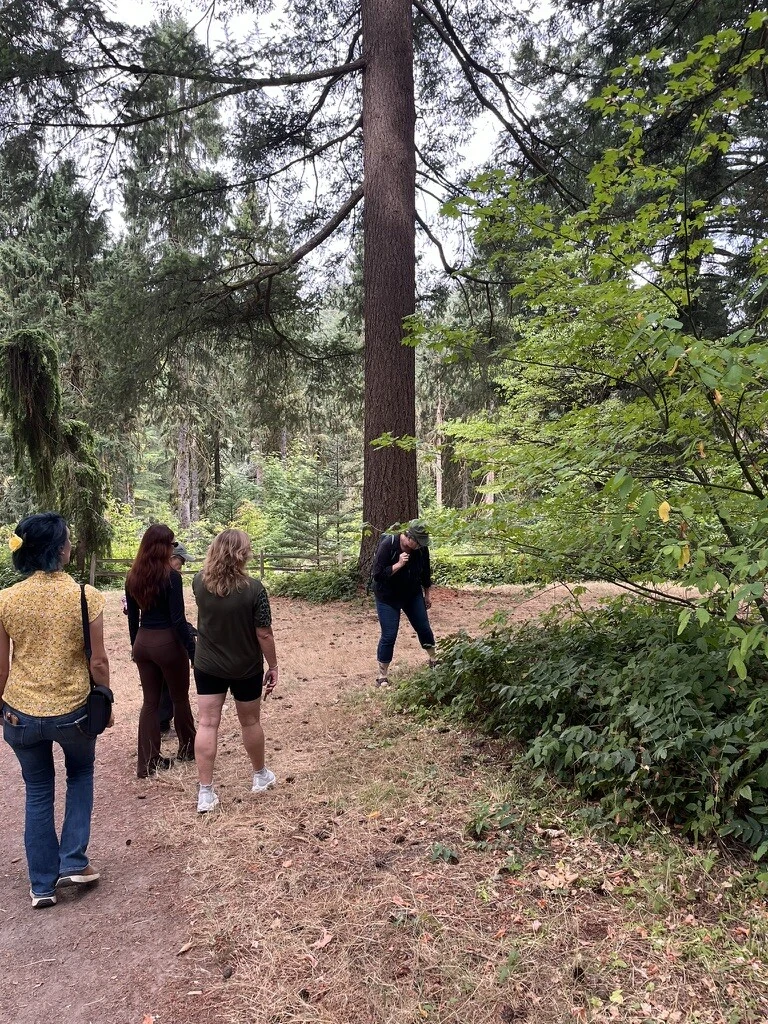
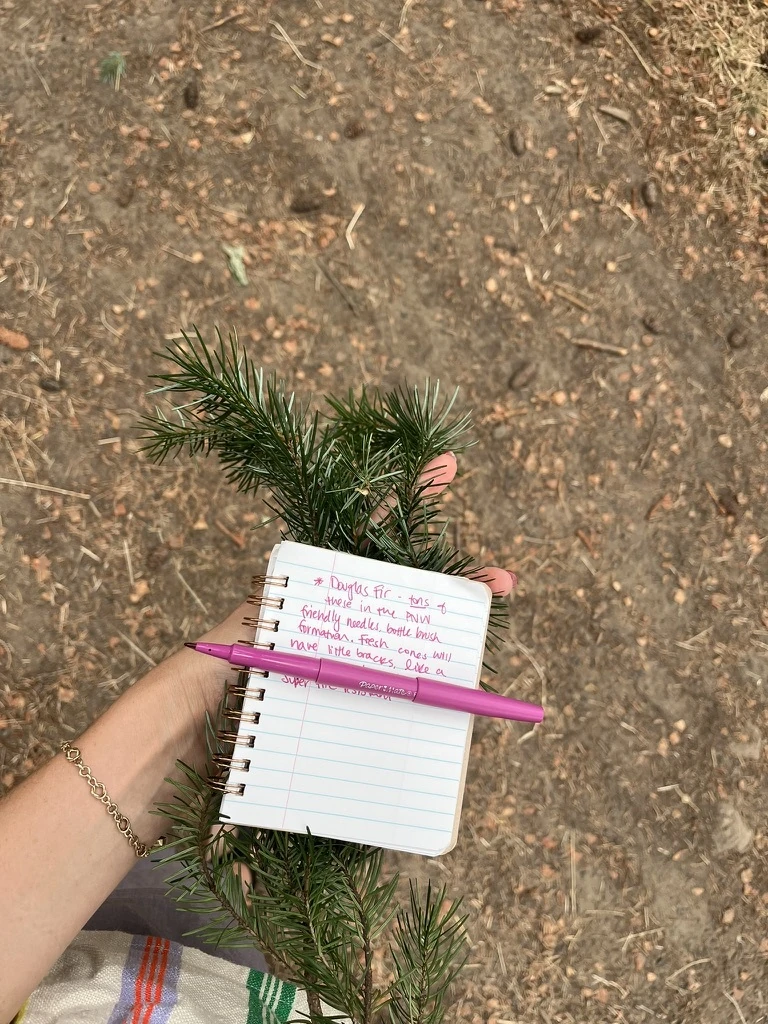
The two-hour walks tend to include a mix of participants, some new to herbal medicine like myself, and others with immense experience, asking all the right questions. As an attendee, expect to take a slow, meandering stroll through the Arboretum trails with a group of between five and 15 people. Wear comfy shoes, dress for the weather and bring a water bottle (and a notebook, if you’re interested in tracking the plants you learn about!).
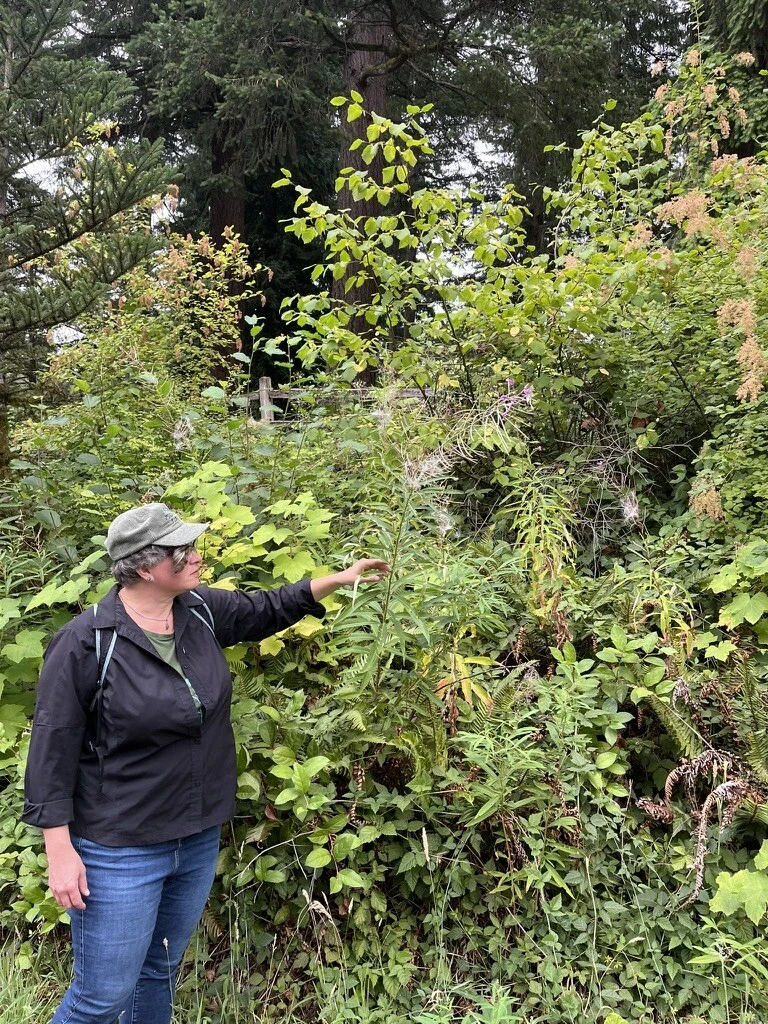
The walks are literally hands-on: Rohs encourages participants to touch the plants she points out as we go, observe them close-up and take pictures. She emphasizes that the Arboretum is a “tree museum” and thus to avoid much foraging, but sometimes she’ll approve of guests sampling a plant if it’s especially prolific and healthy.
On our late-summer walk, we covered plants like prickly ash (a tree filled with red berries that can increase circulation, salvation and promote a healthy oral microbiome), fireweed (a flowering plant that often springs up after wildfire, welcoming pollinators back to the area), low-growing Oregon grape (an evergreen shrub that contains berberine, often used for its antimicrobial properties) and many more. The prickly ash berries were a fun one to sample—they’re just as mouth-numbing and peppery as Szechuan peppercorns.
Participants also learn the best planting and harvesting practices so they can use the knowledge gleaned in their own gardens or neighborhoods. Rohs is hyper-aware of safe practices for herbal medicine use, like integrating advanced modern medicine, getting second or third opinions from experienced herbalists, proper plant identification and common look-a-likes and avoiding risky harvesting locations.
Rohs leads other walks in various Portland neighborhoods, events on Mount Hood and workshops like “Your Medicine Can Be Free: Nourishing Weeds” and “Uplifting Herbs for Hard Times.” She hosts the Arboretum walks throughout the year but sometimes skips December, January and February depending on weather and interest.
On the note of maintaining a connection to nature through the colder months, I asked Rohs for any tips beyond attending her walks. Her number one recommendation is bringing plants indoors—foraging Western red cedar, spruce or rosemary—and boiling water to create an herbal steam. Sometimes she’ll keep a pot on the stove all day, filling the house with fragrance, or, when needed, she’ll carefully breathe the steam to clear sinus pathways.
Since investing a little time in the world of herbal medicine, I’ve found myself making my own tea blends, harvesting echinacea growing in my backyard and making respiratory-supporting herb bundles for friends and neighbors during Oregon’s smoky spell in August. I can’t wait to further this investment as the weather turns.
Whether you join one of Arctos’s walks or workshops, prioritize seasonal produce at year-round farmers’ markets or invest in your garden even in the off-season, staying engaged with plants can make all the difference in fighting cold weather blues. Check out the Arctos website to learn more about Rohs’s work and upcoming events.
Discover Time Out original video