[category]
[title]
It’s hoped that the Iron Age discovery at Deepdale Bridge will help unveil more about the region during the Iron Age


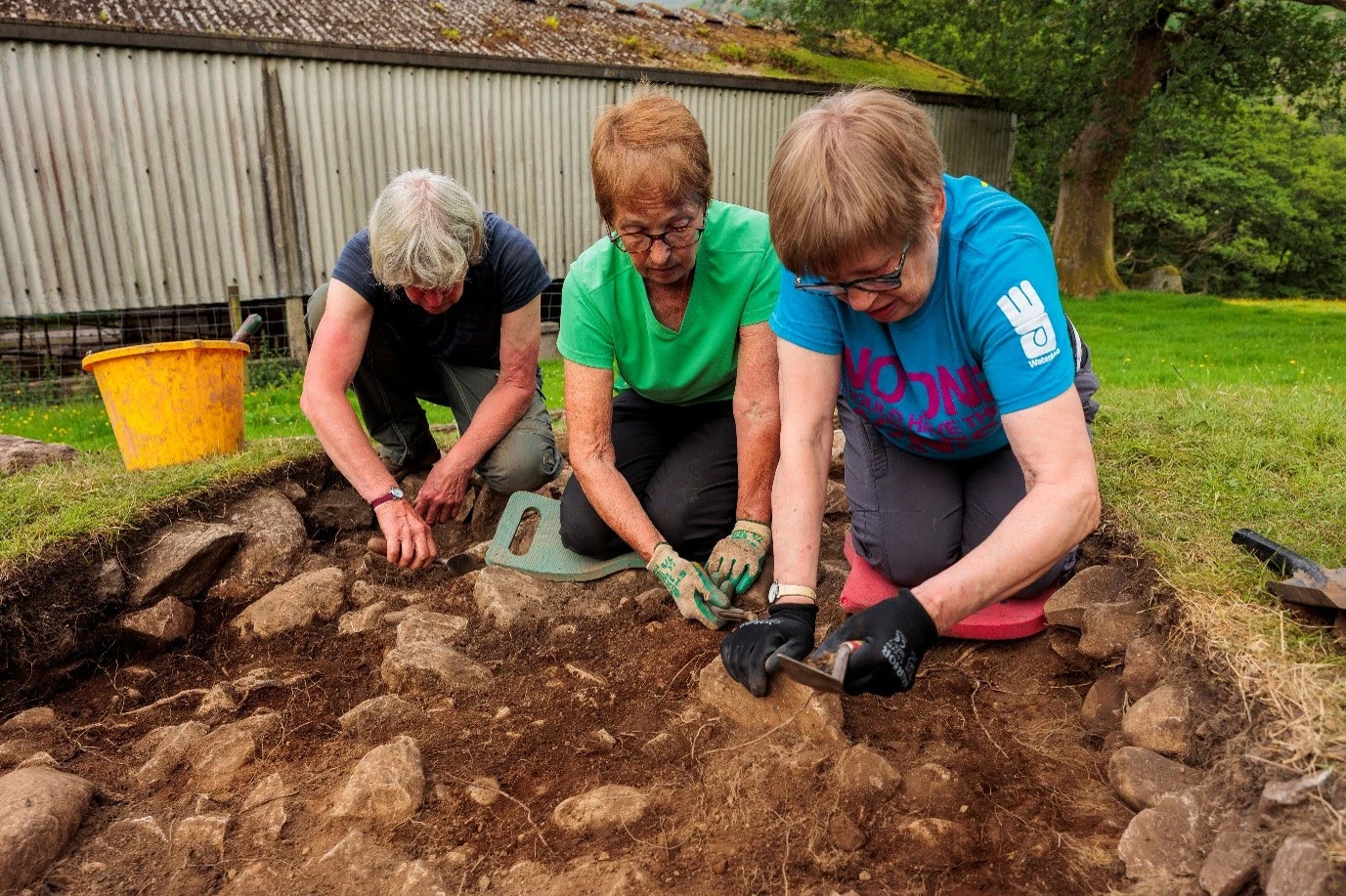
Archaeological excavations require a heck of a lot of patience. Most of the time, experts and volunteers dig up small things like ancient coins or bits of flint and stone tools. But every once in a while, a dig can unveil entire homes and communities, revealing previously unknown, fascinating information about our ancient ancestors. This month, a group of volunteers were rewarded for their patience as they unearthed a rare 2,000-year-old-settlement in the Lake District.
The Lake District National Park Authority has been conducting a survey of 150 sites across the valley of Deepdale since 2024. And that’s how volunteers came to discover the Iron Age Deepdale Bridge Settlement.
The settlement is where our ancient ancestors would have lived, cooked together and kept livestock. It’s made up of several hut circles, which are the remains of roundhouses, and small enclosures surrounded by a rubble bank. In one trench, diggers found the remains of a timber doorway leading into the roundhouse, alongside internal dividers and a cobbled yard outside likely used to hold animals.
Using radiocarbon dating of charcoal in the soil, experts were able to determine that the huts were occupied between 76AD and 216AD and the enclosure bank was constructed between 40BC and 118AD. They found that the roundhouse had been altered throughout its life, ‘demonstrating the continual use and reuse’ of the settlement from the Iron Age through to the Roman period.
Any uncovering of ancient villages is exciting, but this one’s particularly significant as very few native enclosed settlements in the Lake District have been archaeologically investigated. Even fewer have confirmed dates for occupation. It’s hoped that this discovery will help to shed light on a number of other settlements which are likely to date back to the same period. Now, the volunteers are working to uncover more evidence through their excavation at Lanthwaite Green, near Crummock Water.
Marnie Calvert, graduate historic environment assistant, said of the dig: ‘The dedication, enthusiasm and hard work of our volunteers have been at the heart of this excavation uncovering important new evidence of life in the later prehistoric Lake District. We are incredibly grateful to everyone who gave their time and skills, and we are excited for future opportunities to learn even more.’
Did you see that this walking route between the Scottish Borders and Northumberland is one of the world’s best experiences in 2027?
Plus: how to explore West Scotland – one of Britain’s most beautiful regions – for just £2.
Stay in the loop: sign up to our free Time Out UK newsletter for the latest UK news and the best stuff happening across the country.
Discover Time Out original video