[category]
[title]
The Mitsubishi Ichigokan Museum showcases how modern-era artists like Kiyochika and Hasui transformed Japanese woodblock printing


Thanks to the world-famous work of artists such as Hokusai and Hiroshige, ukiyo-e woodblock prints are typically considered an art form distinctive to the Edo period (1603–1868) – the age of shoguns and samurai, the quintessential ‘old Japan’.
But ukiyo-e did not end with the fall of warrior rule. Instead, the medium evolved in fascinating directions between the late 19th and early 20th century, when Japanese printmakers produced a remarkable oeuvre of works greatly influenced by their country’s sudden turn towards modernity.
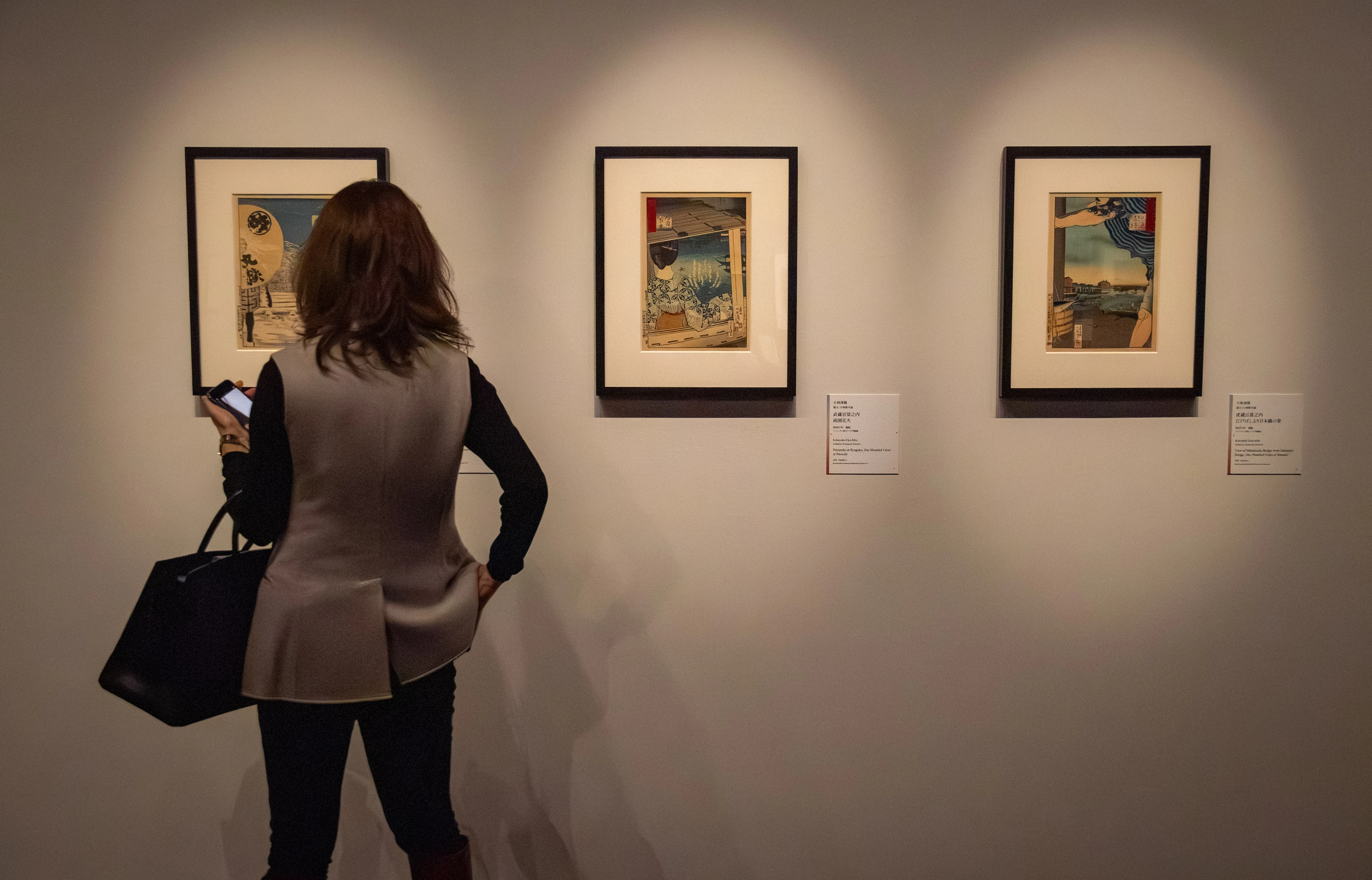
Some of the greatest masterpieces of this period can be viewed now at the Mitsubishi Ichigokan Museum in Marunouchi, where an exhibition titled ‘From Kiyochika to Hasui: Ukiyo-e and Shin-Hanga Woodblock Prints from the Smithsonian’s National Museum of Asian Art’ is showing until May 24.
Built around some 130 prints, most of them borrowed from the renowned Robert O Muller Collection at the National Museum of Asian Art in Washington DC, the display explores a pivotal moment in Japanese visual culture: the twilight of ukiyo-e and its reinvention as shin-hanga.
At its heart lies a tale of transformation; a story of how traditional woodblock printing adapted to photography, modernisation and global exchange at a dramatic juncture in Japanese history.
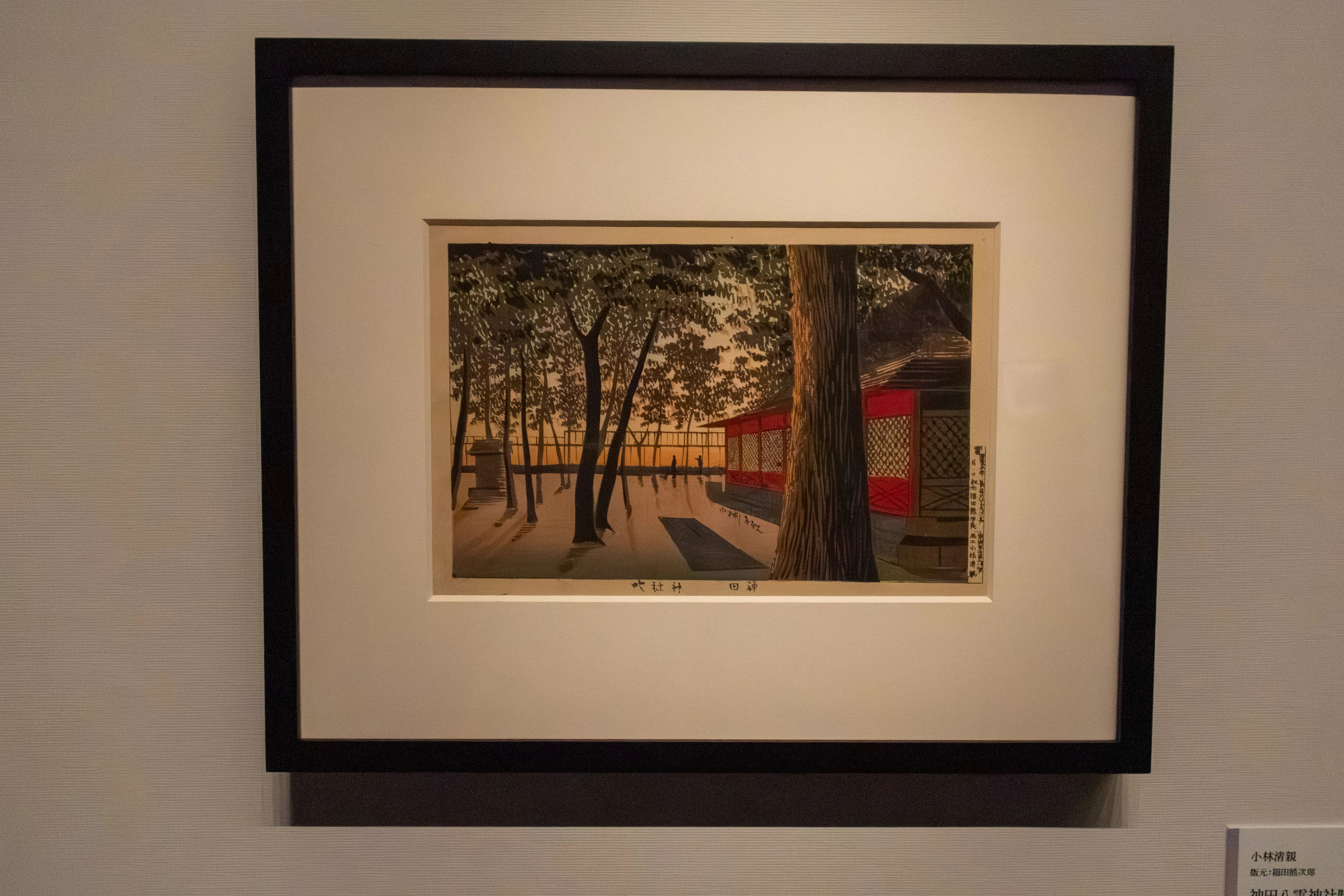
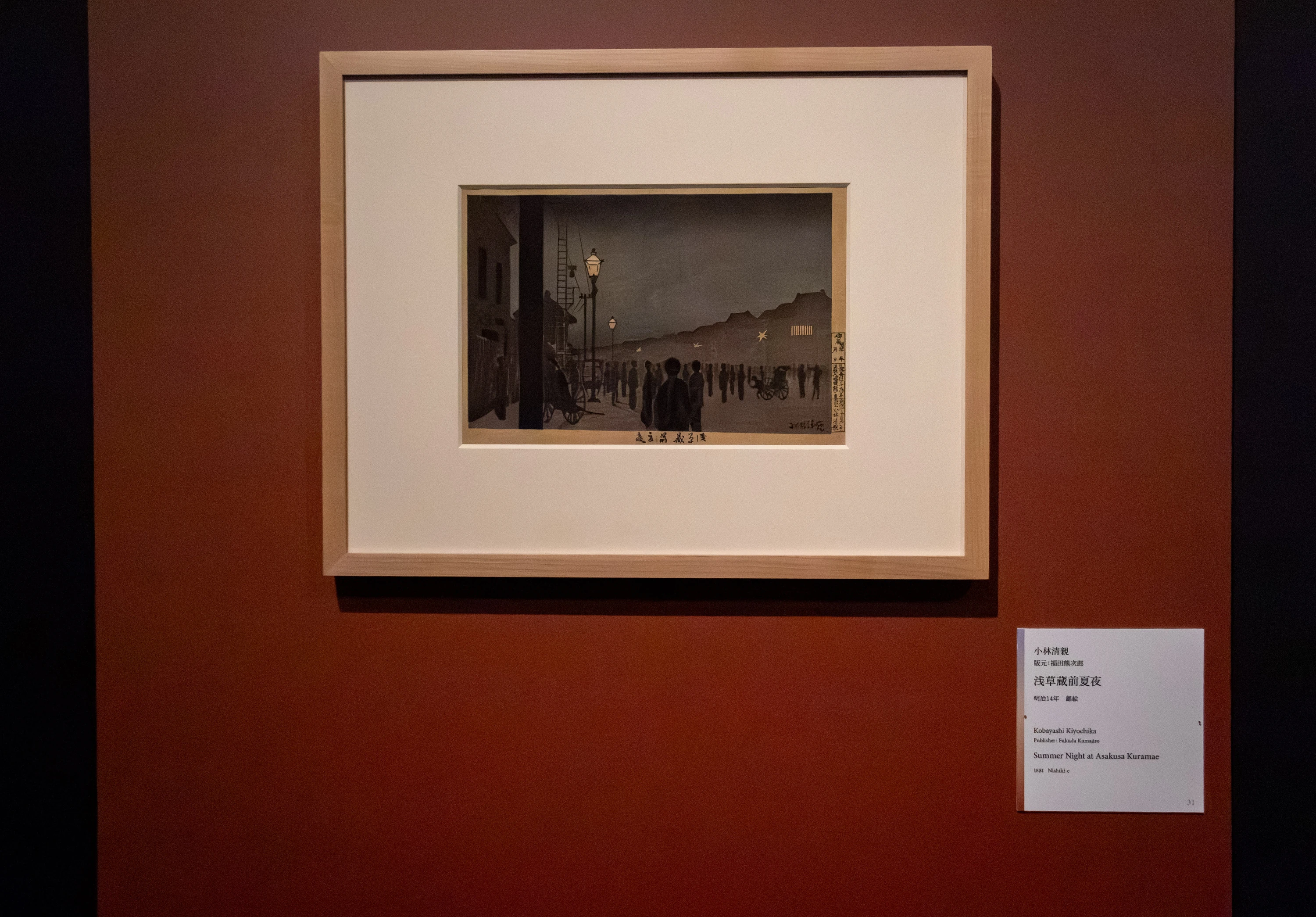
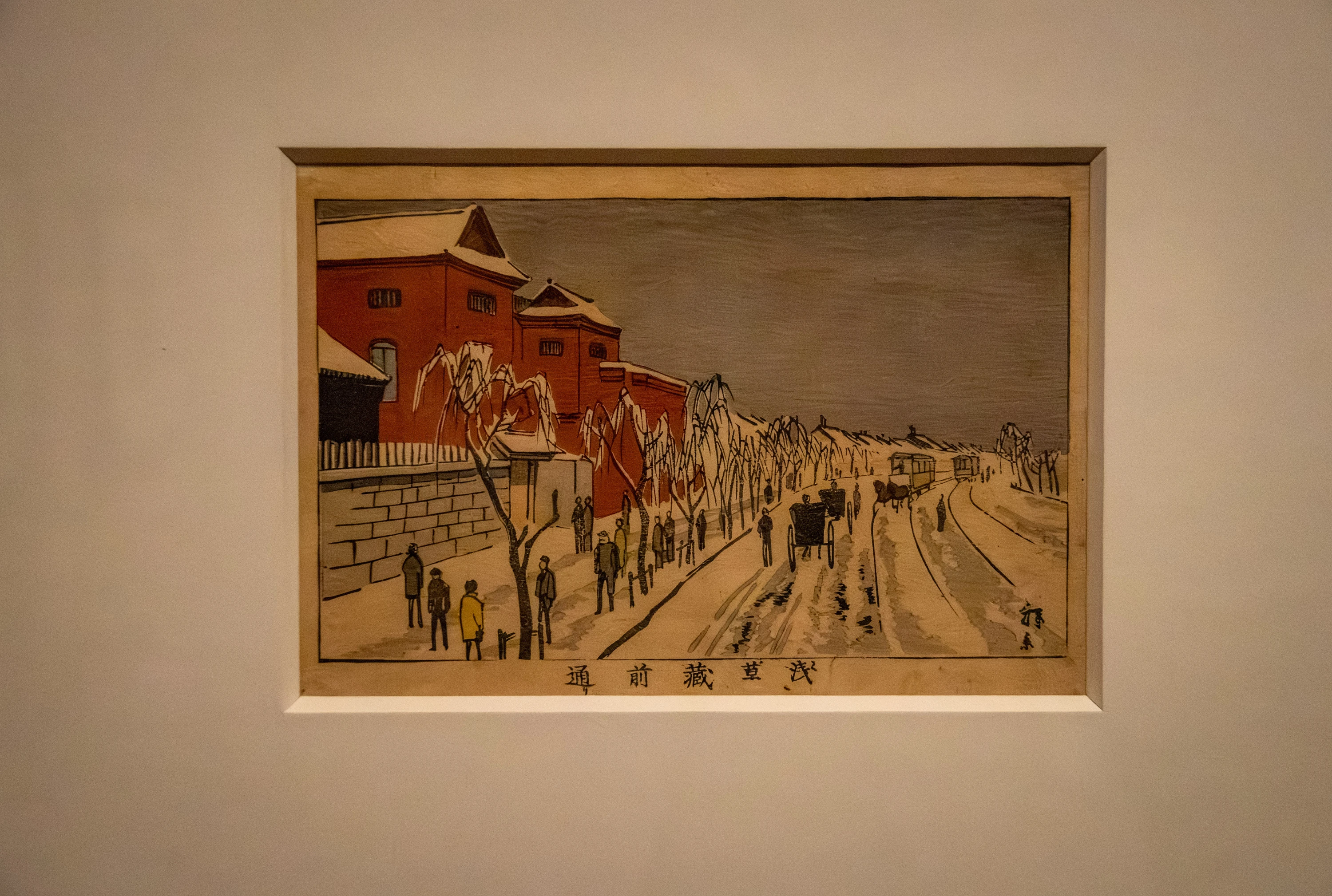
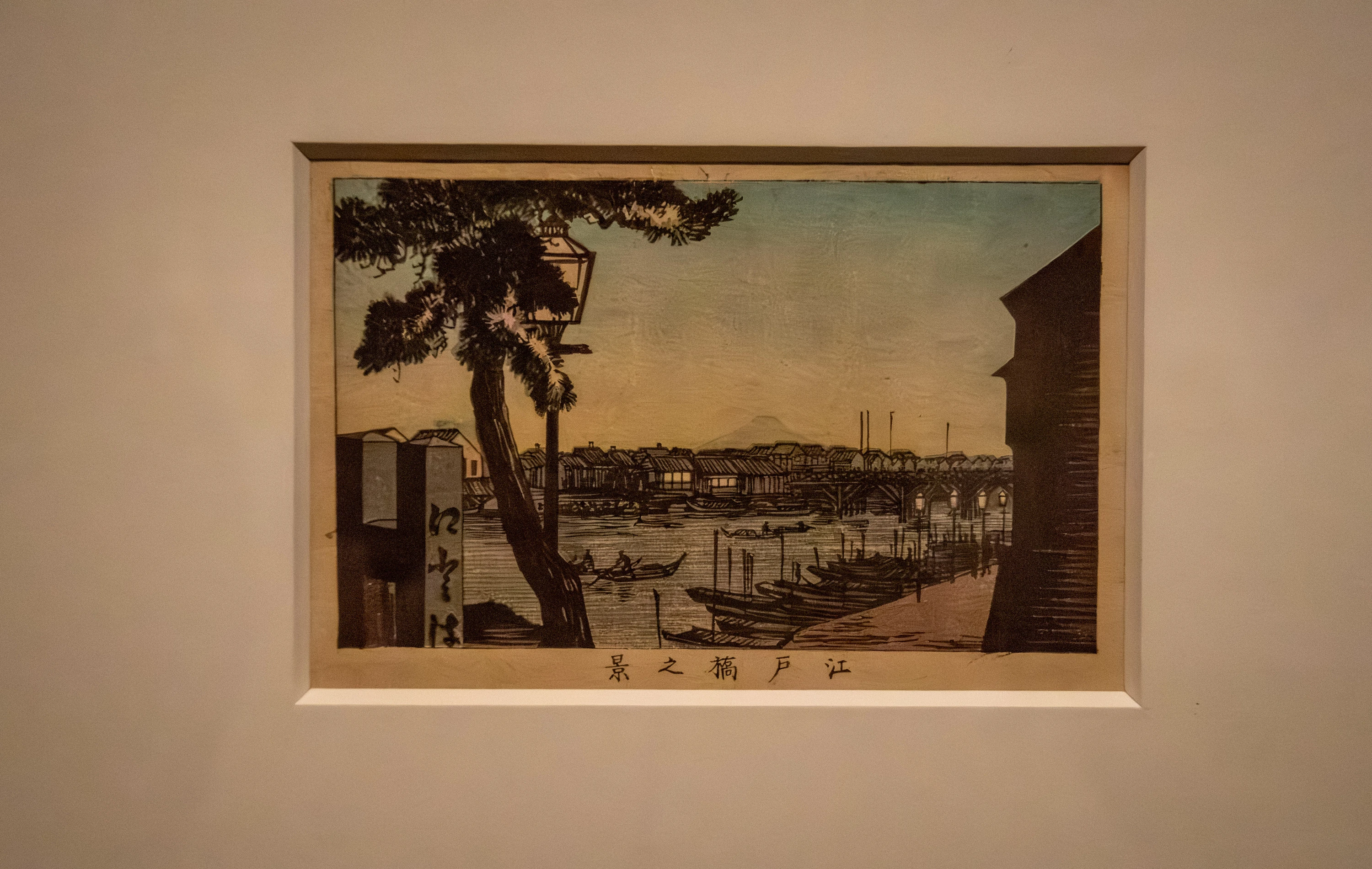
The exhibition opens with the work of Kiyochika Kobayashi (1847–1915), who is often called ‘the last ukiyo-e artist’. A samurai who witnessed the fall of the Tokugawa shogunate in 1868, Kiyochika, as he was known, turned to printmaking soon after that. In 1876, his series Famous Places of Tokyo introduced a radically new sensibility to the artform.
Nicknamed kosenga, or ‘light ray pictures’, his prints are defined by dramatic contrasts of shadow and illumination. Gas lamps glow in misty streets, bridges dissolve into twilight and snow muffles the city’s new brick facades. While many contemporary prints celebrated Westernisation in bright ‘red prints’ (aka-e), Kiyochika’s works linger in dusk. They evoke nostalgia for a disappearing Edo (as Tokyo was known prior to 1868), even as they document Tokyo’s modernisation.
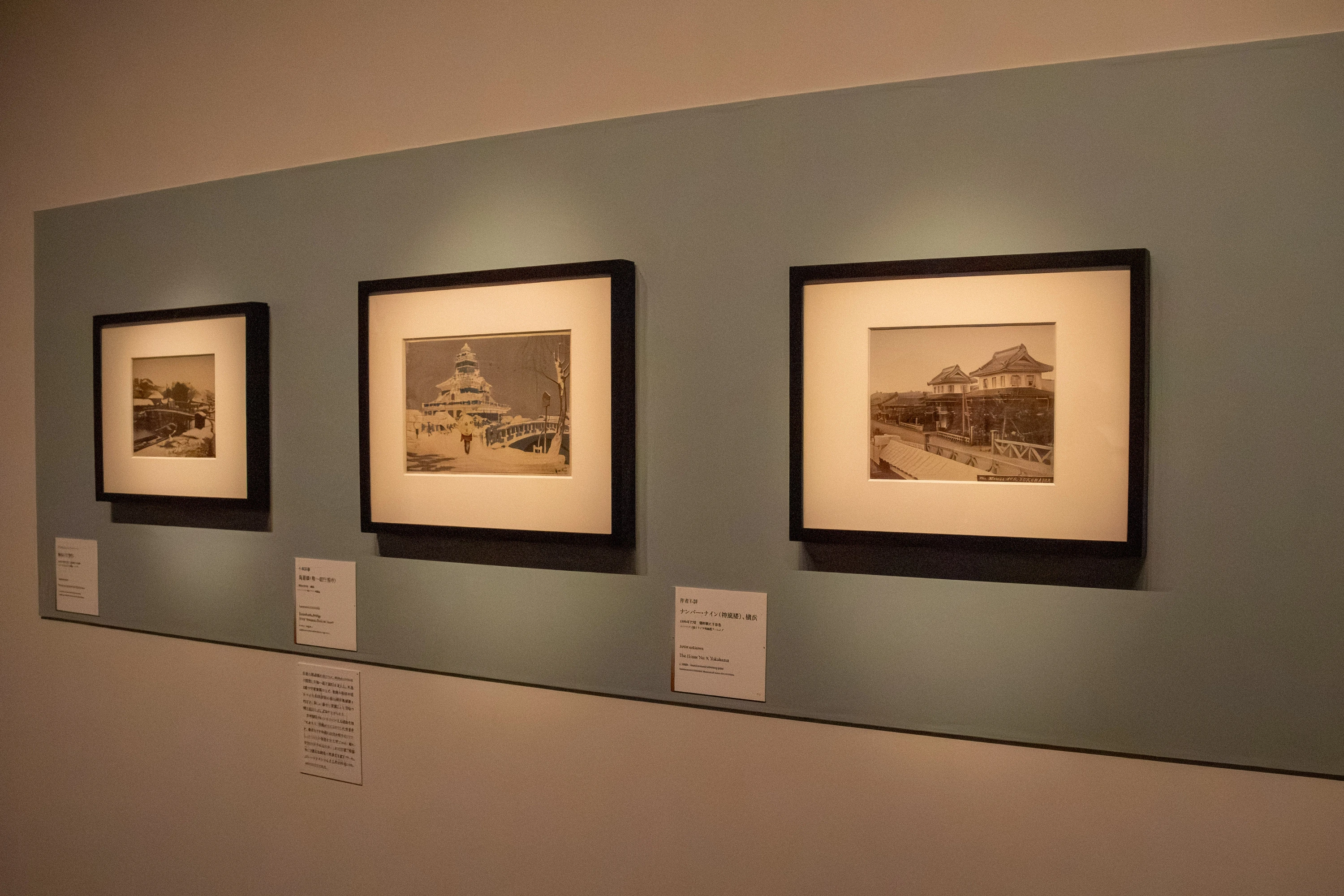
Photography, newly introduced to Japan, played a subtle but crucial role in Kiyochika’s practice. The technology’s emphasis on light and realism influenced printmakers, while simultaneously threatening the commercial viability of woodblock printing. Kiyochika’s atmospheric night scenes stand at this crossroads, absorbing photographic perception into traditional technique.
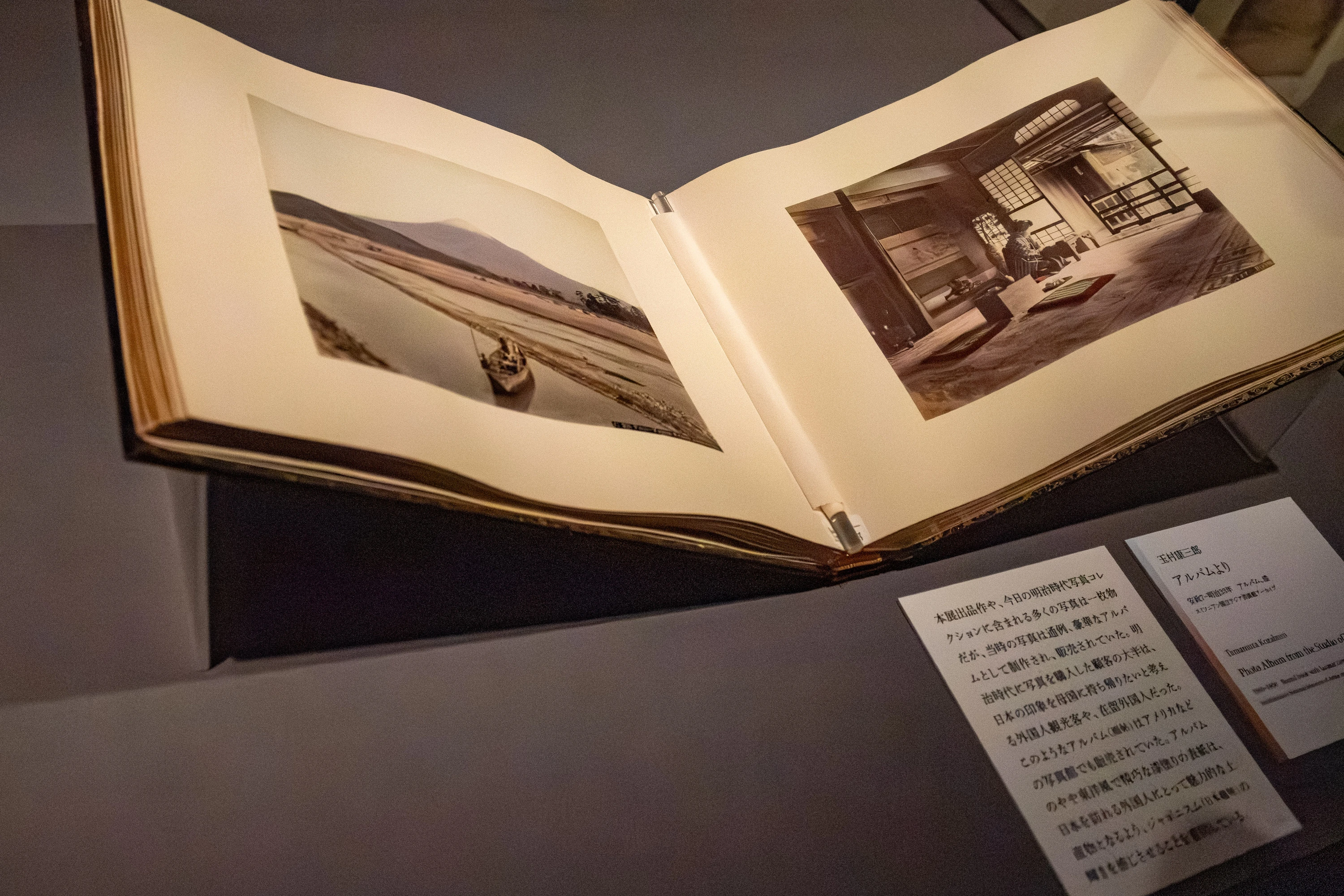
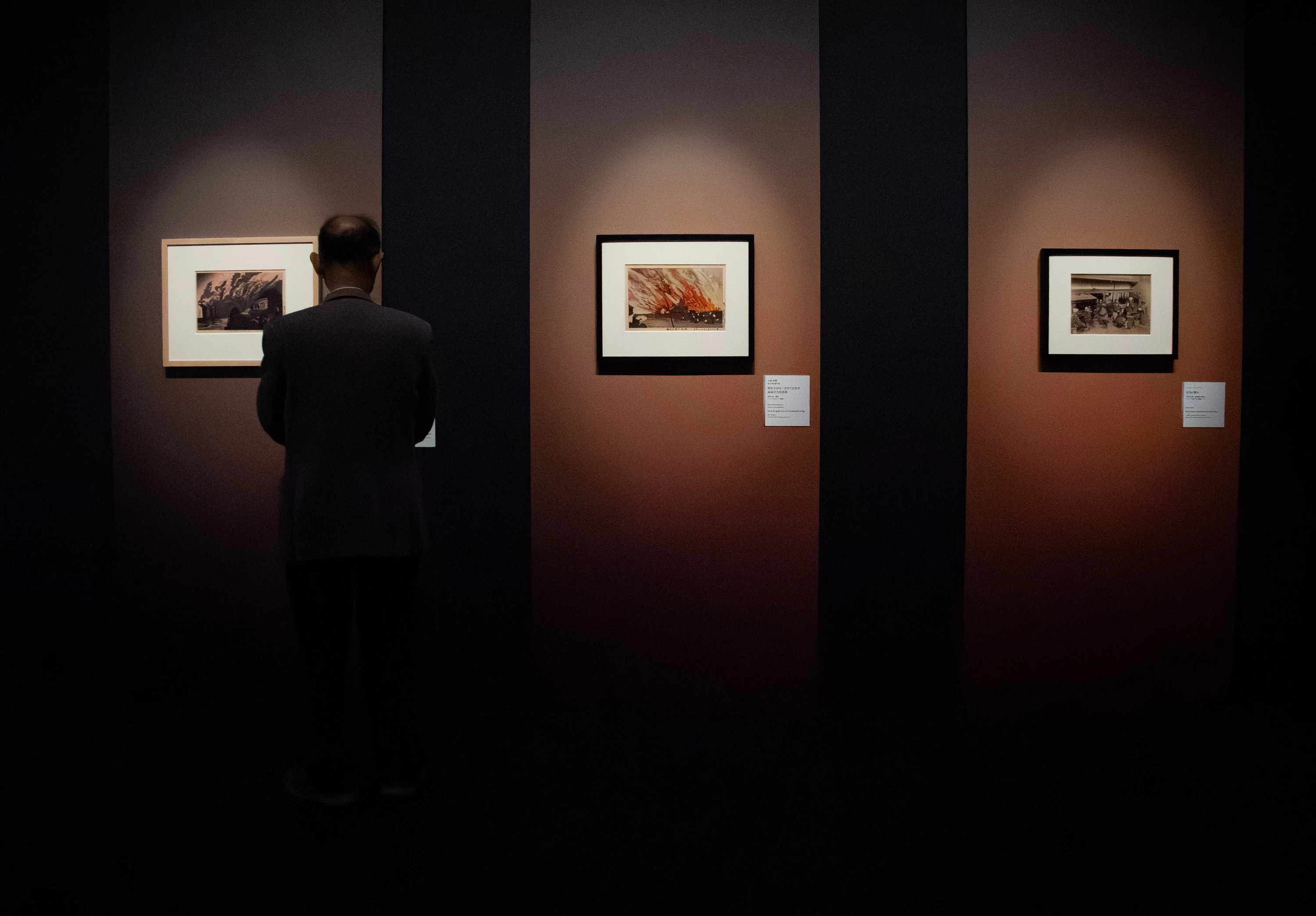
By the late 19th century, photography had begun to eclipse ukiyo-e as the preferred medium for visual reportage, eroding the status that woodblock prints had held for centuries in Japan. War scenes that once required teams of carvers and printers could now be captured instantly by camera. At the same time, Western collectors fuelled the export of Edo-period masterpieces, draining Japan of its finest works.
The exhibition delves into this context by displaying historical photographs alongside prints, revealing a dynamic exchange rather than simple replacement. Photography introduced new compositional strategies and tonal subtleties. Print artists responded with experimentation, pushing colour gradation and atmospheric effects to new heights. Rather than depicting a sudden collapse, the exhibition suggests a gradual ‘twilight’ of ukiyo-e – a fading glow that would ultimately give rise to renewal.
That renewal took shape in the early 20th century with shin-hanga, or ‘new prints’. Central to this revival was the publisher Shozaburo Watanabe, who sought to preserve the collaborative woodblock printing system – artist, carver, printer and publisher, all working toward a shared goal – while adapting its aesthetics to appeal to modern audiences.
Cognisant of international demand and interest, Watanabe positioned shin-hanga as a practice of both tradition and innovation. He worked with Japanese painters trained in both domestic and Western styles, as well as foreign artists such as Charles William Bartlett. Early experiments by artists like Shotei Takahashi laid the groundwork, producing atmospheric landscapes that retained an Edo-era mood while appealing to foreign tastes. Shin-hanga was a calculated reinvention: technically refined, globally oriented and consciously modern.
Among the shin-hanga movement’s most celebrated figures are Hiroshi Yoshida and Hasui Kawase. Yoshida, originally trained as a Western-style painter, brought a cosmopolitan outlook shaped by international travel. His meticulously crafted prints, often self-produced after establishing his own workshop, present Japan’s landscapes with luminous clarity and technical precision.
Kawase, by contrast, became synonymous with poetic atmosphere. Encouraged by Watanabe, he travelled widely across Japan, sketching on site rather than relying solely on famous-place conventions. His snow-laden temples, rain-swept bridges and quiet provincial towns extend Kiyochika’s fascination with mood and light into the 20th century. Revered abroad, his collectors have included figures as unexpected as Steve Jobs, and Hasui’s work eventually regained acclaim at home as well.
Together, these artists demonstrate how shin-hanga reimagined landscape as both national memory and international export.
The exhibition is anchored by the Robert O Muller Collection, assembled over six decades and regarded as one of the world’s finest holdings of shin-hanga. Around 90 of the prints on display are from Washington, while the rest come from the Mitsubishi Ichigokan Museum’s collection. As such, the presentation marks the Smithsonian’s largest-ever outgoing loan of ukiyo-e.
The setting adds resonance. The Mitsubishi Ichigokan Museum, housed in a reconstruction of a late-19th-century Western-style building, echoes the era in which Japan took its first steps toward modernity and global exchange.
‘From Kiyochika to Hasui’ reframes a familiar narrative. Ukiyo-e did not simply vanish under the glare of modernisation. Instead, it entered a period of twilight, absorbing new technologies, responding to international trends, and evolving into shin-hanga.
Through luminous night scenes, depictions of snowbound temples and dramatically captured rain-darkened streets, the exhibition celebrates a lineage of artists who transformed loss into innovation.
‘From Kiyochika to Hasui: Ukiyo-e and Shin-Hanga Woodblock Prints from the Smithsonian’s National Museum of Asian Art’ is on at the Mitsubishi Ichigokan Museum, Tokyo until May 24. The exhibition is closed on most Mondays.
More from Time Out Tokyo
Here's the official Japan cherry blossom forecast for 2026 – updated Feb 19
Four Seasons Hotel Tokyo at Marunouchi is re-opening this April – reservations are now available
Calling all the monsters: Kawaii Monster is back in Harajuku
The world's largest immersive Pixar exhibition is coming to Tokyo in March
The stunning Dior Bamboo Pavilion in Daikayama is now open
Want to be the first to know what’s cool in Tokyo? Sign up to our newsletter for the latest updates from Tokyo and Japan.
Discover Time Out original video