[category]
[title]
The Wondabyne to Patonga hike takes you past a stunning waterfall, up to a mountain campsite and finishes at a pub on dreamy sheltered beach


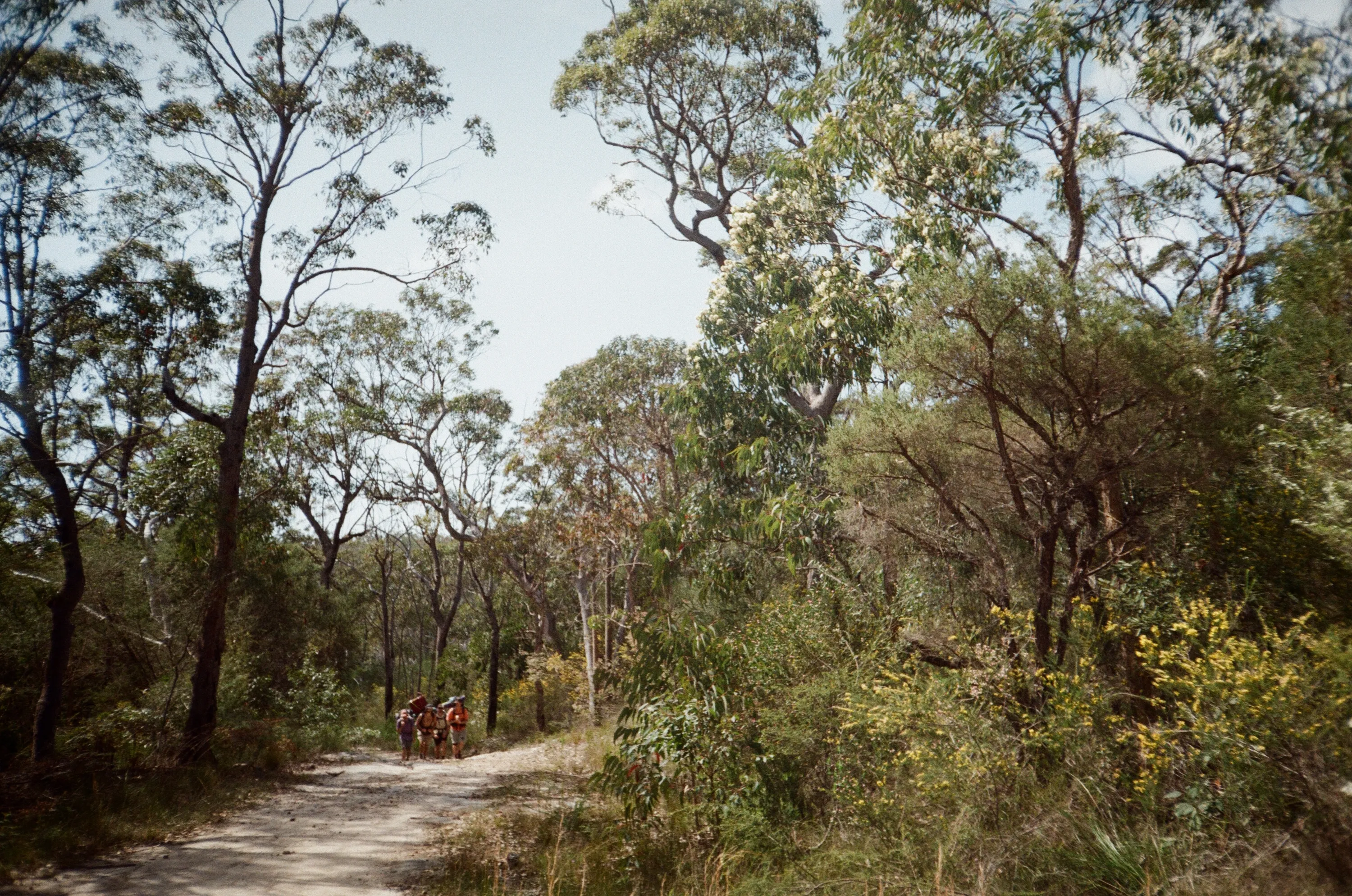
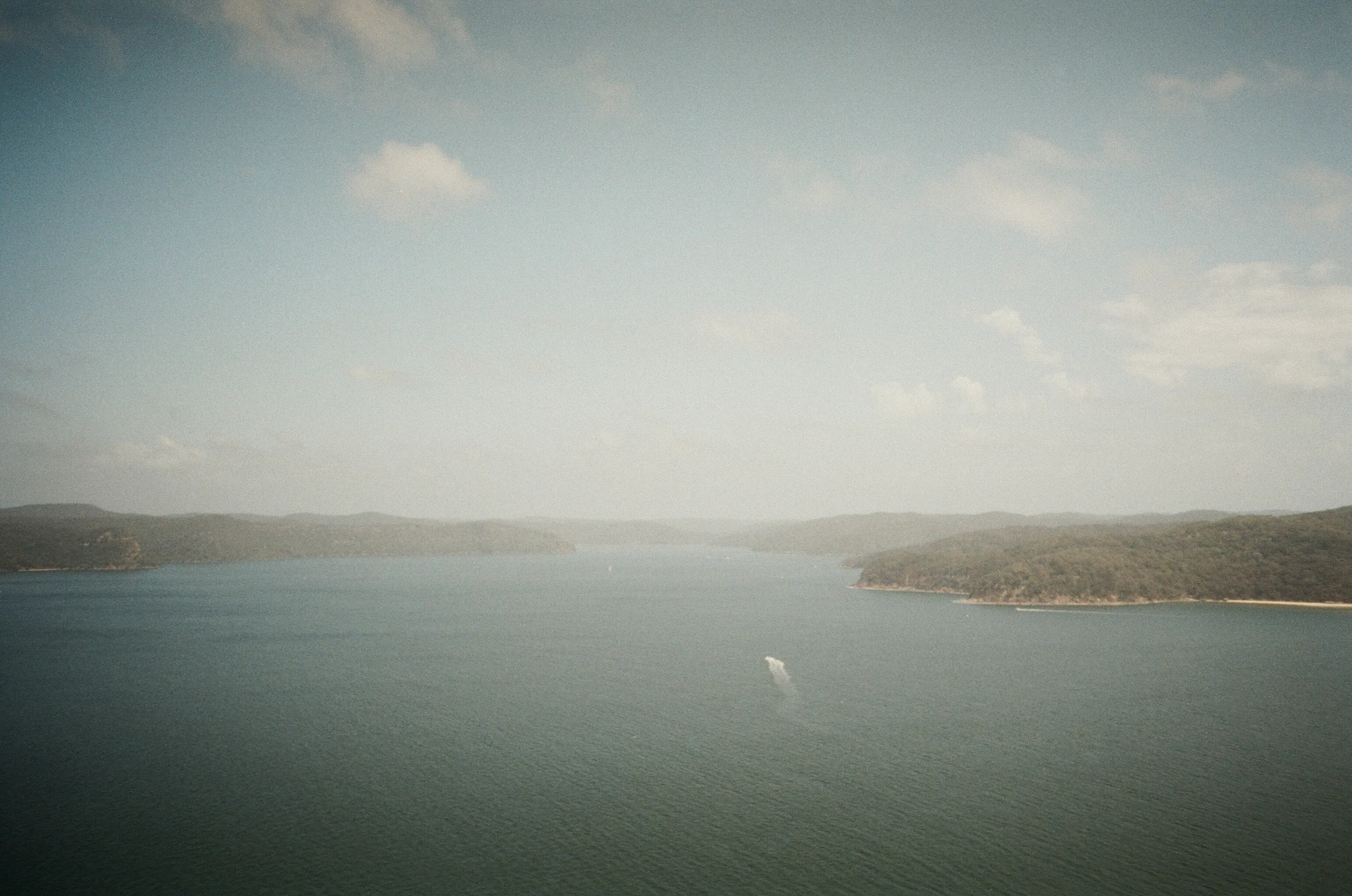
Back in September, when the sticky heat of summer was just a promise, a group of my friends packed our hiking backpacks and boarded a train north out of the city. We were setting off on one of the Sydney area’s most accessible overnight hikes – a two-day trail that traces its way past magical waterfalls, along rocky outcrops, and winds up on the shores of a gorgeous sheltered beach. With its perfectly positioned swimming spots, secluded hilltop campground and (crucially) on-point end-of-walk pub, the Wondabyne to Patonga hike is the perfect overnight hike for beginners. If 2026 is the year you become a hiker, this trail just outside the city is the perfect place to start*.
This hike runs through Brisbane Water National Park on the NSW Central Coast, threading its way between the Hawkesbury River hamlet of Wondabyne and the beachside village of Patonga.
The adventure starts with a novelty: Wondabyne is Australia’s smallest train station (the only train station accessible by boat or on foot), and trains only stop if you ask. Hop on the Central Coast and Newcastle Line from Sydney, let the guard know you want to get off at Wondabyne, then step straight from the train into the bush. Once you’ve finished the hike the following day, Patonga is an easy 90-minute drive back to Sydney, or you can catch a ferry over to Palm Beach and jump on a bus back to the city.
All in, the hike is around 23 kilometres – so if you’re feeling super fit, it’s possible to complete the whole thing in a day. For a cruisy experience (and a fun mountain camp), we’d suggest completing it over two days – that way you can arrive at Patonga with plenty of time for a long lunch by the water.
The first stretch of the hike, from Wondabyne to the Mount Wondabyne bush campsite, is about 11 kilometres (roughly half of the total distance). It’s a solid day on the trail with moderate rocky scrambles and a gorgeous waterfall a few hours in – the perfect spot for a swim and some lunch. From there, you’ll climb up Mount Wondabyne to the campsite, where you can pitch your tent and watch the sun set over the valley and behind the Blue Mountains in the distance.
The walk from the campground to Patonga is also around 11–12 kilometres – the slightly longer (but more gentle) half of the journey. This part mostly winds along wide dusty paths and finishes with a coastal trail that takes you to the beautiful sheltered shores of Patonga.
The Mount Wondabyne bush campground is basic but beautiful, with partially shady sites surrounded by rocky outcrops with far-reaching views. There’s a toilet and a water tap for washing dishes, but no drinking water – so make sure you pack enough water for the two days on the trail.
No booking is required to walk the trail itself, but camping at Mount Wondabyne must be booked in advance via NSW National Parks. Spots on the campsite are limited, especially on weekends and during warmer months, so it’s worth planning ahead unless you’re up for tackling the whole hike in one day. If you’re willing to splash out on a luxe end to your walk, we’d suggest booking a room at The Boathouse Hotel Patonga.
Autumn and spring are ideal, with cooler days and generally clear skies. Summer hikes are best started early to beat the heat, while winter brings crisp mornings, quieter trails, and surprisingly good swimming once the sun’s out. Summer can see some areas of the park close due to fire risk, so check the NSW National Parks website before you go.
*A moderate level of fitness is required to attempt any hike. Before committing to a multi-day trail, make sure to practice with a few shorter routes in and around the city.
Stay in the loop: sign up for our free Time Out Sydney newsletter for more news, travel inspo and activity ideas, straight to your inbox.
Discover Time Out original video