

[title]
Studio 54 may be synonymous with disco balls, Bianca Jagger and a guest list more exclusive than a table at 4 Charles, but the legendary West 53rd Street venue could soon get a thoroughly 21st-century makeover—one designed for Broadway rather than the dance floor.
Manhattan Borough President Brad Hoylman-Sigal has recommended approval of a land-use application that would pave the way for Roundabout Theatre Company to carry out a $105 million rehabilitation of the landmarked Studio 54 Theater at 229 West 53rd Street.
Roundabout, which has operated the venue since staging Cabaret there in 1998 and purchased it in 2003, wants to overhaul a building whose theatrical bones have long been held together by backstage ingenuity. The theater currently lacks a permanent stage and orchestra pit, meaning temporary stages must be installed for productions and musicians can end up performing onstage.
RECOMMENDED: Broadway review: The Rocky Horror Show at Studio 54 is deliciously warped and timely
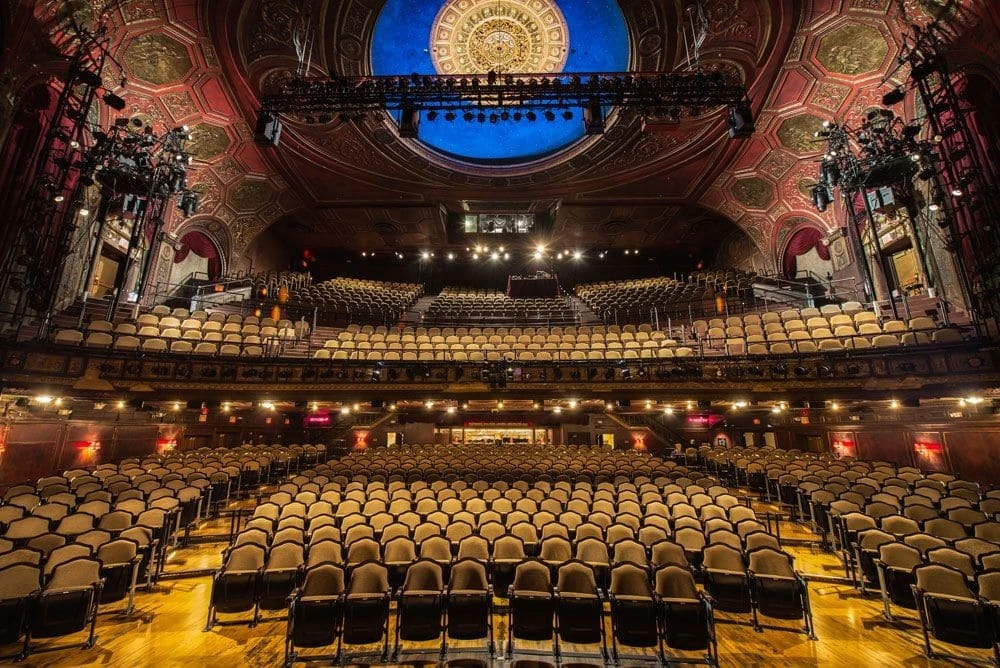
The proposed renovation would restore both, along with a new stage-trap system, upgraded rigging, lighting, sound and multimedia infrastructure. Audiences would get reconfigured orchestra and balcony seating with better sightlines, more room to move and improved accessibility. Plans also call for a larger lobby, relocated bar and concessions, expanded restrooms, lounge spaces and a multi-stop elevator.
Backstage, the project would rework the wings and cellar level to create more functional support areas for artists and crews. The building’s aging mechanical, electrical and plumbing systems would also be updated to improve ventilation, safety and energy efficiency.
“Studio 54 is critical to its future as one of Broadway’s great theatres and to what artists can create there for decades to come,” Roundabout artistic director Christopher Ashley said in a statement. “This project expands what is possible on that stage, for musical theatre and for the range of work we create.”
The application could affect more than one storied address: It also seeks a zoning text amendment and a special permit that would allow Studio 54 to generate development-rights bonuses through the rehabilitation, then transfer unused bonus floor area to eligible sites elsewhere in the Theater Subdistrict. The theater could generate roughly 188,000 square feet of bonus floor area; a future transfer could contribute up to $4.6 million to the Theater Subdistrict Fund, which supports theater-industry grants.
Community Board 5 voted 39–0–2 in July to recommend approval. Hoylman-Sigal has also committed $1 million toward the project.
Studio 54’s former nightlife reign may remain safely in the history books, but if the proposal clears its remaining public-review hurdles, the venue’s next act could be its most practical (and potentially its most durable).