

[image]
[title]For most of their history, the Olympics have been hosted by single cities around the world. The 25th Winter Games, running from February 6 to February 22 (with the Paralympics following in March), are doing things differently. For the first time, two destinations will share the spotlight: Milan and Cortina d’Ampezzo, in Italy.
The split is no accident. The IOC (International Olympic Committee) is encouraging regional and multi-venue hosting going forward, from the 2030 Winter Games in the French Alps to the 2034 edition in Salt Lake City, Utah, aiming to boost sustainability, cut costs and make better use of existing world-class venues.
Which means one thing: come February, all eyes will be on both city streets and snow-covered slopes.
So, planning to catch some of the action in person? Here’s everything you need to know before you go, from where events take place to the best ways to get around.
📍 RECOMMENDED: Discover the best things to do in Milan
What are the Winter Olympics?
A quick refresher, just in case: the Winter Olympics are the cold-weather cousin of the Summer Games. They take place every four years and bring together the world’s best athletes to compete in sports played on snow and ice, from downhill skiing and snowboarding to figure skating and ice hockey.
First held in Chamonix in 1924, the Games turn winter sports into a global spectacle, complete with medals, national pride and plenty of drama, all played out on frozen rinks and snowy slopes.
Where are the 2026 games happening?
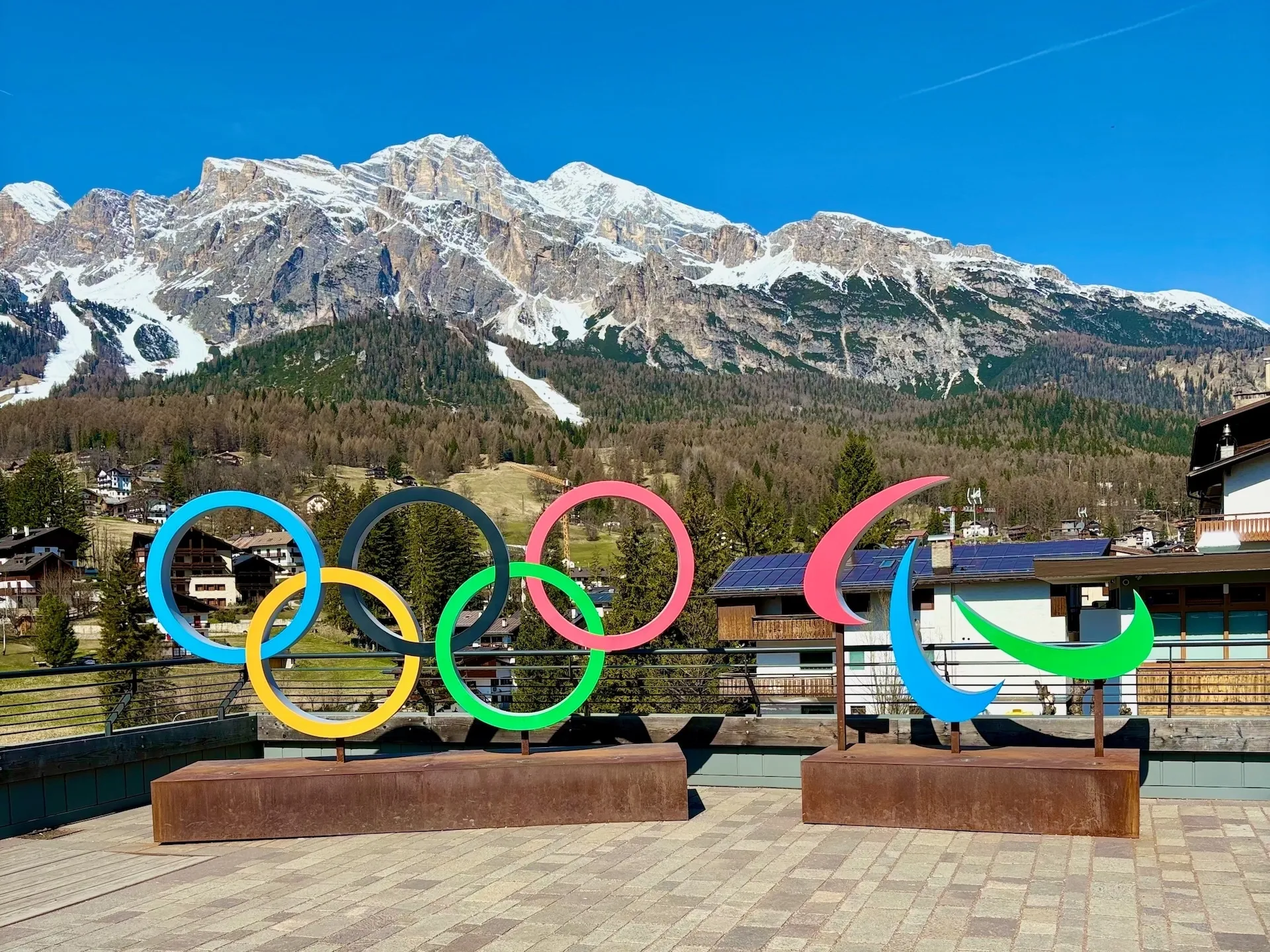
Thanks to the co-hosting setup, events are spread between Milan and Cortina d’Ampezzo, with a few extra icy stops dotted across northern Italy. Milan hosts ice sports: figure skating and short track speed skating at the Unipol Forum di Assago, speed skating at the Fiera Milano Rho exhibition centre, and ice hockey, both at Rho Fiera and the new Arena Santa Giulia.
Cortina d’Ampezzo leads the mountain programme, hosting headline alpine events alongside sliding sports such as bobsleigh and luge. High-speed downhill racing takes over in Bormio, Livigno becomes the freestyle hub for snowboarding and freeskiing (both are in Valtellina), Val di Fiemme in Trentino stages Nordic events including ski jumping and cross-country, and Anterselva in South Tyrol is dedicated to the biathlon.
All of these places are easily reachable from Bolzano or Milan – more on that below.
How do I get to the different venues?
Getting around during the Games should be relatively straightforward. Major transport upgrades done specifically for the Olympics mean shuttle services will link Milan with key Alpine towns, competition venues and park-and-ride hubs, offering an easy alternative to driving on busy event days.
In the city, Milan’s public transport network has been strengthened with new electric metro trains and extra rail services across northern Italy. Trains run frequently between Milan and mountain areas including the Valtellina, making it possible to reach many venues without a car. As always during major events, booking ahead is strongly recommended.
Can I still get tickets for the Winter Olympics in Milan?
Yes. Tickets for the Milano Cortina 2026 Winter Olympics went on sale earlier this year, and while some high-demand events have sold out, plenty of sessions still have availability. All tickets must be bought directly through the official Milano Cortina 2026 website, with sales running on a first come, first served basis.
Prices vary widely. Opening and closing ceremony tickets can cost several hundred euros, but many sporting events start at around €30 and typically stay under €100. If your first choice is unavailable, it’s worth checking back regularly, as tickets for different sessions are released over time. Official hospitality packages are also available if you’re after a more premium experience.
Read Time Out’s full guide to the Winter Olympics 2026 torch relay!
No tickets to the ceremonies? Milan has you covered.
Beyond the Games, Milan’s calendar keeps moving. Catch a show at Teatro alla Scala, book an evening exhibition at PAC (Padiglione d’Arte Contemporanea), or head to the Navigli for drinks and people-watching as the city slips into night mode. And if you just want to soak up the buzz, a wander through the neighbourhoods of Brera, Porta Venezia or Porta Romana is often all it takes.
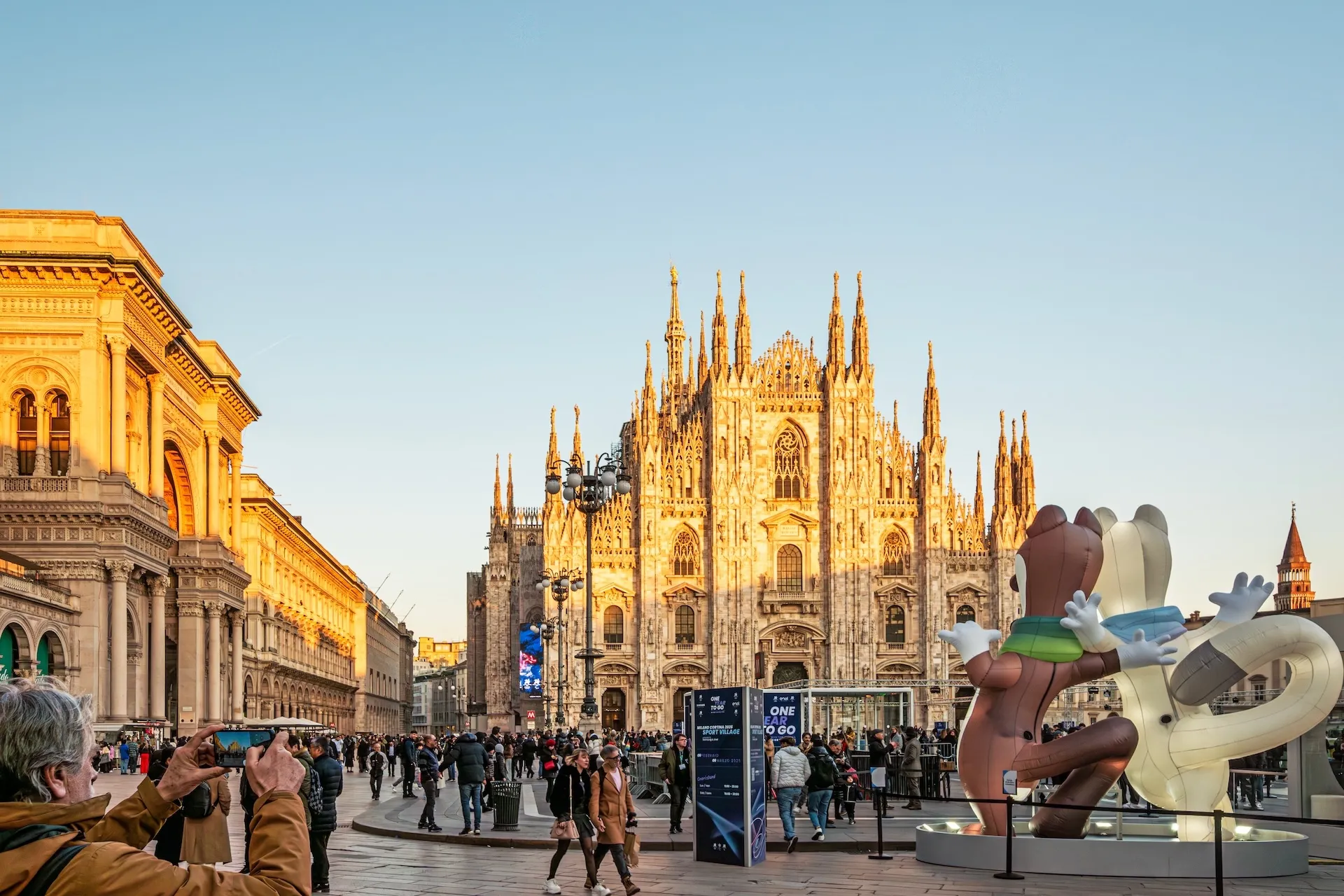
Where can I watch the Winter Olympics in Milan?
While an official venue list isn’t out yet, official fan zones and public screenings across Milan will show events live on big screens, turning the city into one giant Olympic watch party.
Where should I stay in Milan for the Winter Olympics?
That depends on how close to the action you want to be. Milan’s public transport makes it easy to get around – you can often get from one side of the city to the other in under 30 minutes by subway – meaning you don’t need to stay next to the stadiums to make the most of the Games.
Neighbourhoods like Porta Venezia, Isola or Navigli are lively, well served by subway lines and usually quite affordable, making them solid bases during the Games (Navigli, in particular, is the closest nice district to the Unipol Forum di Assago).
Brera and the historic centre offer atmosphere, dining and culture on your doorstep, but expect higher hotel rates.
Need a little more guidance? Our neighbourhood guide breaks down what each area does best, from nightlife to food and transport links.
Useful info and tips for visiting
- Milan stays busy at the best of times, and during the Winter Olympics the city will be operating at full tilt. Expect extra crowds around major transport hubs and event venues, particularly in the early evenings, and plan dinners and shows a little further ahead than usual.
- Getting around is easiest by metro, tram or bus. Milan’s public transport is fast, frequent and contactless-friendly, and often quicker than taxis when the city is buzzing with Olympic traffic.
- If you’re mixing sport with socialising, lean into local habits. Aperitivo kicks off early and restaurants fill fast, so booking ahead is a smart move.
- Most importantly, stay flexible. Event schedules shift, celebrations spill into the streets and the city has a habit of turning everyday moments into something a little bigger during major occasions. Consider it all part of the Games experience.
Read Time Out’s top 19 travel tips for visiting Milan or our non-touristy things to do suggestions.
More essentials for visiting Milan
🍴 The best restaurants in Milan
🏠 The best Airbnbs in Milan
🏨 The best hotels in Milan
🛍️ The best shopping in Milan
📍 Ultimate guide to what to do in Milan