[category]
[title]
The Murrup Biik – Royal Park Master Plan proposes creating more than 40,000 square metres of additional parkland, plus new trails, lighting and more


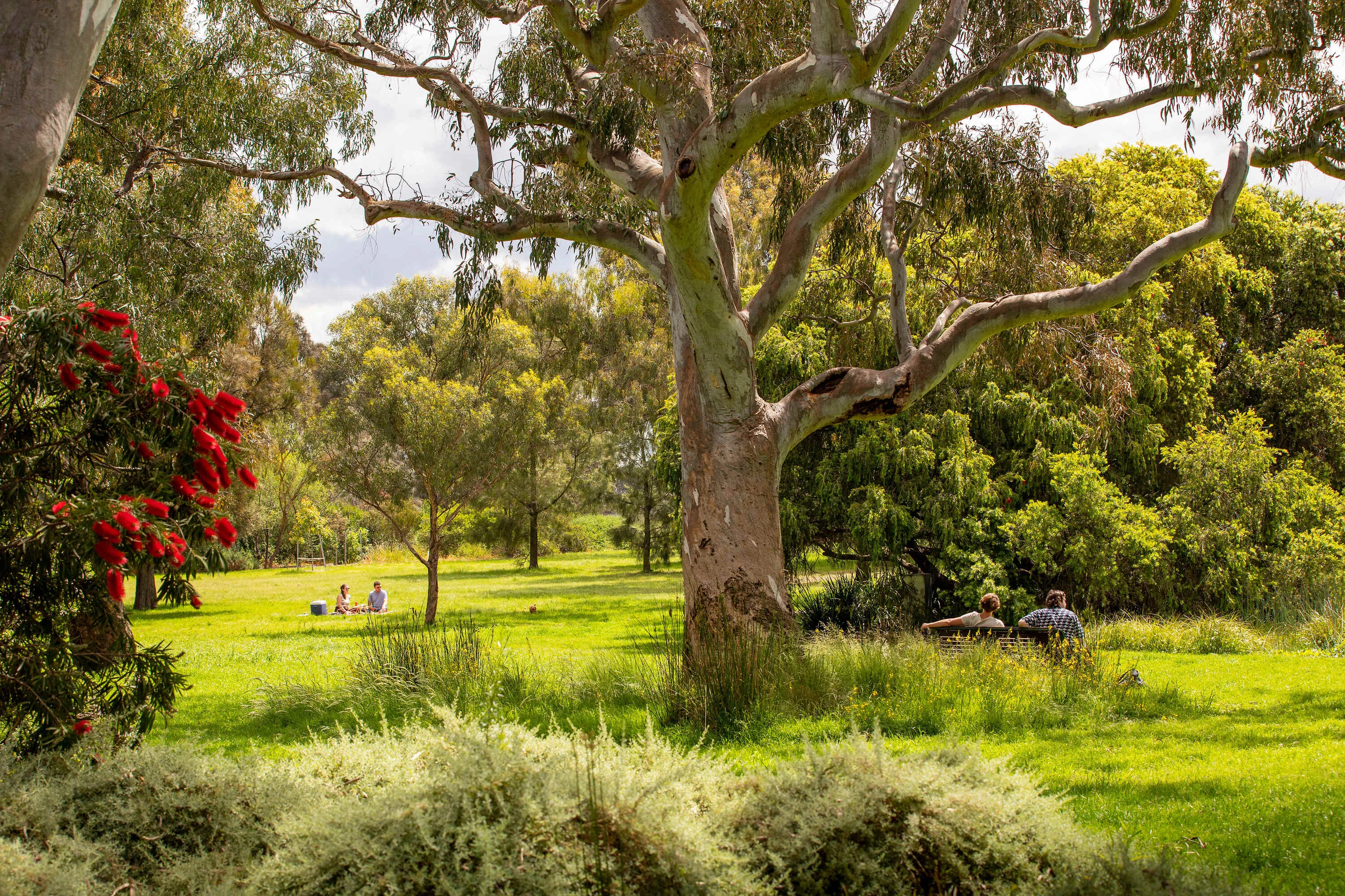
Melbourne’s biggest park is getting a major makeover, with a new 20-year master plan promising more parkland, more native habitat and better ways to explore the beloved pocket of green that is Royal Park. Following three years of community consultation and expert review, the City of Melbourne has just endorsed the Murrup Biik – Royal Park Master Plan – and from what we can tell, the long-term vision is all about restoring the area’s natural landscape, making it a safer space for both people and wildlife.
According to the City of Melbourne, more than 40,000 people currently visit Royal Park every day – with that figure expected to climb to 55,000 by 2046. The master plan proposes creating more than 40,000 square metres of additional parkland, bringing the park closer to its original 1840s footprint and making room for Melbourne’s growing population.
But this isn’t just about giving Melburnians more space to picnic. A major focus of the plan is restoring Royal Park’s biodiversity, with expanded native habitat and stronger ecological connections designed to give local plants and animals more room to thrive. Royal Park is already home to around 1,000 species of plants and animals, including 29 threatened species, so there’s plenty worth protecting, and according to the team behind the project, the changes could eventually help hundreds of native species return.
The plan also proposes a new lighting framework, designed to make the park safer after dark without compromising its wildlife or night sky. On the activities front, there are plans to improve walking and cycling trails and make it easier for both people and wildlife to move between different areas, and existing sports fields will be used more flexibly (for organised sport alongside other recreational activities).
There’s a strong cultural component, too, with the master plan recommending that Royal Park’s enduring connection to Aboriginal culture be better recognised – including by exploring a new name in Woi-wurrung language. New water bodies and water sources have also been proposed, helping to cool the park and create additional habitats for wildlife.
Overall, it's a pretty significant evolution for a park that has already been through several transformations. Royal Park’s previous master plans, adopted in 1984 and 1997, were both considered visionary for their time, particularly in their efforts to reimagine a native Australian landscape within an urban park. Now, the City of Melbourne is thinking further ahead.
“Royal Park is Melbourne's largest park and a defining part of our Garden City. As our city grows, so does the need to protect and improve this vital green space,” says Lord Mayor Nick Reece. “The best master plans look beyond today’s challenges. This vision will evolve over time, and we’ll continue working with the community every step of the way.”
If all goes to plan, Melbourne’s biggest park could look a whole lot greener, wilder and more accessible by the time 2046 rolls around. You can learn more about the vision over here.
Stay in the loop: sign up for our free Time Out Melbourne newsletter for the best of the city, straight to your inbox.
Discover Time Out original video