[category]
[title]
These are some of our favorite of Chicago’s nearly 500 official landmarks.


Did you know that Chicago is home to 498 official landmarks? From the city’s northern edge to the Far South Side, Chicago is dotted with historic official sites, many of which are open to the public.
There’s a landmark located in a majority of the 77 neighborhoods (54, to be exact), and all of them are formally protected from demolition. From libraries and sacred sites to theaters, private homes and even a handful of architecturally significant firehouses, Chicago’s long list of landmarks all have "a special historical, community, architectural or aesthetic interest or value to the City of Chicago and its citizens," according to the Chicago Landmarks Ordinance, adopted in 1968.
Whether you missed the free architectural fair Open House Chicago or want to learn more about the city’s rich history of landmarked buildings, there’s plenty to discover. We recommend checking out nonprofit Preservation Chicago’s Landmark Designation Report for a thorough and well-researched deep dive, plus an easy-to-use map. But with nearly 500 officially landmarked sites, where does one begin?
RECOMMENDED: This unique Chicago walking tour tells the city’s history one brick at a time
We’ve combed through the complete repertoire of Chicago landmarks and have curated a list of the seven must-see sites that you can visit. And if you think it’s just old-timey houses and nondescript buildings, think again.
View this post on Instagram
Yes, you’re still reading a list of Chicago landmarks. The only fast-food chain on the list, White Castle #16 on the Near South Side was built in 1930 and was designated as an official landmark in 2011. The designation report says, "The building is an early important example of early 20th-century 'programmatic' architecture—visually distinctive buildings that served as bricks-and-mortar advertising for companies, often through visual cues that tied into a company's values or image, or, in some instances, even 'mimicked' the actual products sold from the buildings."
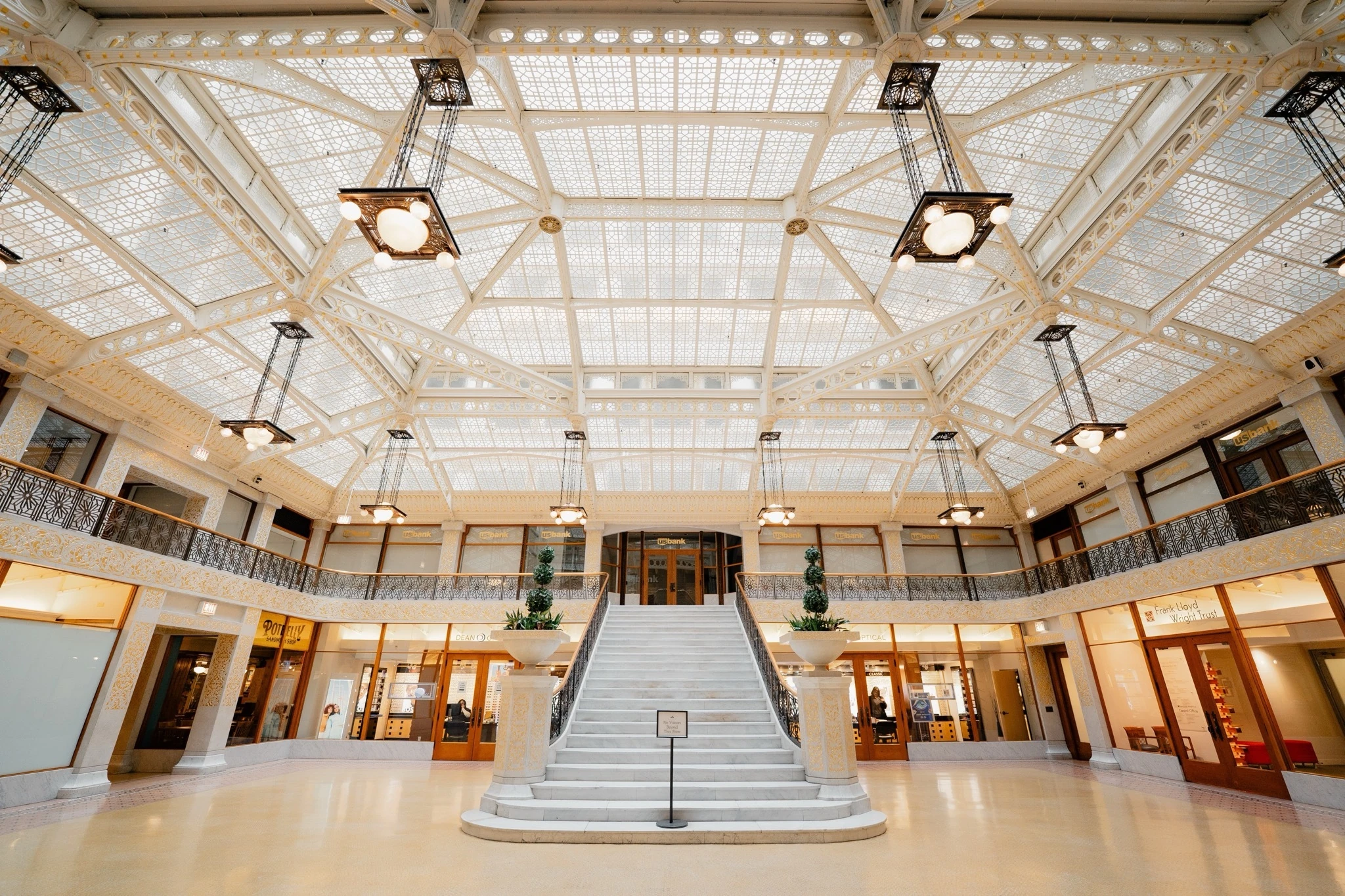
Built in 1888 shortly after the Great Chicago Fire, the Rookery is the city’s oldest high-rise. The Loop building was remodeled by Frank Lloyd Wright in 1905, who maintained much of the original design’s grandeur and implemented elements of his signature style. The result is a luxurious architectural gem that’s home to one of Chicago’s most beautiful lobbies.
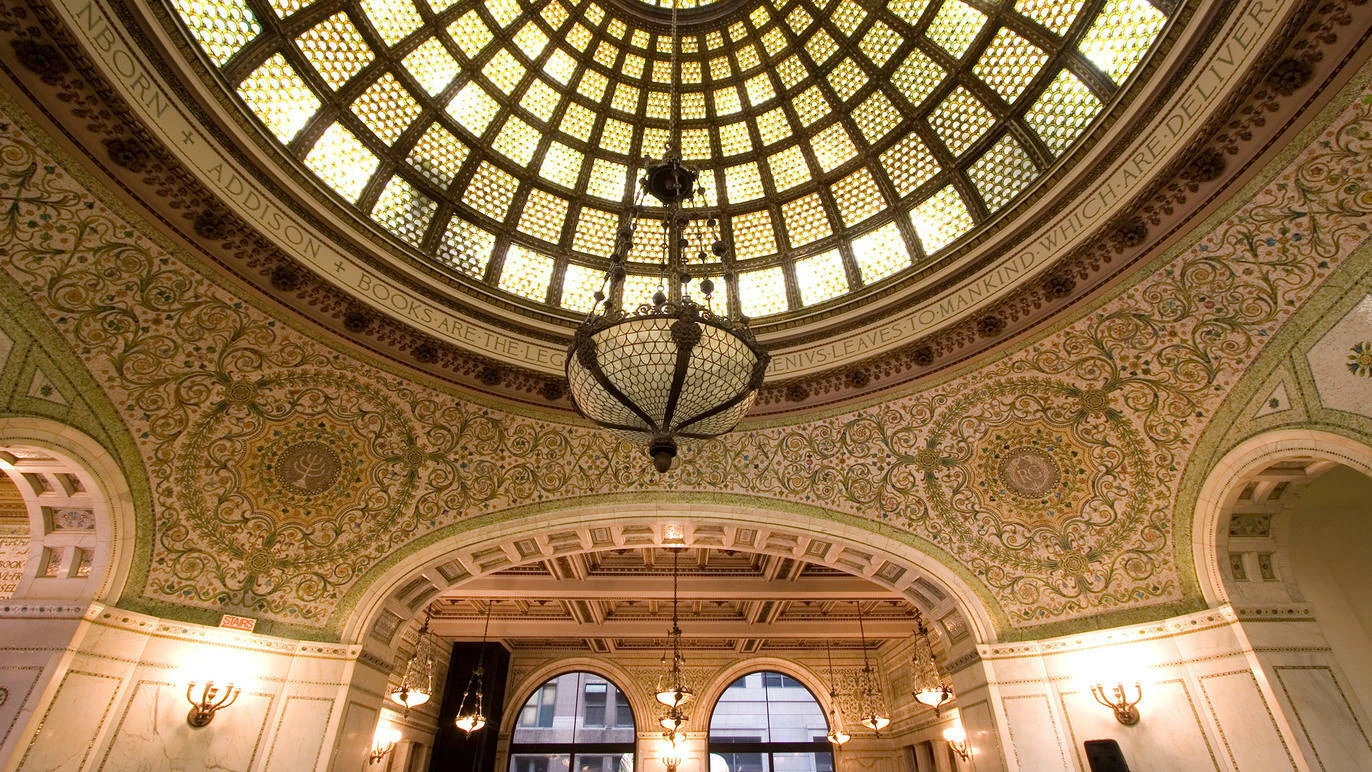
The Chicago Cultural Center was built in 1897 as the first Chicago Public Library location. The design, which features the world’s largest Tiffany dome, incorporates elements seen in Italian Renaissance architecture like marble wainscoted walls and a grand staircase made of white Carrara marble. There’s no cost to enter, and on any given day, you might encounter a free music performance, dance show, film screening, lecture or art exhibit.
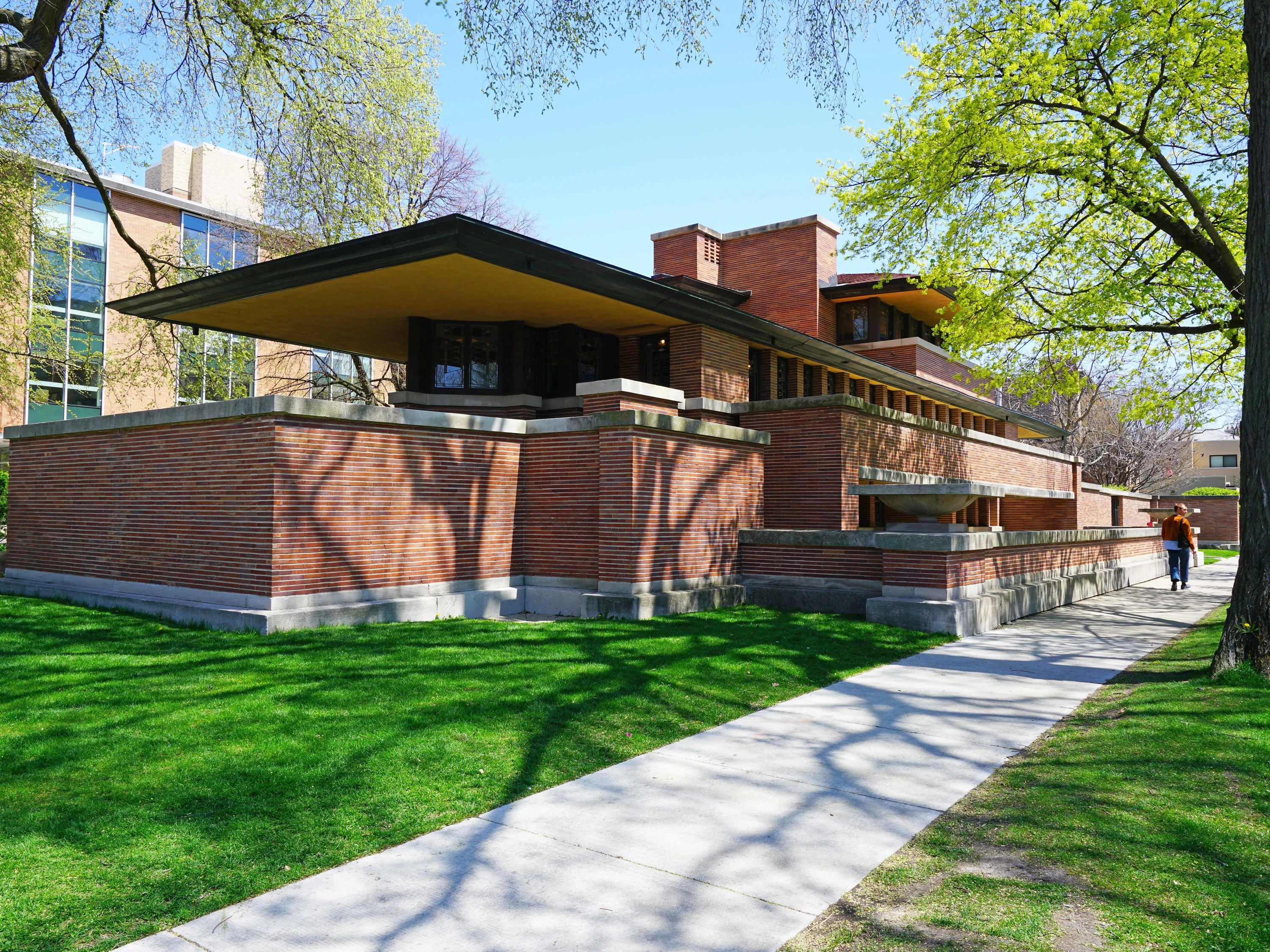
Architect Frank Lloyd Wright once described this Hyde Park home as "a cornerstone of modern architecture," and it still lives up to the self-imposed reputation. Although it fell into disrepair and was slated for demolition on more than one occasion, it was one of the last buildings conceived in Wright’s suburban Oak Park studio and is considered a prime example of his iconic Prairie style. Named an official landmark in 1971, the Robie House is open to the public for guided and self-guided tours.
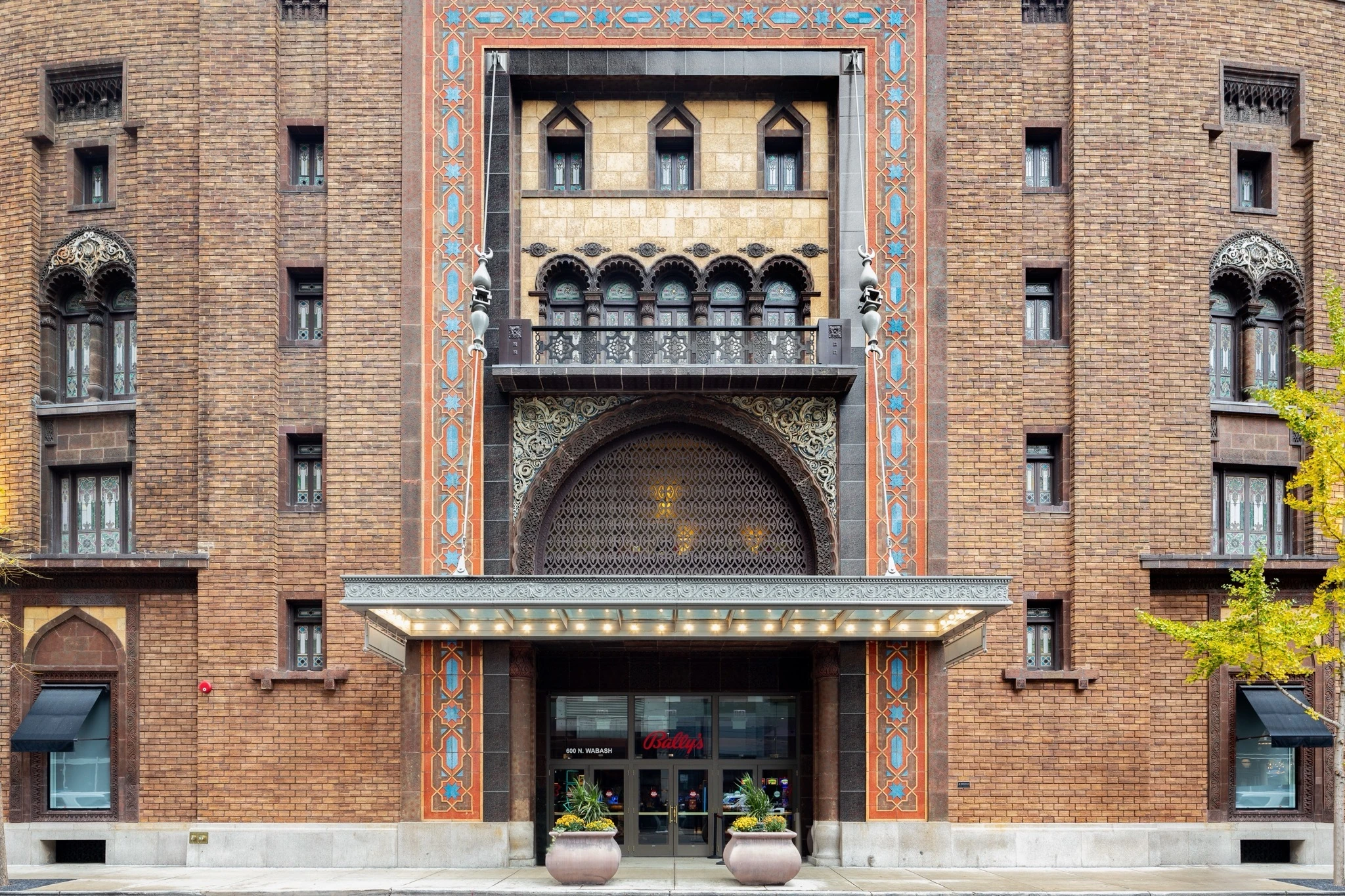
Built in 1912 as a Moorish-style meeting space for the Chicago chapter of Medinah Shriners, the four-story Medinah Temple once housed a 4,000-seat auditorium that hosted events like circuses, parties and ice shows. Today, it’s home to the temporary Bally’s Casino. According to the designation report, it is considered "one of the nation's finest examples of an Islamic-style temple."
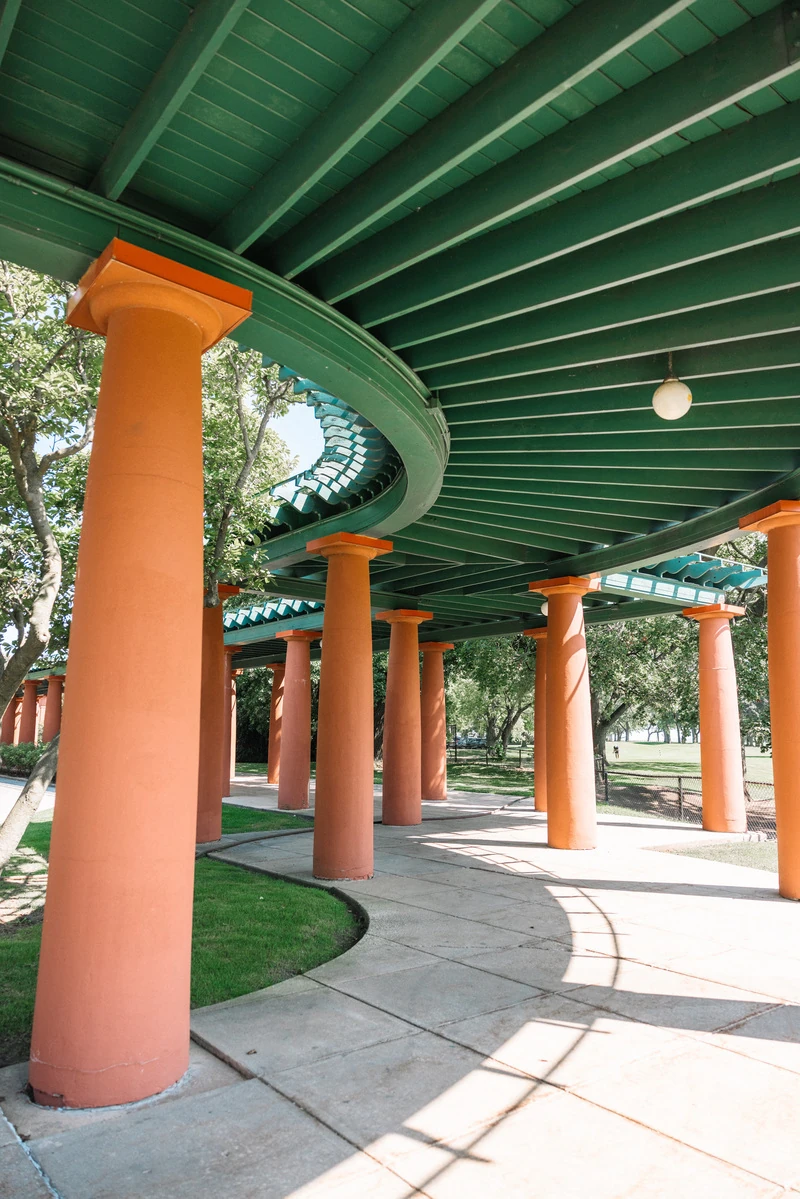
The country-club-like South Shore Cultural Center spans more than 70 acres, complete with a golf course, tennis courts, a nature sanctuary, theater, dining hall and more. Named an official Chicago landmark in 2004, this cultural hub is praised in the designation report for its "unique site and dramatic architecture" and for being a "distinctive intact example of resort architecture in Chicago, in the exotic-for-Chicago Mediterranean Revival style."
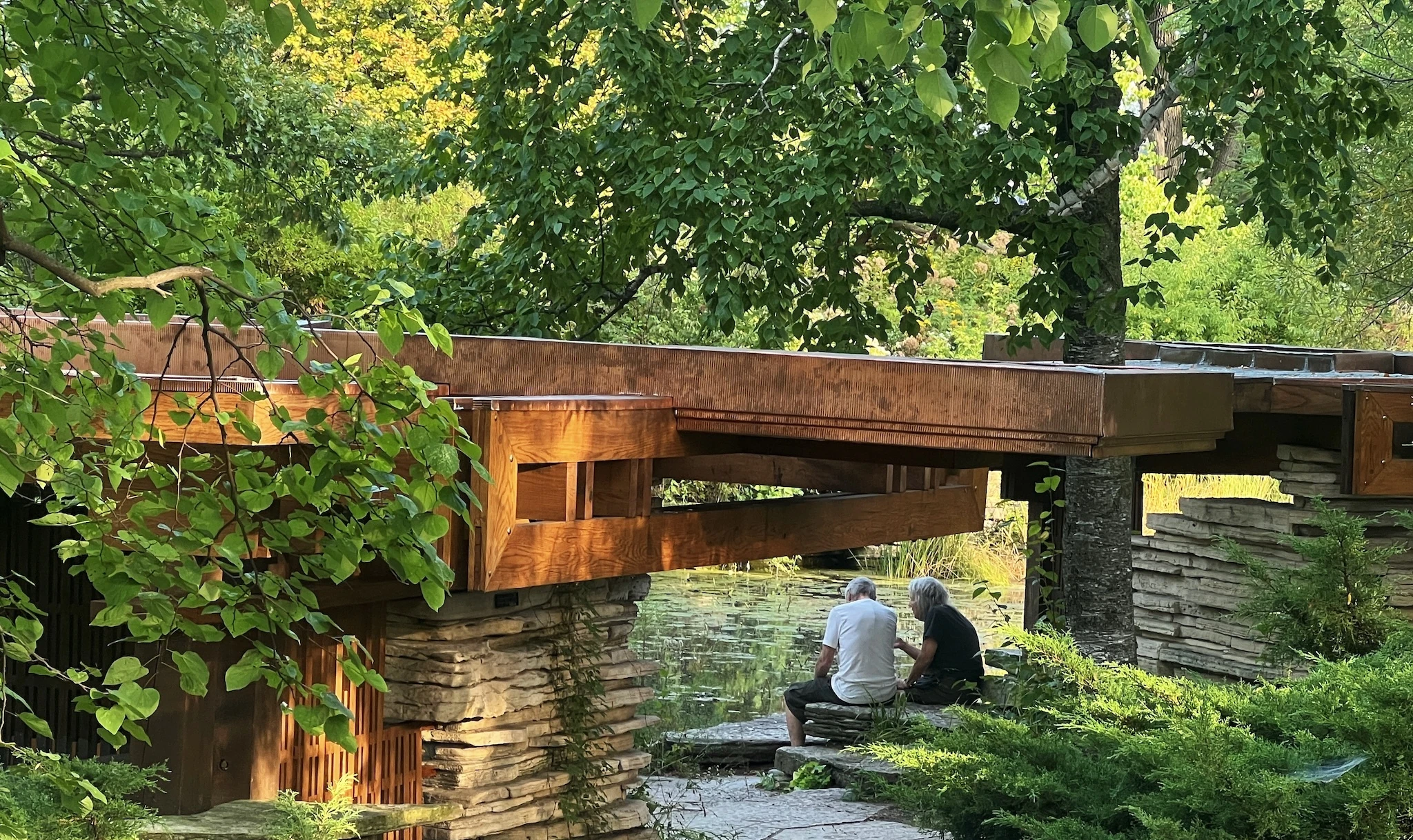
Named after its architect, this quiet refuge hidden in the middle of Lincoln Park was designed to resemble a river running through a prairie. According to the designation report, it is "generally considered his finest effort and one of the most important historic landscapes in the city." It also happens to be one of our favorite secret green spaces in Chicago.
Discover Time Out original video