[category]
[title]
Sir David Attenborough wasn’t exaggerating when he described the Horizontal Falls as one of the world’s “greatest natural wonders“


“So, what brings you here?” I’m asked as I step off a seaplane in the heart of the Buccaneer Archipelago. I’ve just flown from Cygnet Bay to Talbot Bay to witness what Sir David Attenborough famously dubbed “one of the greatest natural wonders of the world.” Accessible only by air or sea from Western Australia’s remote Kimberley region, it’s a bucket-list experience I simply couldn’t miss – especially after travelling across the continent from Sydney to Broome.
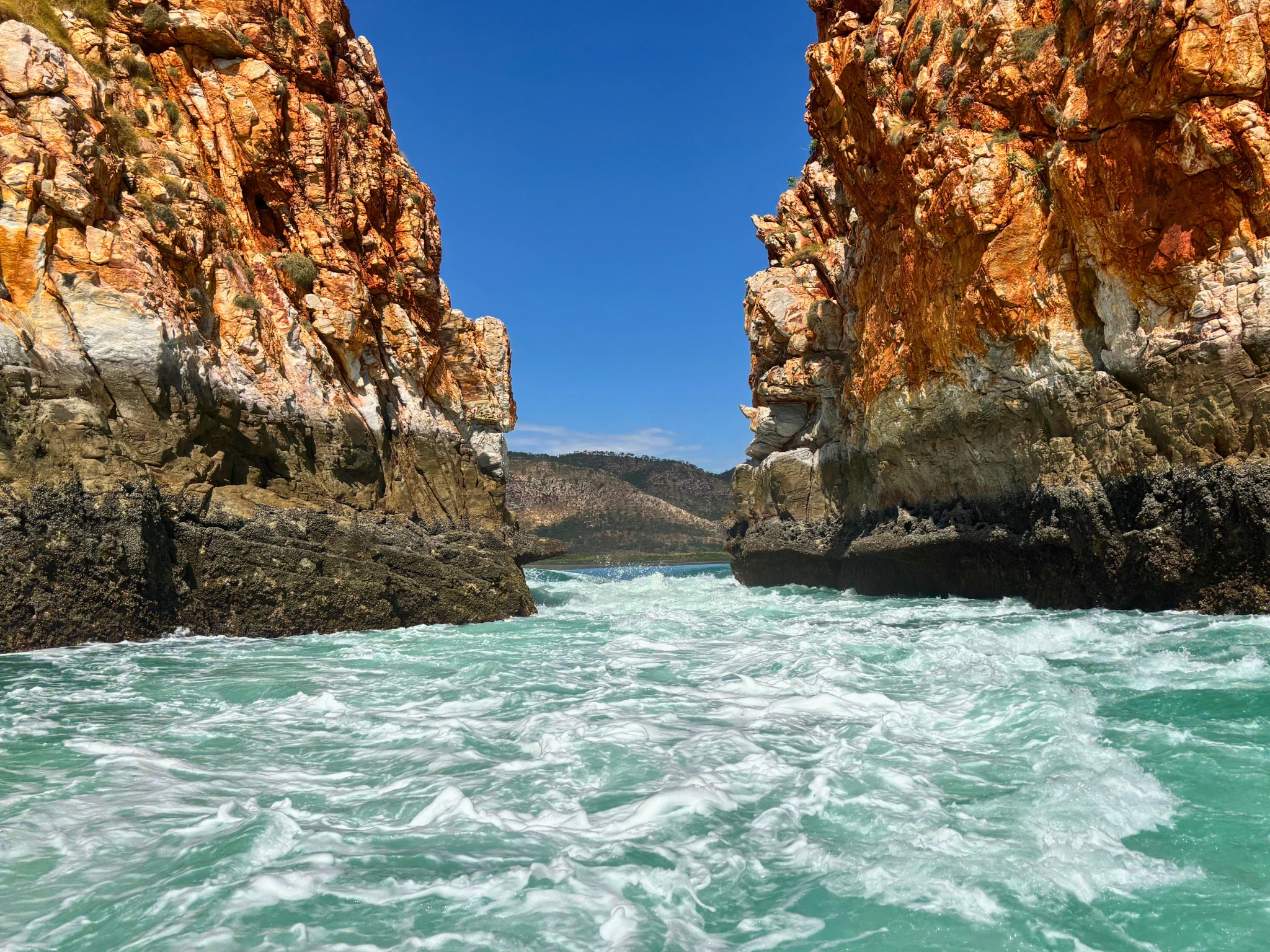
Tucked away in Talbot Bay along the wild Kimberley Coast, Horizontal Falls is one of Australia’s most breathtaking natural phenomena. The region is famous for having the largest tidal movements in the Southern Hemisphere, with high and low tides fluctuating by up to ten metres. This massive surge creates a secondary natural wonder: as billions of litres of water are forced through two narrow gorges faster than the water can drain, the fast-moving rapids create a sideways-waterfall effect. Hence, the name Horizontal Falls – or Garaan-ngaddim to the Dambimangari people who've cared for these waters for tens of thousands of years.
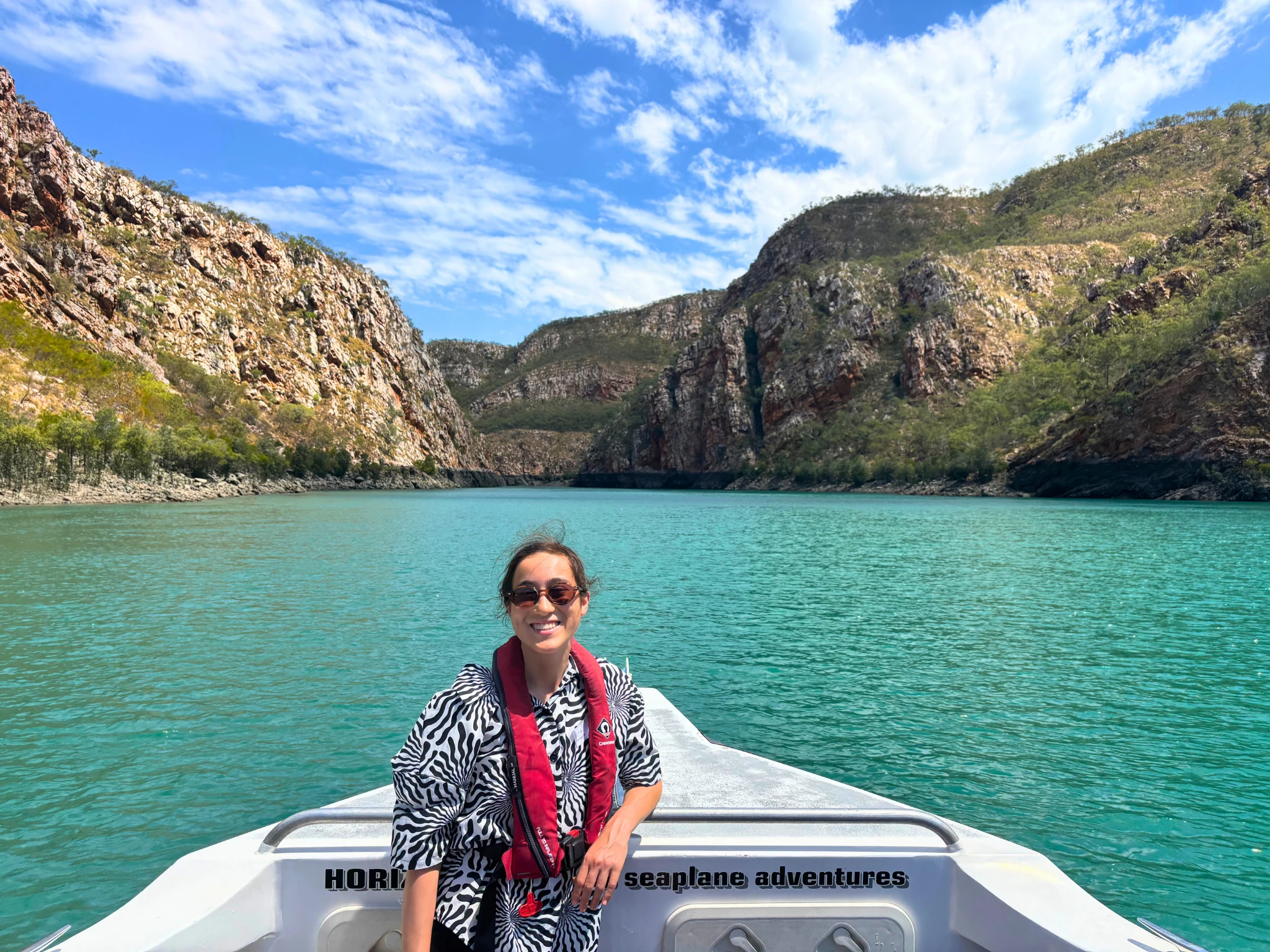
Given its remoteness, only a handful of operators run tours to these twin gorges. I joined a half-day expedition with the award-winning team from Horizontal Falls Seaplane Adventures, who fly out of Broome, Derby and Cygnet Bay.
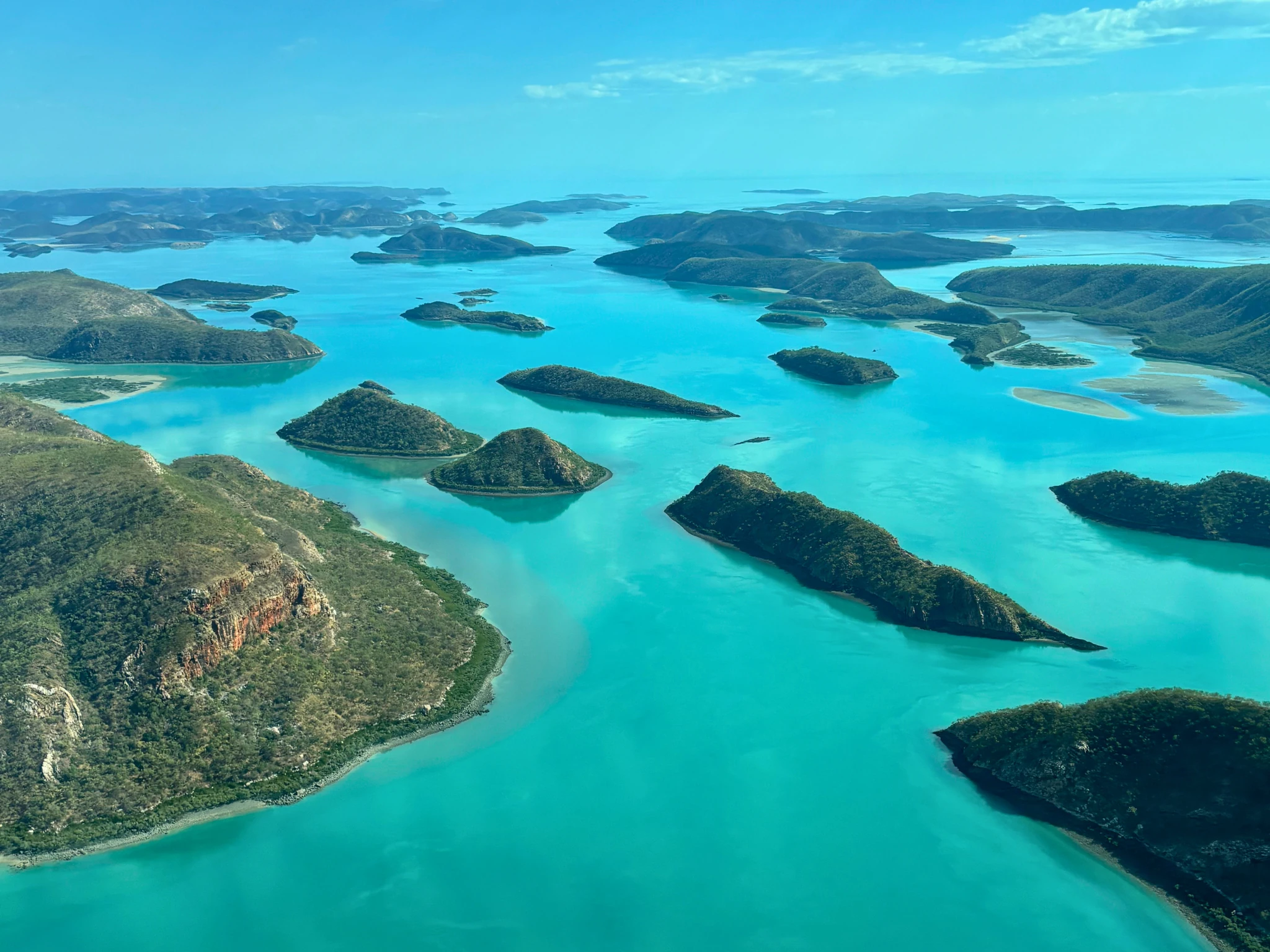
My adventure began with a scenic seaplane flight across the Buccaneer Archipelago, a breathtaking collection of 1,000 islands scattered off Western Australia’s northwest coast. The contrast from above was unbelievable – vibrant green landmasses and pale sandbanks float in a sea of turquoise. It’s easily one of the most memorable flights of my life, right up there with soaring over the Great Barrier Reef.
After touching down on a private floating pontoon, I was whisked away on my first of three water adventures. On my morning cruise, the surging tide gushed through the narrow rock gaps toward us, creating that mind-boggling sideways waterfall effect. The wider of the two gaps spans roughly 20 metres, meaning powerboats can actually ride through the torrent. The second gap is closer to ten metres wide, and while boats can no longer pass through it for safety and cultural reasons, admiring the rush from afar allowed me to appreciate the incredible contrast of the electric-blue water against the ancient red sandstone cliffs.
By the time my afternoon cruise rolled around, the tides had completely reversed, sending the falls roaring in the opposite direction. It was just as breathtaking as the first time, capped off by a low-flying flight over the falls en route back to Cygnet Bay.
My time at Horizontal Falls confirmed what Sir David Attenborough said all along: it really is one of the world’s greatest natural wonders. I recognise a trip here certainly isn’t within budget for everyone, but it still deserves a top spot on every Australian travel bucket list (in case you win the lottery or something).
Discover Time Out original video