[category]
[title]
While coral cover is increasing across the Reef, its recovery is far more complex


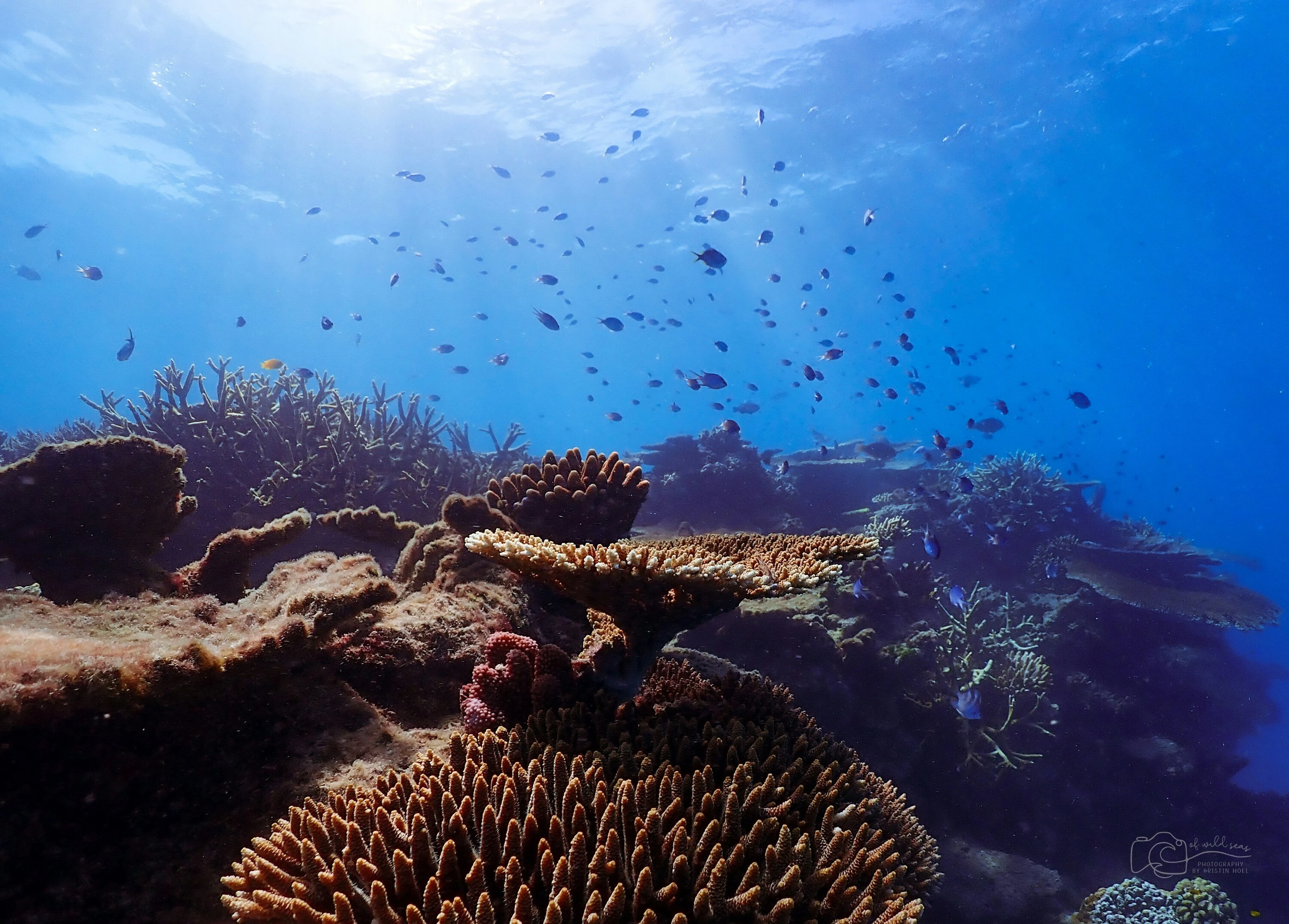
Recent reports about the Great Barrier Reef bouncing back have sparked hope worldwide. While a late-summer monsoon led to an increase in coral cover across the Reef, the reality beneath the surface is far more complex. The world’s largest living structure is indeed showing encouraging signs of regeneration – but its long-term survival depends entirely on curbing global greenhouse gas emissions alongside sustained marine conservation.
According to the Australian Institute of Marine Science’s (AIMS) annual report, a late-summer monsoon in 2026 gave the Great Barrier Reef a crucial reprieve from ongoing coral bleaching. The weather shift cooled sea surface temperatures, allowing corals to begin regenerating following recent climate-induced disturbances. While this proves the Reef has the capacity to recover, the ecosystem still faces increasing threats from more frequent and severe heat-stress events. This risk is heightened by the current El Niño weather pattern, which has triggered widespread severe coral bleaching events in the past.
Dr Bing Lin, an interdisciplinary conservation scientist and Postdoctoral Fellow at the University of Sydney’s Thriving Oceans Research Hub, said that while it’s encouraging to see pockets of the Reef rebounding after the latest bleaching event, that recovery needs to be considered in context.
“Marine heatwaves and mass bleaching events are becoming more frequent, which means that any recovery we see is occurring in an increasingly inhospitable environment,” Dr Lin explains. “So, yes, parts of the Reef are recovering, but they are doing so under pressure and with less and less time to do so before the next stressor strikes.”
Of the 121 reefs surveyed for AIMS’ 2026 report, 28 per cent saw an increase in coral cover, 56 per cent showed no change and only 16 per cent experienced a decline compared to last year.
While total coral cover is a helpful indicator of a reef’s condition, it’s only one piece of the puzzle when it comes to building a healthy, diverse ecosystem. As Dr Lin explains: “In the same way that having a closet full of different clothes might make you more sartorially adaptable than a closet filled with the same clothes, functional diversity in corals provides reefs with more tools to adapt to future disturbances, be it heat stress, cyclones or crown-of-thorns starfish.”
So, what does the future hold for the Great Barrier Reef?
Coral cover has been incredibly volatile over the past 15 years, with rapid gains often wiped out by sharp losses. Natural disasters like flooding and cyclones, compounded by mounting climate pressures, can cause sudden setbacks at any moment, threatening to send recovery efforts right back to square one.
According to Dr Lin, framing the Reef as unilaterally "dying" or "fine" misses the bigger picture. “Coral reefs are dynamic, spectacularly diverse ecosystems spanning hundreds of thousands of square kilometres and defying easy categorisation. This means that different reefs within the same reef system can be in drastically different states at the same time. They also have a remarkable capacity to resist and recover from individual disturbances, but that resilience has limits – the very same limits that we've been testing.”
When it comes to long-term preservation, Dr Lin advises that the biggest thing we can do to help coral reefs is to reduce greenhouse gas emissions as quickly and as much as possible. “That means reducing our own emissions but also pushing governments and industries to do the same. At the local level, scientists and reef managers are monitoring reefs, managing fishing, tourism, and invasive species, and testing in-water interventions to make reefs better able to resist and respond to change. These measures are critical to making a difference locally, but they are ultimately a complement to, not a substitute for, reducing greenhouse gas emissions.”
Discover Time Out original video